Did you know that over 98% of visitors to Kibale National Park have safe, memorable experiences when they follow proper malaria prevention protocols? I was initially terrified about malaria and safety Kibale National Park concerns before my first visit. After three trips to this incredible destination, I can tell you that understanding malaria and safety Kibale National Park requirements transforms anxiety into excitement! Your adventure in Uganda's premier primate destination doesn't have to be overshadowed by health worries when you're properly prepared.
Safety
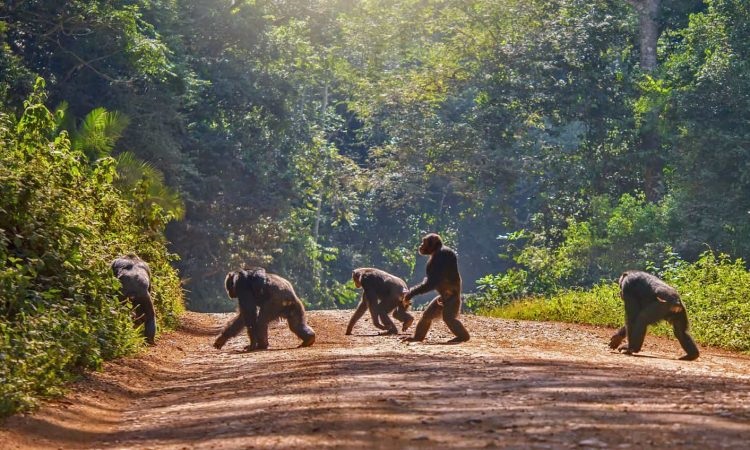
In my experience visiting multiple Ugandan parks, Kibale National Park ranks among the safest destinations for international travelers. Your professional guide takes responsibility for your safety throughout every activity, from forest walks to chimp encounters. The Park maintains excellent safety standards that rival any international nature reserve. When I first researched malaria and safety Kibale National Park protocols, I was impressed by the comprehensive safety measures in place. Current government travel advisories consistently rate Uganda as safe for tourists, though checking recent updates remains essential. The combination of well-trained staff and established safety procedures makes malaria and safety Kibale National Park concerns manageable for prepared visitors.
Malaria and Vaccinations
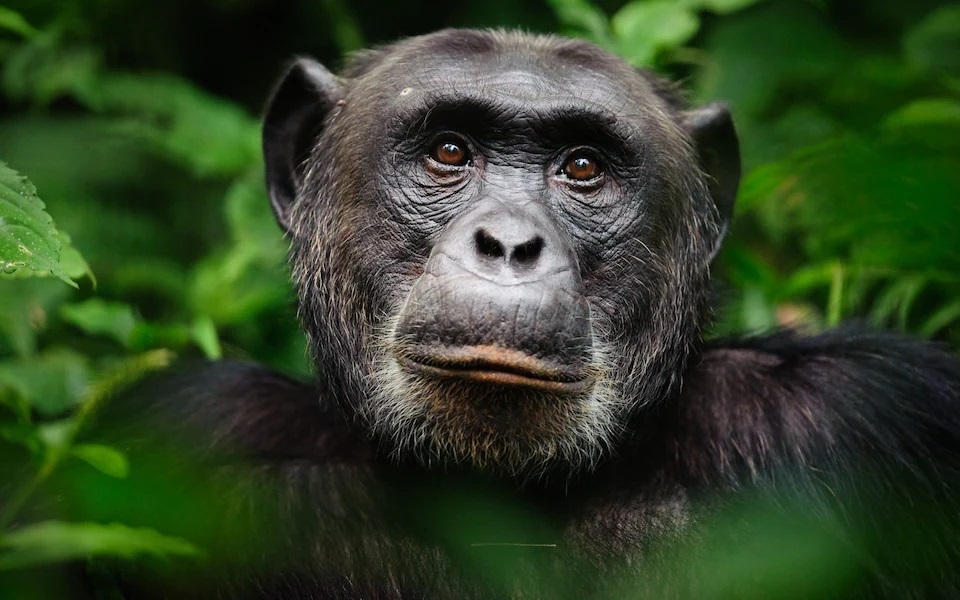
Malaria prevention stands as your most critical health priority when visiting Kibale National Park. I learned this lesson the hard way during my first East African trip when I underestimated mosquito-borne disease risks. Antimalarial medications should begin weeks before your departure, with timing depending on your chosen medication type. DEET-based repellents provide the most effective protection against malaria-carrying mosquitoes that become active during evening hours. Your local travel clinic can recommend specific vaccinations based on your medical history and planned activities. Taking malaria and safety Kibale National Park precautions seriously prevents serious illness and protects your entire travel investment.
Chimp Trekking Safety Precautions
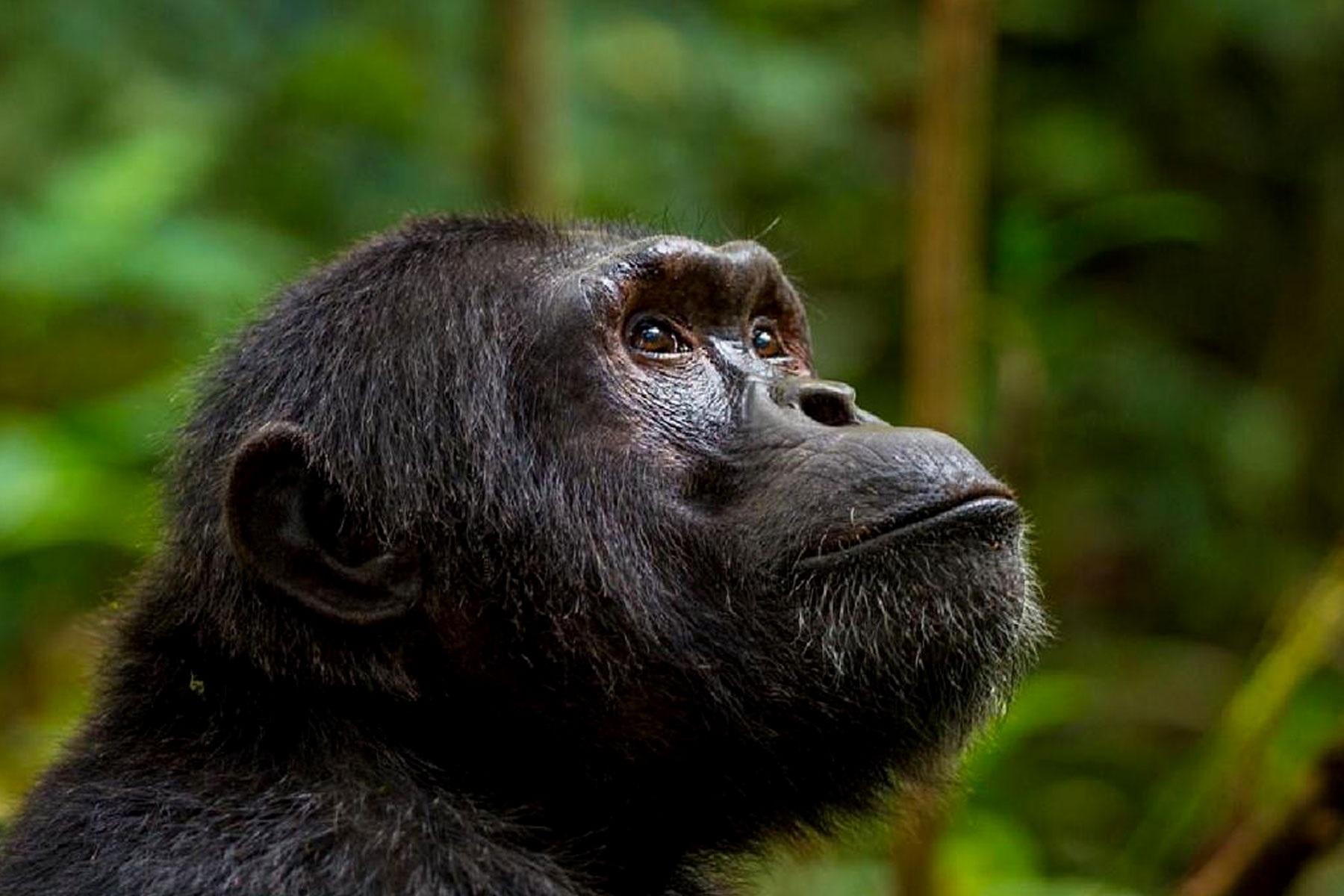
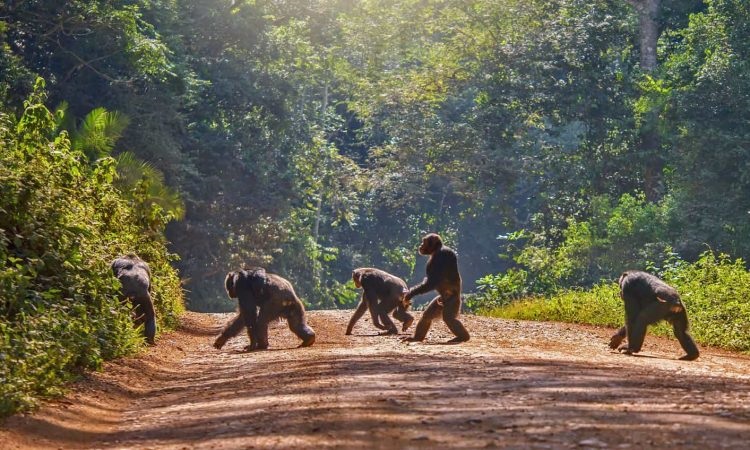
Chimp trekking represents one of Africa's safest wildlife experiences when you follow your guide's instructions carefully. The pre-trek safety briefing covers essential protocols including minimum distances from chimps and appropriate behavior during encounters. I was amazed by how relaxed the habituated chimp communities appear, though maintaining respect for these wild animals remains paramount. Your guide carries communication equipment and first aid supplies during every trek through the forest. Forest paths are well-maintained, though sturdy hiking boots provide essential ankle support on uneven terrain. Understanding malaria and safety Kibale National Park guidelines for chimp trekking ensures both your safety and the chimps' wellbeing.
How to Get to Kibale National Park
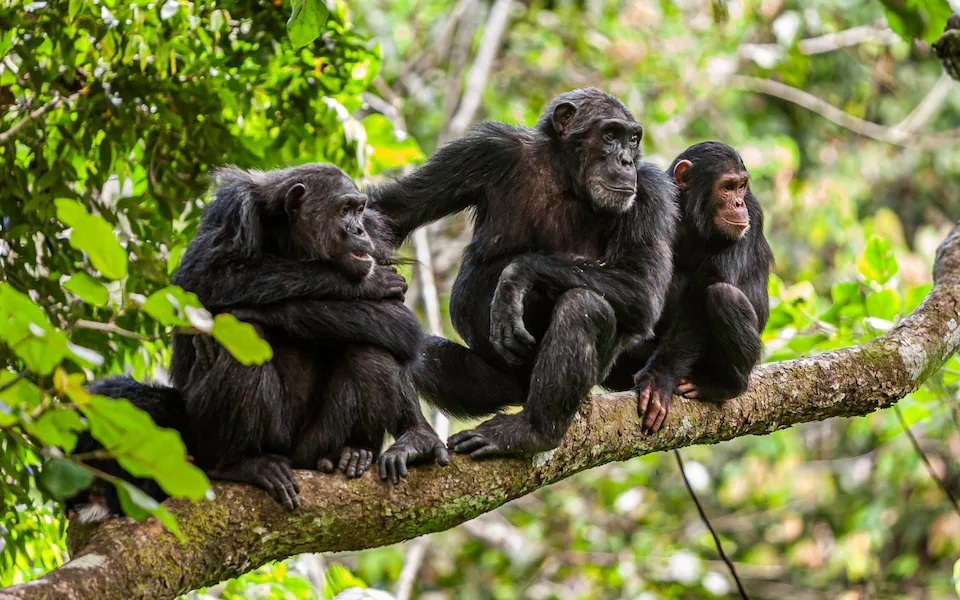
Kibale National Park sits approximately 350 kilometers from Kampala, requiring a scenic 5-6 hour drive through Uganda's beautiful countryside. Most visitors arrange private transportation or join organized tours that include pickup from Kampala or Entebbe Airport. The main access road has been recently improved, though some sections remain unpaved and can become challenging during heavy rains. I recommend departing early morning to arrive with plenty of daylight for settling in and orientation. Malaria and safety Kibale National Park preparations should include confirming your transportation provider carries first aid supplies and emergency communication equipment. Flight connections through Kasese Airstrip offer faster access for visitors with limited time, though road travel provides better cultural immersion.
Kibale National Park and Surrounds
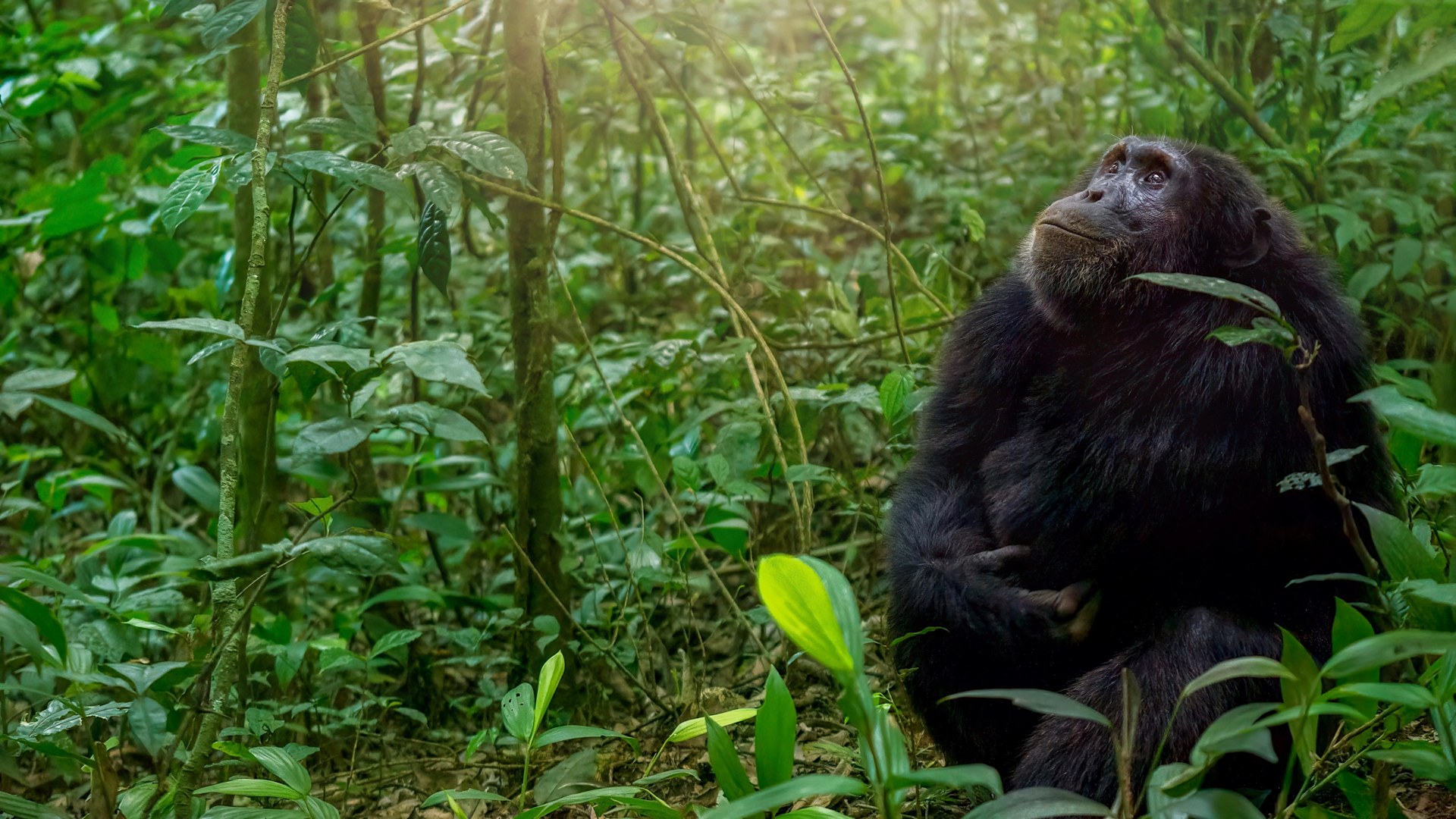
This UNESCO World Heritage site protects 795 square kilometers of tropical rainforest that supports Uganda's highest primate diversity. The park borders several local communities where cultural tourism initiatives provide authentic interactions with local people. Bigodi Wetland Sanctuary, located just outside the park, offers exceptional birding opportunities with over 200 recorded species. During my visits, I've been consistently impressed by how local communities participate in conservation efforts while benefiting from sustainable tourism. The surrounding tea plantations create stunning landscapes that contrast beautifully with dense forest canopies. Malaria and safety Kibale National Park considerations extend to these surrounding areas, where the same health precautions apply during community visits and wetland walks.
What to See and Do in Kibale National Park
- Chimp Trekking: Two daily departures at 8 AM and 2 PM offer chances to observe habituated chimpanzee communities in their natural habitat
- Chimp Habituation Experience: Full-day programs provide extended time with researchers studying chimp behavior and social structures
- Forest Walks: Guided nature walks reveal the park's incredible biodiversity including 13 primate species and 375 bird species
- Night Walks: Evening excursions target nocturnal creatures like pottos, bush babies, and various owl species
- Bigodi Wetland Sanctuary: Community-managed reserve offers excellent birding and supports local conservation initiatives
The morning chimp trek tends to be busier with multiple groups sometimes converging on the same chimp community. I personally prefer afternoon treks for smaller crowds and different primate behaviors as chimps prepare for evening rest.
Where to Stay in Kibale National Park
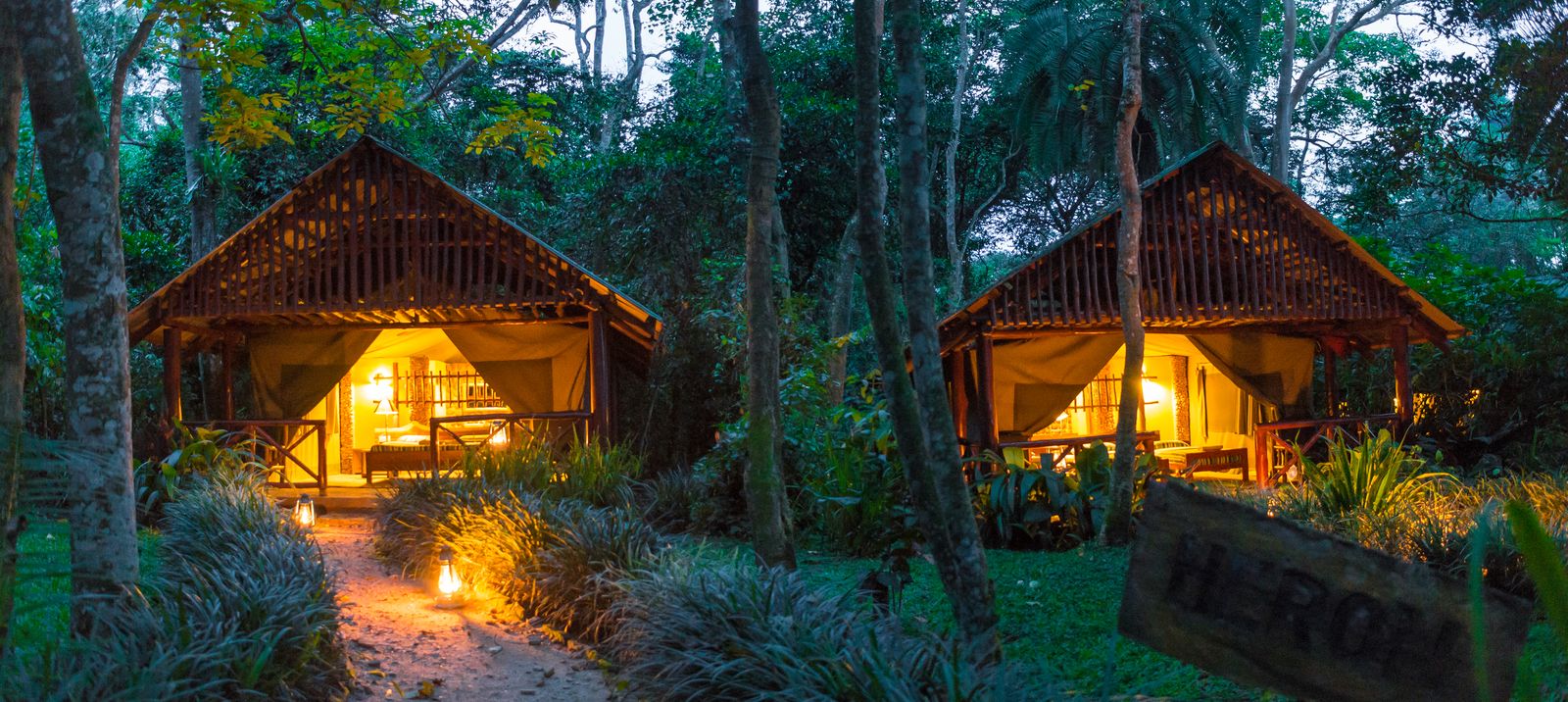
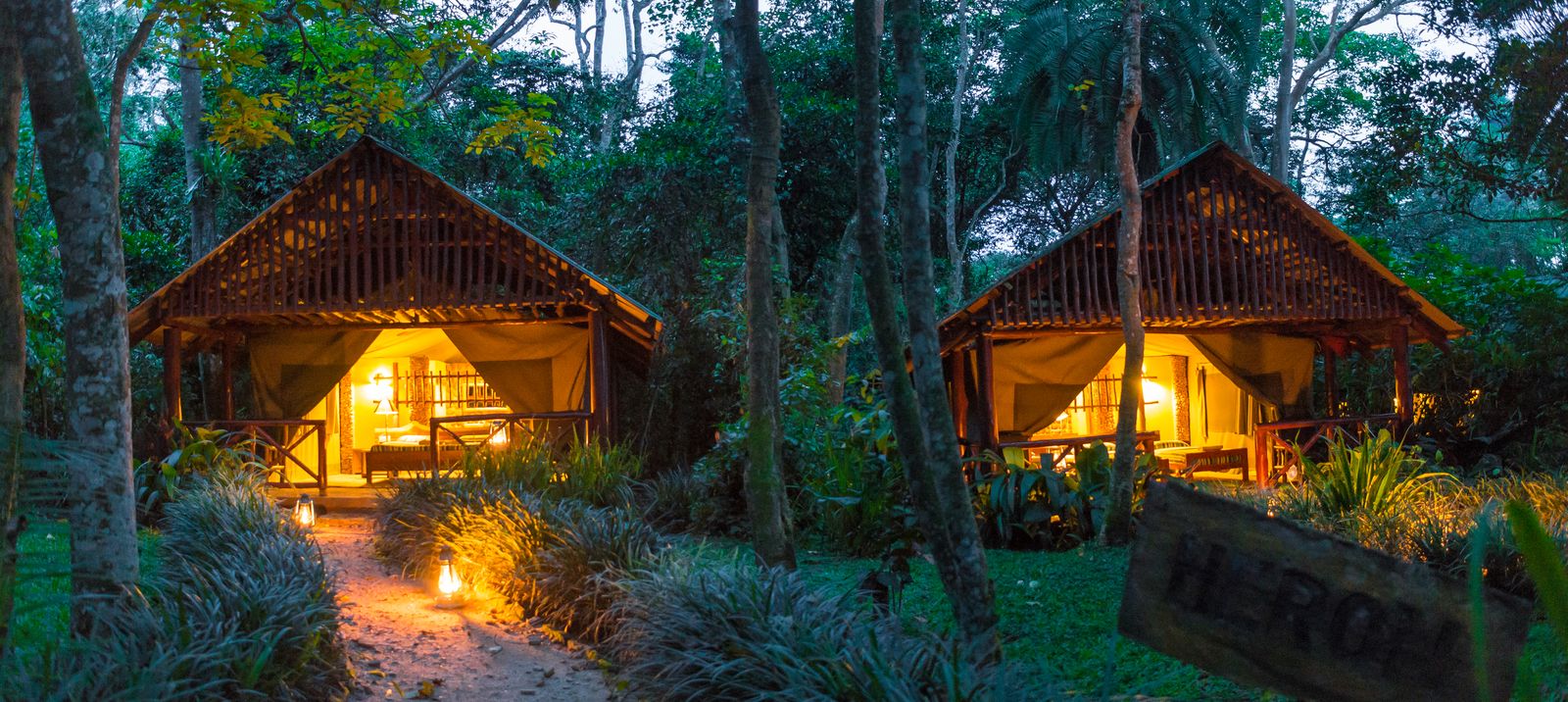
Luxury Options: Primate Lodge and Kyaninga Lodge offer premium accommodations with excellent malaria and safety Kibale National Park protocols including treated bed nets and on-site medical support.
Midrange Choices: Chimpundu Lodge and Rweteera Safari Park provide comfortable rooms with mosquito netting and malaria prevention amenities at reasonable prices.
Budget Accommodations: Kibale Forest Camp and several guesthouses in Fort Portal town offer basic but clean rooms with essential malaria protection measures.
Shoestring Lodging: Local bandas and community homestays provide authentic experiences though requiring extra attention to malaria and safety Kibale National Park precautions.
Most accommodations provide treated mosquito nets, though I always travel with my own permethrin-treated net for complete peace of mind.
Where to Eat and Drink in Kibale National Park
Fort Portal town offers the widest dining selection including Indian restaurants, local Ugandan cuisine, and international options at places like Dutchess Restaurant. Most lodges provide all meals as part of package deals, ensuring food safety standards that reduce illness risks. I always stick to bottled or properly treated water throughout my stays to avoid waterborne illnesses. Local markets offer fresh fruits and vegetables, though proper washing becomes essential for malaria and safety Kibale National Park health protocols. Street food requires extra caution, particularly for travelers with sensitive stomachs who need to maintain peak health for forest activities.
Booking a Chimp Tour to Kibale National Park with Gorilla Pathfinders
Advance booking through reputable operators like Gorilla Pathfinders ensures proper malaria and safety Kibale National Park preparations are included in your package. Experienced operators provide detailed health briefings, medication advice, and emergency protocols before departure. I recommend booking at least 3-4 months ahead during peak seasons (June-August and December-January) when permits sell quickly. Your tour operator should include malaria prevention advice, safety equipment, and emergency evacuation insurance in comprehensive packages. Quality operators maintain relationships with local medical facilities and can arrange immediate assistance if health issues arise during your visit.
Planning your Kibale National Park adventure requires careful attention to health and safety protocols, but don't let malaria and safety Kibale National Park concerns prevent you from experiencing one of Africa's most remarkable wildlife destinations. With proper preparation including antimalarial medications, quality repellents, and choosing experienced tour operators, your chimp trekking adventure will create memories lasting a lifetime. The incredible experience of observing our closest relatives in their natural habitat far outweighs the manageable health risks when you take appropriate precautions and follow expert guidance throughout your journey.