Doli LodgeLodge Overview & Vibe
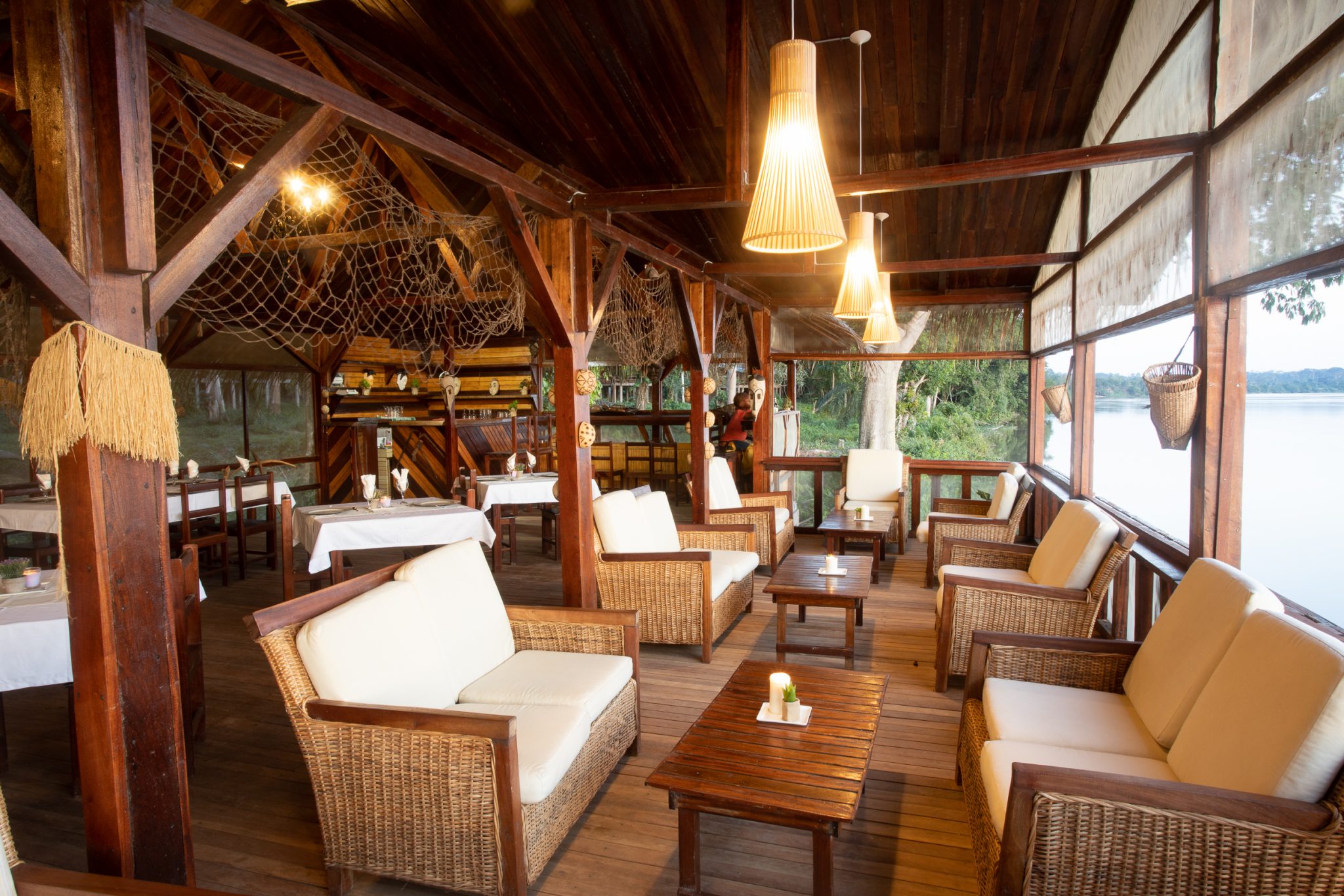
Doli Lodge offers one of the most comfortable and accessible stays near Dzanga-Sangha. Perched on the banks of the Sangha River, its vibe is tranquil and serene, focusing on providing a peaceful retreat after a day of jungle adventure. The sound of the river and the forest canopy create a classic rainforest lodge experience with an emphasis on comfort, making it ideal for travelers who appreciate nature but also want reliable amenities.
Types of Rooms & Pricing
The lodge features private wooden bungalows elevated on stilts, each featuring a private en-suite bathroom, a veranda with river views, and essential comforts like mosquito nets and fans. Pricing is typically full-board, including meals and often bundled with guided activities and river transfers. Rates are generally in the mid to upper range for the region (e.g., $100 - $180 per person per night), so it's best to inquire directly for exact packages.
Amenities & Services
On-site Restaurant & Bar: Serves a mix of local and international cuisine with a beautiful riverfront view.
River Access: Offers boat transfers and potential river activities directly from the lodge.
Reliable Power: Typically has generator or solar power available during key hours for charging electronics.
Guided Tours: The lodge can arrange and book guides for park activities like gorilla tracking and visiting the Bai.
Dining Experience
Meals are served in the central lodge building. The dining experience is social yet relaxed, often featuring freshly caught fish from the Sangha River, along with rice, plantains, and other local staples. It's a great place to share stories with other guests about the day's sightings.
How to Book & Important Tips
Booking: It is recommended to book Doli Lodge through a specialized tour operator that handles travel to the Central African Republic. This simplifies logistics, visas, and transfers.
Tips: Request a bungalow with a direct river view for the best experience. Bring binoculars for bird watching right from your porch. As the lodge is more established, it can be a good choice for those less comfortable with extremely rustic conditions.
Sangha Lodge
Lodge Overview & Vibe
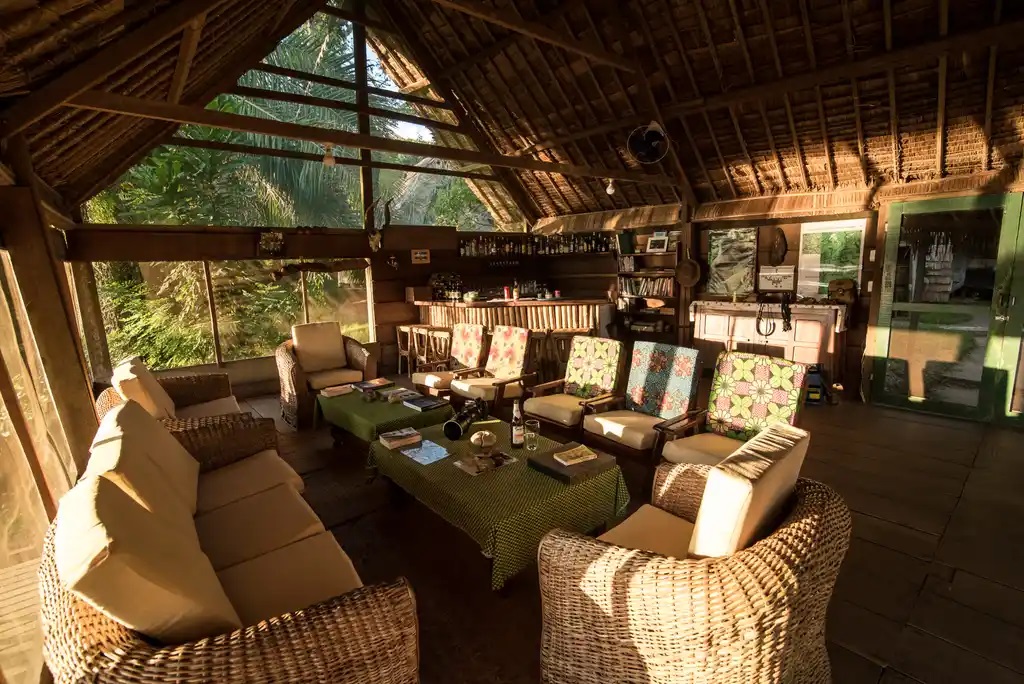
Sangha Lodge is not just a place to stay; it's an experience deeply woven into the fabric of conservation and community in Dzanga-Sangha. Founded by a renowned conservationist, the vibe is rustic, authentic, and incredibly homey. It feels like staying at a remote field camp run by passionate experts, making it perfect for adventurous spirits, wildlife enthusiasts, and those who want to learn deeply about the region's ecology and conservation efforts.
Types of Rooms & Pricing
The accommodation consists of simple but comfortable en-suite bungalows built from local materials, nestled in the forest. The focus is on sustainability and immersion in nature rather than luxury. Like most lodges here, pricing is full-board and typically includes guided activities, making it excellent value. Prices are often comparable to Doli Lodge but reflect a more holistic, project-supported experience.
Amenities & Services
Communal Lodge Area: The heart of the lodge is a welcoming central space with a library, maps, and areas to relax.
Conservation Focus: Direct connection to local research and conservation projects; guests often learn directly from researchers.
Limited Power: Relies on solar power, meaning electricity is available for limited hours each evening for charging.
Expert Guidance: Known for its team of expert local trackers and guides with unparalleled knowledge of the forest.
Dining Experience
Dining is a family-style affair, with guests and hosts often eating together. The food is hearty and delicious, focusing on locally sourced ingredients. The atmosphere around the dinner table is one of sharing and learning, with conversations inevitably turning to wildlife, conservation stories, and the day's adventures.
How to Book & Important Tips
Booking: Can often be booked directly via email or through conservation-focused travel operators. Due to its small size and reputation, advance booking is essential.
Tips: This is the ideal choice for those who value knowledge and authenticity over luxury. Come prepared with a power bank for cameras, a good headlamp, and an eagerness to engage with the lodge's conservation mission. The insights you gain here are unparalleled.
Best Time to Visit Dzanga-Sangha National Park
The best time to visit Dzanga-Sangha National Park occurs during the dry season from December through February, when weather conditions create perfect opportunities for wildlife viewing and forest exploration. During these months, rainfall drops dramatically while temperatures remain comfortable, ranging from 22-28°C, making outdoor activities enjoyable throughout the day. The reduced precipitation means forest paths stay accessible, rivers remain crossable, and wildlife congregates around permanent water sources like Dzanga Bai where elephant viewing reaches its peak.
The dry season offers the best time to visit Dzanga-Sangha National Park because animals become more predictable in their movements and easier to track through the forest. Forest elephants gather in large numbers at mineral-rich clearings, gorillas remain active during longer daylight hours, and bird activity peaks as many species begin their breeding cycles. The clear weather also provides excellent conditions for photography with bright lighting and minimal rain interference that can ruin expensive camera equipment.
March through May represents a transitional period when the best time to visit Dzanga-Sangha National Park begins shifting toward more challenging conditions. Light rains start increasing while humidity rises, making hiking more strenuous and wildlife viewing less predictable. The wet season from June to November brings heavy rainfall that can make forest trails impassable and significantly reduce wildlife encounter opportunities, though dedicated visitors might still experience magical moments between downpours.
How to Get There and Away from Dzanga-Sangha National Park
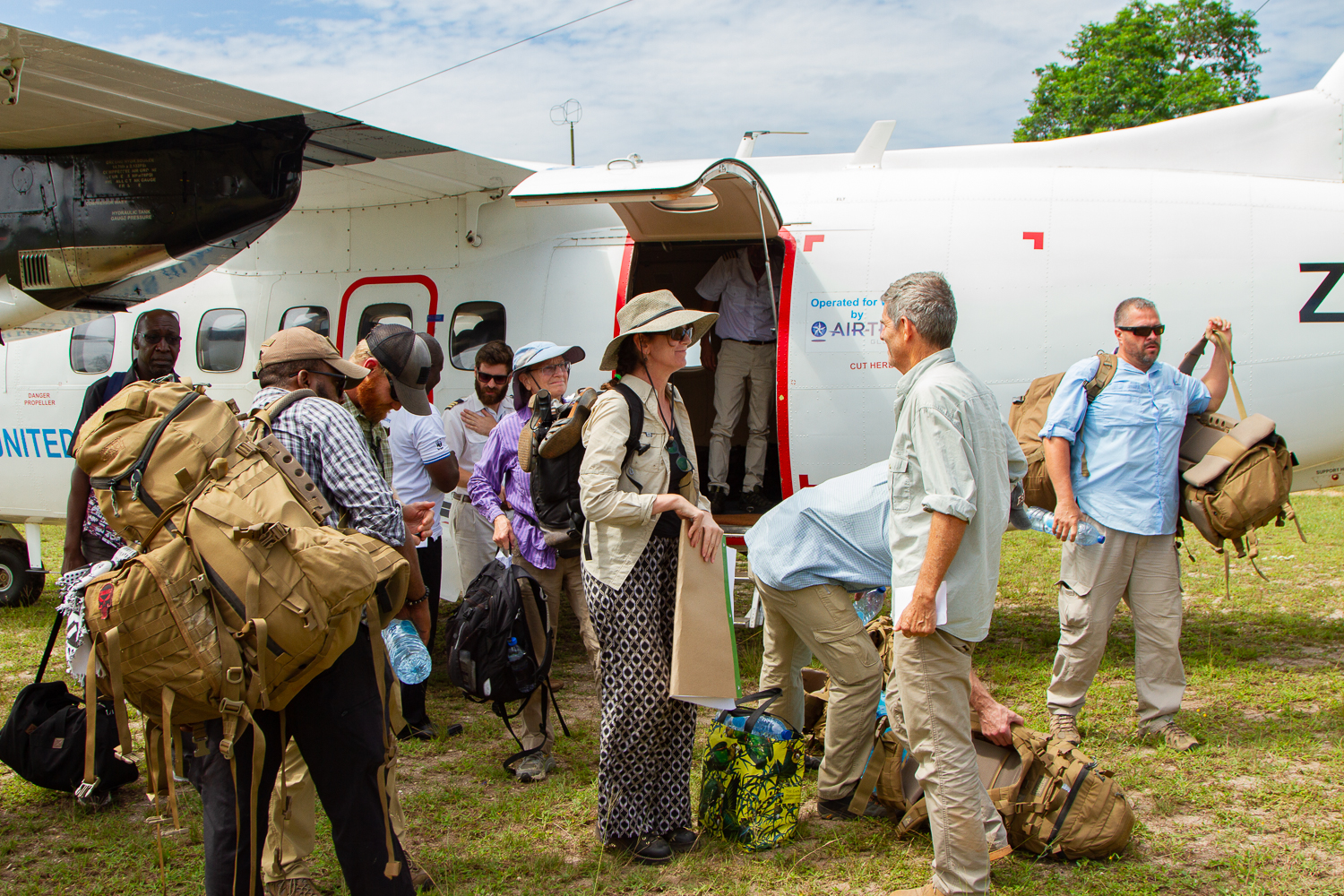
Reaching Dzanga-Sangha requires careful planning since places to stay in Dzanga-Sangha National Park are accessible only through specific transportation routes. International travelers typically fly into Bangui, the Central African Republic's capital, then take a charter flight to Bayanga airstrip near the park. The flight takes approximately 90 minutes over dense rainforest canopy that stretches endlessly below. Charter flights operate on irregular schedules and require advance booking through your chosen lodge or tour operator.
Overland travel from Bangui involves a challenging 600-kilometer journey on rough roads that become impassable during rainy season. The drive takes 12-15 hours in good conditions but can extend to multiple days during wet weather. Most places to stay in Dzanga-Sangha National Park recommend charter flights for international visitors due to road conditions and safety concerns. Local operators coordinate transportation logistics as part of comprehensive tour packages.
River transport along the Sangha River provides another access option, particularly for visitors arriving from Cameroon. Traditional dugout canoes and motorized boats navigate between border crossings and lodge locations. The river journey offers wildlife viewing opportunities and cultural encounters with fishing communities. Most places to stay in Dzanga-Sangha National Park can arrange river transfers from designated pickup points along the Sangha River system.
Dzanga-Sangha National Park and Surrounds
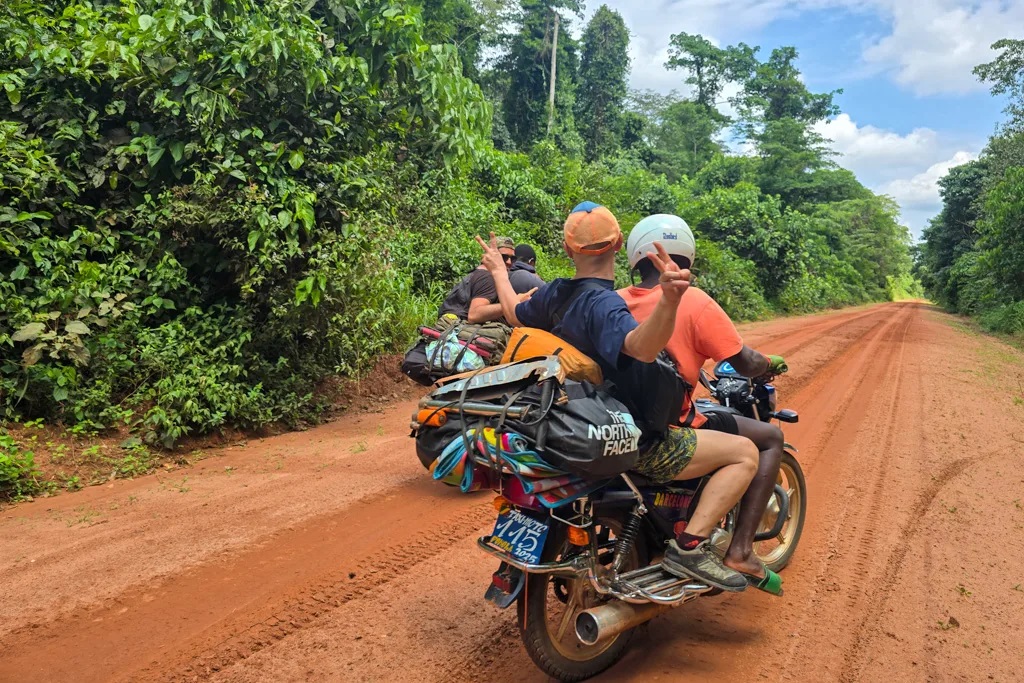
The park encompasses 4,589 square kilometers of pristine rainforest that supports incredible biodiversity and provides locations for places to stay in Dzanga-Sangha National Park. Three protected areas form the Sangha Trinational complex shared between Central African Republic, Cameroon, and Republic of Congo. This transboundary conservation area protects one of Africa's largest intact forest blocks and creates a massive wildlife corridor for migrating species.
BaAka pygmy communities have lived sustainably in these forests for thousands of years, maintaining traditional lifestyles while serving as expert guides for visitors staying at places to stay in Dzanga-Sangha National Park. Their traditional ecological knowledge proves invaluable for wildlife tracking and forest navigation. Several communities offer cultural experiences including traditional hunting demonstrations, medicinal plant walks, and storytelling sessions around campfires.
The Sangha River forms a natural boundary between countries while providing water access and transportation corridors that connect places to stay in Dzanga-Sangha National Park. River ecosystems support diverse fish populations, aquatic mammals, and countless bird species. Seasonal flooding creates temporary wetlands that attract migratory species and provide breeding grounds for amphibians. The river's importance extends beyond wildlife as it serves as the primary transportation route for supplies and visitors accessing remote lodge locations.
What to See and Do in Dzanga-Sangha National Park
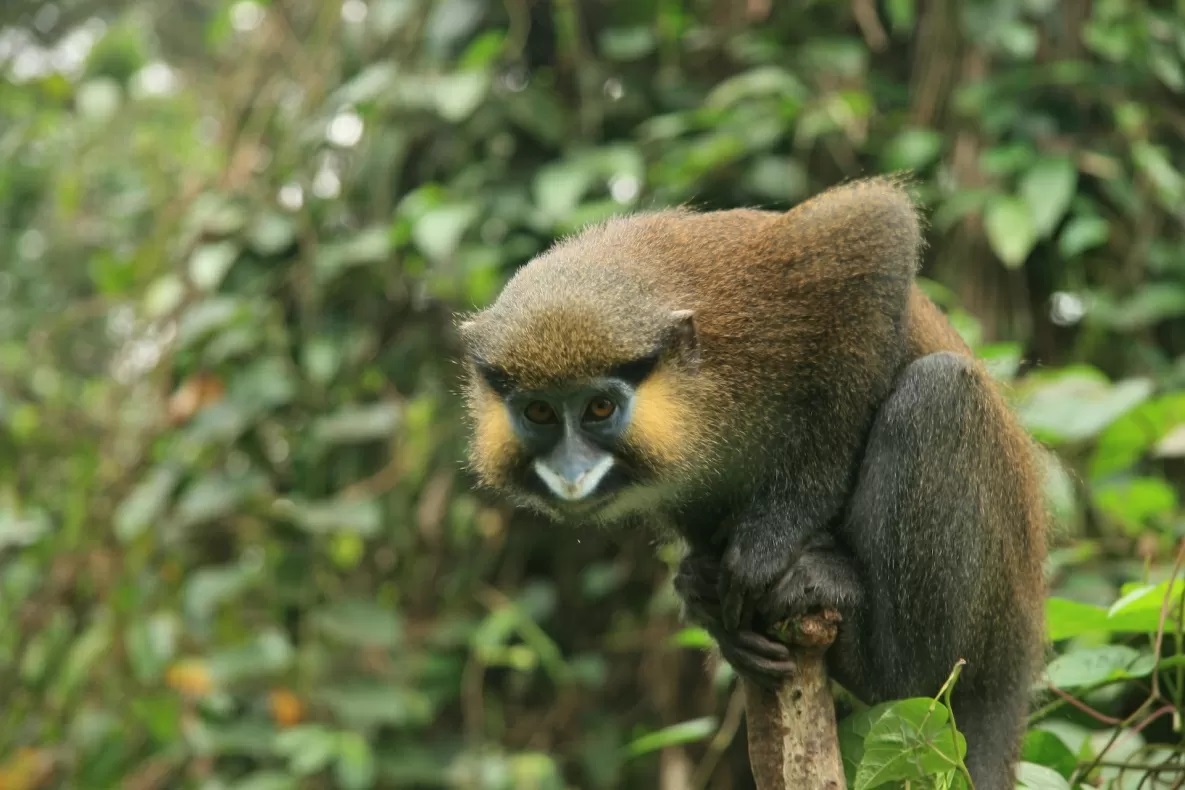
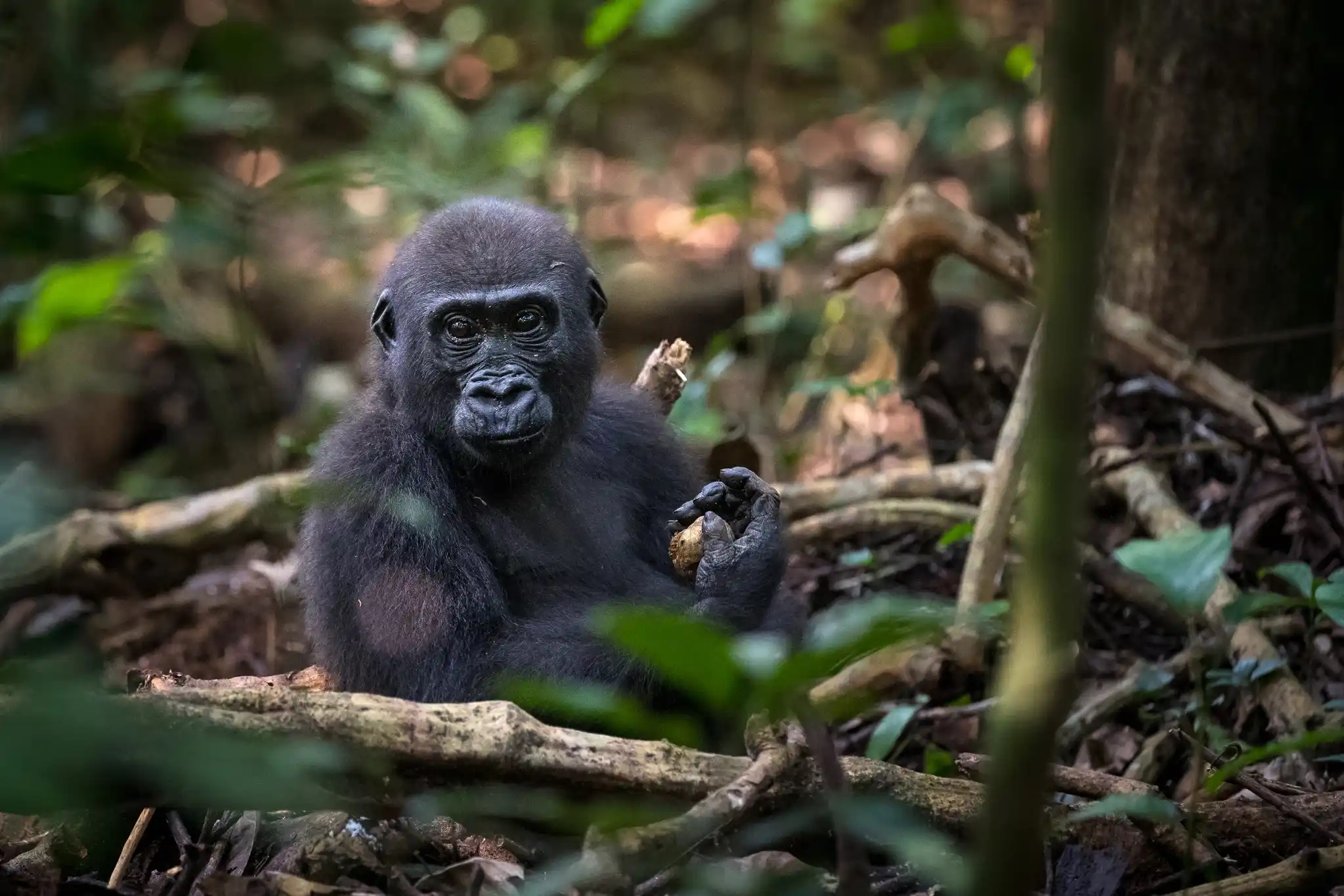
Gorilla tracking ranks as the premier activity for guests at places to stay in Dzanga-Sangha National Park, offering encounters with western lowland gorillas in their natural habitat. Three habituated gorilla families live within tracking range of the main lodges, each led by dominant silverbacks who display remarkable tolerance for human observers. Tracking expeditions begin early morning with BaAka guides who possess unmatched skills for locating gorillas through forest signs and sounds.
Dzanga Bai attracts hundreds of forest elephants to a natural clearing where they gather to drink mineral-rich water and socialize with other herds. This elephant watching experience from hidden platforms provides unparalleled wildlife photography opportunities for visitors staying at places to stay in Dzanga-Sangha National Park. The clearing becomes particularly active during afternoon hours when elephant families emerge from dense forest to interact in the open space.
Forest walks with BaAka guides reveal incredible biodiversity including 12 primate species, over 350 bird species, and countless insects and plants used for traditional medicines. Night walks uncover nocturnal wildlife including bushbabies, genets, and various owl species. Butterfly watching produces spectacular results with over 800 recorded species including endemic varieties. Most places to stay in Dzanga-Sangha National Park organize comprehensive activity packages that include multiple wildlife experiences and cultural encounters.
Booking a tour to Dzanga-Sangha National Park with Gorilla Pathfinders
Gorilla Pathfinders specializes in solving the complex puzzle of How to get to Dzanga-Sangha National Park through comprehensive tour packages that handle every logistical detail. Their experienced team arranges transportation, accommodation, permits, and guides while providing expert knowledge about the best routes and timing for visits. Working with Gorilla Pathfinders eliminates the stress of independently figuring out How to get to Dzanga-Sangha National Park while ensuring access to the best wildlife viewing opportunities.
The company's tour packages typically include multi-day itineraries that maximize wildlife encounters while providing comfortable accommodation and expert guiding throughout the journey. Gorilla Pathfinders handles the complex permit requirements and advance bookings necessary for anyone learning How to get to Dzanga-Sangha National Park, while their local partnerships ensure smooth operations even when unexpected challenges arise. Their guides possess intimate knowledge of gorilla families, elephant behavior, and optimal viewing conditions.
Booking with Gorilla Pathfinders provides peace of mind for travelers concerned about the complexities of How to get to Dzanga-Sangha National Park independently. Their packages often combine multiple Central African destinations, allowing visitors to experience several gorilla populations and diverse ecosystems in a single trip. The company's reputation for reliable service and safety makes them an excellent choice for first-time visitors trying to understand How to get to Dzanga-Sangha National Park while ensuring memorable wildlife encounters.