The best time to visit Gishwati-Mukura National Park is during the dry season from June to September when hiking conditions are at their peak.
The best time to visit Gishwati-Mukura National Park is during the dry season from June to September when hiking conditions are at their peak. During these months, the trails are less muddy and slippery, making forest walks more enjoyable and safer for visitors. The best time to visit Gishwati-Mukura National Park offers plenty of sunshine despite the possibility of occasional rainfall throughout the year.
June through August represents the prime window for the best time to visit Gishwati-Mukura National Park because wildlife viewing becomes more predictable. The semi-habituated chimpanzees and golden monkeys tend to be more active during clearer weather conditions. You'll find that photography opportunities are enhanced when natural light filters through the forest canopy without constant rain interference.
The dry season also coincides with the best time to visit Gishwati-Mukura National Park for bird watching enthusiasts. Many Albertine Rift endemic species are more vocal and visible during these months. The reduced rainfall means less disruption to guided forest walks, allowing you to spend more quality time observing the park's rich birdlife and primate populations.
How to Get to Gishwati-Mukura National Park
Getting to Gishwati-Mukura National Park starts with flying into Kigali International Airport, located on the outskirts of Rwanda's capital city. The best time to visit Gishwati-Mukura National Park often influences flight bookings, with dry season months seeing higher demand and prices. Your journey from Kigali involves a scenic 4-hour drive covering 170 kilometers on well-maintained surfaced roads.
The final kilometer to reach the park requires a 4x4 vehicle, which is why the best time to visit Gishwati-Mukura National Park during dry months makes practical sense. Wet season travel can make this last stretch particularly challenging and potentially impassable. Most visitors arrange their trip as part of a guided tour with a driver who knows the terrain well.
Alternative routes include driving from Gisenyi (35 kilometers, 1 hour) or Ruhengeri (70 kilometers, 2 hours), making it easy to combine with other Rwanda attractions. The best time to visit Gishwati-Mukura National Park allows for smoother connections between destinations. Rwanda enforces a 60 km/h speed limit nationwide, so factor this into your travel calculations when planning your itinerary.
Gishwati-Mukura National Park and Surrounds
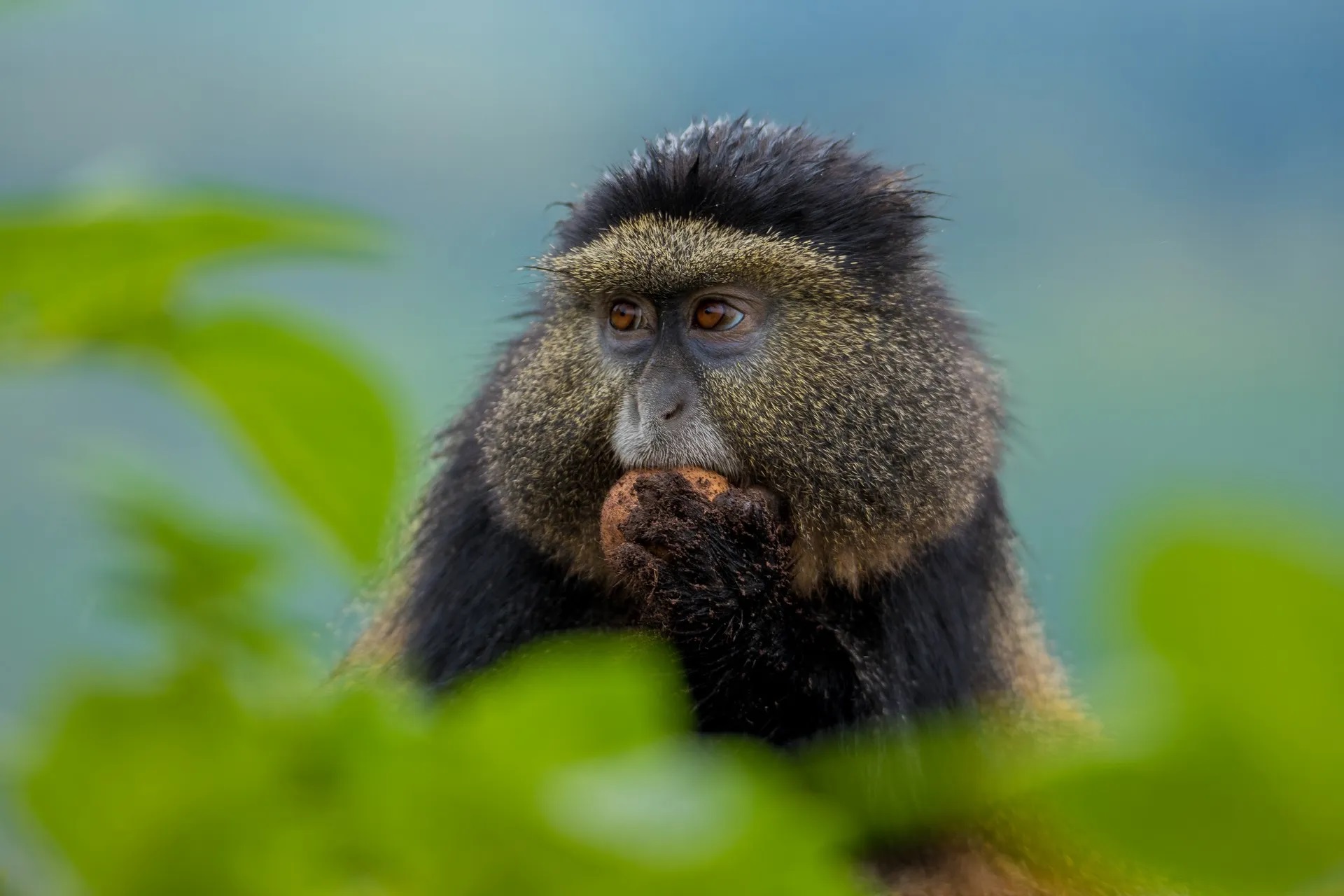
Gishwati-Mukura National Park consists of two separate forest fragments that showcase Rwanda's commitment to conservation and reforestation efforts. The best time to visit Gishwati-Mukura National Park reveals the stark contrast between the recovering Gishwati sector and the pristine Mukura forest. These forests represent different stages of ecological restoration following decades of deforestation and conflict.
The surrounding landscape tells a powerful story of environmental recovery and community involvement in conservation initiatives. When considering the best time to visit Gishwati-Mukura National Park, you'll witness local communities actively participating in forest protection and eco-tourism development. The park's location in Rwanda's Western Province provides easy access to other attractions like Nyungwe Forest and Lake Kivu.
Rural communities around the park have embraced sustainable tourism as an alternative livelihood, making any time you choose as the best time to visit Gishwati-Mukura National Park meaningful for local economic development. The cultural interactions with nearby villages add depth to your forest experience, showing how conservation and community development work hand in hand.
What to See and Do in Gishwati-Mukura National Park
Guided forest walks through the Gishwati sector represent the primary activity, and the best time to visit Gishwati-Mukura National Park maximizes your chances of memorable wildlife encounters. These walks offer opportunities to observe semi-habituated chimpanzees, golden monkeys, and l'Hoest's monkeys in their natural habitat. The forest ecosystem supports over 200 tree species and numerous medicinal plants used by local communities.
Bird watching ranks as another premier activity, with the best time to visit Gishwati-Mukura National Park coinciding with peak bird activity periods during dry months. The park hosts several Albertine Rift endemic species that serious birders travel thousands of miles to see. You'll need to stay at the community-owned guesthouse to access guided activities in the Gishwati sector.
The Mukura sector currently offers no organized activities but attracts serious bird watchers who rate it highly for forest bird species. The best time to visit Gishwati-Mukura National Park allows independent exploration of this sector for experienced nature enthusiasts. Photography workshops and nature interpretation programs are being developed to enhance visitor experiences while supporting conservation education efforts.
Where to Stay in Gishwati-Mukura National Park-Forest of Hope Guest House
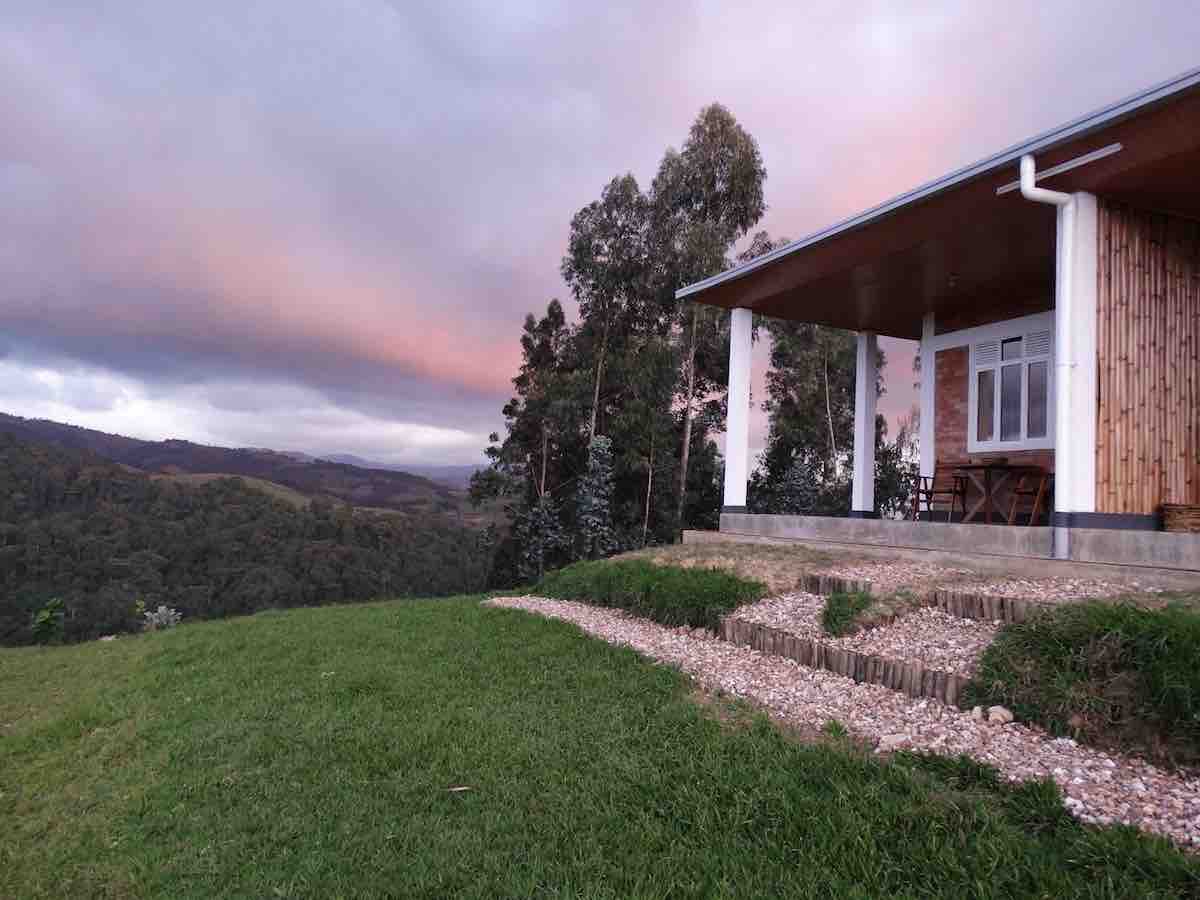
Location and Accessibility of Forest of Hope Guest House.
The Forest of Hope Guest House is well situated just outside the Gishwati forest boundary and the park’s main gate, Rubavu District. It’s about a 2 to 3-hour drive from Kigali City, via the Kigali-Rubavu Road. Public transport options are also available for guests and travelers, even though they are quite scarce; think of minibuses from Kigali’s Nyabugogo terminal to Rubavu, but they will drop you at Gisenyi. The guest house’s proximity to the park is less than 2 kilometers, and ensures quick access to the trailheads and rangers’ posts, which makes it a convenient hub for all.
The spot is operated and run by the Forest of Hope Association. FHA is a local NGO aimed at conservation and community development. The guest house also offers modest yet well-functioning lodging. There are about eight rooms at the Hotel that can accommodate up to 16 guests, and these don’t come alone but along with a twin bed or a double bed. Each room includes modern furnishings, with a bed under mosquito netting, a small table, and a chair with en suite bathrooms providing hot and cold water showers. Electricity at the spot is solar-powered, reflecting the park’s Eco-friendly vibe. Bedding and towels are provided, and rooms are cleaned neatly daily to give visitors the most unforgettable experience at the hotel.
The guest house also includes a communal lounge, the communal lounge comes with wooden benches, and a standard library of conservation books, good for a relaxation moment after a long safari day. Meals at the dining are exceedingly mouthwatering, it is unbelievable how they are prepared by local staff using ingredients sourced from nearby farms that kind of from farm right to your plate vibe. Breakfast is also included on your platter, and several bites are saved, including bread, eggs, fruit, and Rwanda’s famous teas or coffee. Lunch and dinner are also available for all travelers and guests, offering simple Rwandan dishes such as beans, plantains, and vegetable stews, with occasional chicken or fish options on a good day. Special dietary requests can be accommodated with earlier notice.
As of today, the Forest of Hope Guest House charges approximately USD 50 per night per person for both bed and breakfast, the payment can be payable in USD or RWF. This payment includes the park entry coordination, but excludes the park fee itself at USD 40 for foreign adults, which is payable to the Rwanda Development Board. Unlike Akagera or Nyungwe forest national park, which boasts several lodges, Gishwati Mukura prioritizes conservation welfare over infrastructure. The spot proceeds to support reforestation and anti-poaching activities, aligning with the park’s restoration goals. Gishwati alone lost 99% of its forest cover by the 1980s before reforming like it is now. Other hotels that are in proximity are the Nearby Gisenyi, which is just 15 kilometers away. Guests can access hotels like Lake Kivu Serena and just other few.
Staying at Forest of Hope Guest House enables travelers and guests to spot the chimpanzees right from their Veranda. Seeing the chimps first from a distance and then closer must be one of the breathtaking experiences. Guests can also engage in golden monkey walks, bird watching excursions and more of the exciting tourism activities in and around the park.
Where to Eat and Drink in Gishwati-Mukura National Park
Dining options remain limited within the park itself, making meal planning important when determining the best time to visit Gishwati-Mukura National Park. The community guesthouse provides simple, locally-sourced meals that showcase traditional Rwandan cuisine prepared with organic ingredients. Fresh fruits and vegetables from nearby farms feature prominently in most meals served to visitors.
Local restaurants in surrounding towns offer authentic Rwandan dishes, and the best time to visit Gishwati-Mukura National Park allows you to explore regional culinary traditions. Ubwiyenge (honey beer) and local coffee provide unique beverage experiences that connect you to agricultural practices in the region. Many accommodations can arrange packed lunches for full-day forest excursions.
The best time to visit Gishwati-Mukura National Park coincides with harvest seasons when fresh produce is most abundant and flavorful. Community-based tourism initiatives include cooking classes where you can learn to prepare traditional dishes using locally grown ingredients. Markets in nearby towns offer opportunities to purchase organic coffee, tea, and handcrafted honey products.
Weather and Climate of Gishwati-Mukura National Park
Gishwati-Mukura National Park experiences a consistently wet and cool climate throughout the year due to its proximity to the equator and elevation. The best time to visit Gishwati-Mukura National Park features uniform temperatures averaging 19°C during the day and cooling to 11°C at night. This stable temperature range means you can pack similar clothing regardless of when you visit.
The park's location creates a microclimate where rain can occur at any time, but the best time to visit Gishwati-Mukura National Park from June to September offers the driest conditions available. Humidity remains high year-round due to the dense forest canopy and frequent precipitation. Waterproof clothing and sturdy hiking boots are essential equipment for any visit.
Visitors should prepare for rapid weather changes, as the best time to visit Gishwati-Mukura National Park can still include sudden downpours or fog that reduces visibility. The cool temperatures might surprise travelers expecting typical equatorial heat. Layered clothing works best for adapting to temperature variations between different elevations within the forest.
Health and Safety When in Gishwati-Mukura National Park
Gishwati-Mukura National Park maintains excellent safety standards with experienced park rangers accompanying all guided activities, making any month the best time to visit Gishwati-Mukura National Park from a security perspective. Crime rates in Rwanda's national parks remain extremely low, with government prioritizing tourist safety. Your guide and ranger team will brief you on wildlife safety protocols before entering the forest.
Standard health precautions for forest environments apply regardless of the best time to visit Gishwati-Mukura National Park. Yellow fever vaccination is required for entry into Rwanda, and malaria prophylaxis is recommended despite the park's elevation. Basic first aid facilities are available, but serious medical emergencies require evacuation to Kigali.
The best time to visit Gishwati-Mukura National Park includes consulting government travel advisories for current safety information about Rwanda. Physical fitness requirements for forest walks are moderate, but you should inform guides of any health conditions. Emergency communication systems connect the park to national emergency services when needed.
Booking a Rwanda Safari to Gishwati-Mukura National Park with Gorilla Pathfinders
Gorilla Pathfinders specializes in creating customized Rwanda safari experiences that incorporate the best time to visit Gishwati-Mukura National Park based on your specific interests and schedule. Our team understands the seasonal variations and can recommend optimal timing for chimpanzee tracking, bird watching, or photography tours. We handle all logistics including permits, accommodations, and transportation arrangements.
Our local expertise ensures you experience the best time to visit Gishwati-Mukura National Park through carefully planned itineraries that maximize wildlife viewing opportunities. We work directly with community partners and park authorities to provide authentic experiences while supporting conservation efforts. Multi-day packages can combine Gishwati-Mukura with other Rwanda attractions for comprehensive adventure travel.
The best time to visit Gishwati-Mukura National Park varies by individual preferences, and our consultants help you choose dates that align with your goals and budget. We provide detailed pre-travel briefings covering what to expect, what to pack, and how to prepare for forest activities. Emergency support and 24/7 communication ensure your safety and satisfaction throughout your Rwanda safari experience.
Planning your visit to Gishwati-Mukura National Park requires careful consideration of weather patterns, activity availability, and personal preferences. The dry season from June to September offers the most comfortable hiking conditions and optimal wildlife viewing opportunities. Your choice of when to visit this remarkable park will shape your entire Rwanda experience, so take time to consider what matters most to you - whether that's perfect weather, budget considerations, or specific wildlife interests. Contact Gorilla Pathfinders today to start planning your unforgettable journey to one of Africa's newest and most inspiring conservation success stories!