The best time to visit Nouabalé-Ndoki National Park falls within two distinct dry seasons that offer optimal conditions for wildlife viewing and forest exploration. The primary dry season runs from June to September, while the secondary dry season spans December to February. During these periods, the best time to visit Nouabalé-Ndoki National Park provides clearer trails, better visibility for spotting animals, and more comfortable trekking conditions despite the persistent humidity.
The dry seasons don't mean you'll stay completely dry – this is equatorial rainforest after all! Even during the best time to visit Nouabalé-Ndoki National Park, you can expect occasional showers and consistently high humidity levels. What changes is the intensity and frequency of rainfall. The trails become more navigable, and animals congregate around water sources, making them easier to locate. For photographers, the filtered sunlight during dry months creates perfect lighting conditions.
If you visit during the rainy season from April to December, you'll witness the forest at its most lush and green. The best time to visit Nouabalé-Ndoki National Park for those seeking solitude might actually be these wetter months when fewer tourists brave the downpours. Wildlife disperses more widely with abundant water sources everywhere. The trails become muddy and challenging, requiring serious physical fitness and mental preparation. I've trekked through knee-deep mud during rainy season – it's demanding but equally rewarding.
Your choice of when to visit should align with your priorities and physical capabilities. The best time to visit Nouabalé-Ndoki National Park for first-time visitors is definitely the dry season when conditions are most forgiving. Experienced jungle trekkers might prefer the challenge and solitude of wet season adventures. Book your permits well in advance regardless of season, as this remote park has limited visitor capacity. The best time to visit Nouabalé-Ndoki National Park ultimately depends on your tolerance for difficult conditions and desire for authentic wilderness experiences.
How to Get to Nouabalé-Ndoki National Park
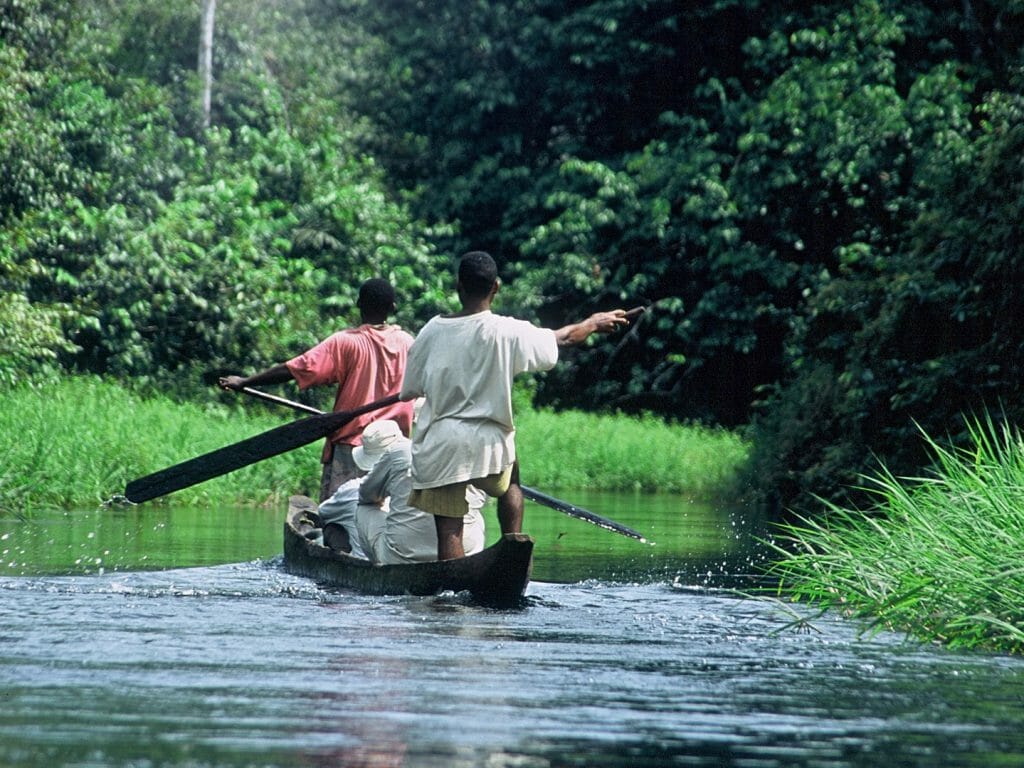
Getting to Nouabalé-Ndoki National Park ranks among the most challenging journeys in African wildlife tourism. Your adventure begins with securing a visa for the Republic of the Congo, which most nationalities must arrange before arrival. The best time to visit Nouabalé-Ndoki National Park starts with proper documentation and partnering with a reliable local operator who handles logistics. Most visitors fly into Brazzaville's Maya-Maya International Airport before continuing north to the park region.
From Brazzaville, you'll need to reach either Ouesso or Kabo, the gateway towns to the park. Charter flights offer the quickest route, cutting what would be a grueling multi-day road journey into a few hours. The best time to visit Nouabalé-Ndoki National Park coincides with dry season when small aircraft can land more reliably on remote airstrips. If you choose road travel, prepare for an expedition requiring days of travel in a robust 4WD vehicle over rough terrain. I attempted the road route once – let's just say the charter flight seems like a bargain after that experience!
The final leg from Ouesso or Kabo to Bomassa, the park's headquarters, involves either a scenic boat journey along the Sangha River or a 4WD transfer through dense forest. The best time to visit Nouabalé-Ndoki National Park affects this segment significantly, as river levels fluctuate with rainfall patterns. During dry season, some waterways become less navigable while roads firm up. Your local operator coordinates these transfers, which can take several hours depending on conditions and chosen route.
You cannot visit Nouabalé-Ndoki independently – all access requires booking through authorized operators who arrange permits, transport, and accommodation. The best time to visit Nouabalé-Ndoki National Park demands months of advance planning, as limited permits and complicated logistics mean last-minute trips are nearly impossible. Start your planning at least six months ahead, especially for dry season visits. The journey's complexity is part of what keeps this park pristine and uncrowded – a trade-off that serious wildlife enthusiasts appreciate.
Nouabalé-Ndoki National Park and Surrounds
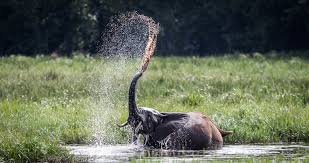
Nouabalé-Ndoki National Park covers 4,000 square kilometers of pristine Congo Basin rainforest straddling the border with Cameroon and Central African Republic. This UNESCO World Heritage Site remains one of the few places in Africa where ecological processes continue virtually undisturbed by human activity. The best time to visit Nouabalé-Ndoki National Park lets you experience this wilderness at its most accessible while maintaining its wild character.
The park forms part of the larger Sangha Trinational Protected Area, shared with neighboring countries. The best time to visit Nouabalé-Ndoki National Park allows exploration of different forest types, from terra firma rainforest to seasonally flooded swamp forests. The Sangha River forms the park's western boundary, providing a natural corridor for wildlife movement. Bomassa serves as the main base, offering basic facilities and park headquarters.
Mbeli Bai, a famous forest clearing within the park, attracts the highest concentration of wildlife. The best time to visit Nouabalé-Ndoki National Park often centers around spending time at this remarkable spot where forest elephants, gorillas, and other species emerge to feed on minerals and vegetation. Researchers have studied individual gorillas and elephants here for decades, providing visitors with insights into their complex social lives. The platform overlooking Mbeli Bai offers unparalleled wildlife viewing opportunities.
The surrounding region includes communities of indigenous Batwa people and other groups whose traditional lands border the park. The best time to visit Nouabalé-Ndoki National Park provides opportunities to learn about their cultures and traditional forest knowledge. Community-based tourism initiatives support local livelihoods while protecting the park. The remote location means limited infrastructure exists outside Bomassa, adding to both the challenges and appeal of visiting this extraordinary wilderness.
What to See and Do in Nouabalé-Ndoki National Park
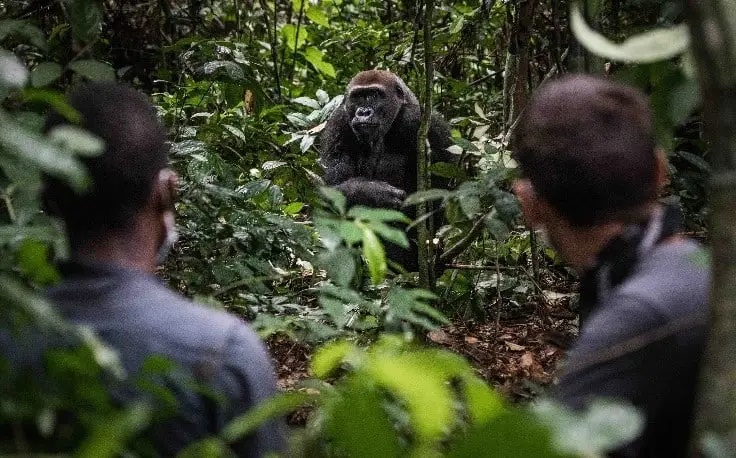
Gorilla trekking tops every visitor's list when considering the best time to visit Nouabalé-Ndoki National Park. The park protects habituated western lowland gorillas that you can observe with expert trackers and researchers as guides. Unlike mountain gorillas, these lowland cousins live in denser vegetation at lower altitudes, making encounters feel more intimate and challenging. The best time to visit Nouabalé-Ndoki National Park for gorilla trekking is dry season when trails are less treacherous and gorillas spend more time in accessible areas.
Elephant tracking offers another thrilling activity in this wilderness. Forest elephants, smaller than their savanna cousins, carve highways through the jungle and create clearings where they feed. The best time to visit Nouabalé-Ndoki National Park for elephant viewing is when they congregate at Mbeli Bai and other clearings during dry months. I spent hours watching a matriarch lead her family to the bai – their intelligence and social bonds were mesmerizing! You might also spot forest buffalo, bongos, and various duiker species during treks.
Mbeli Bai deserves its own mention as a must-visit site within the park. This natural clearing attracts wildlife throughout the year, but the best time to visit Nouabalé-Ndoki National Park for bai viewing is during dry season when animal traffic peaks. From a raised platform, you can observe gorillas, elephants, and other species without disturbing their natural behavior. Researchers share their knowledge of individual animals and their life histories, adding depth to your observations. The best time to visit Nouabalé-Ndoki National Park includes dedicating full days to bai watching.
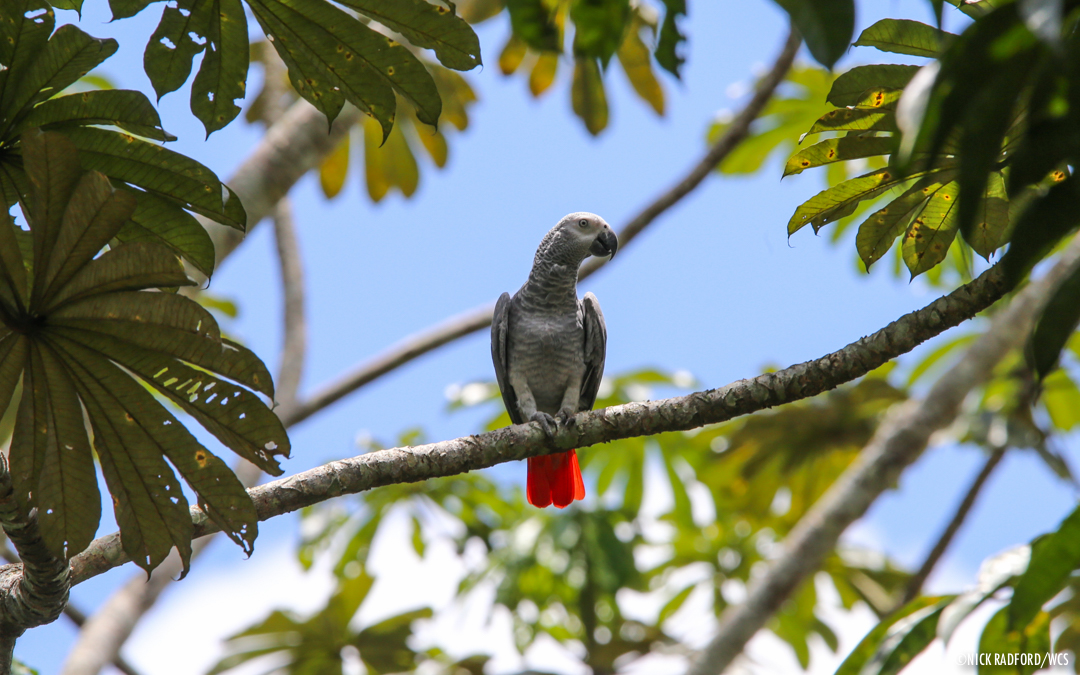
Pirogue excursions through flooded forests provide a completely different perspective on the ecosystem. These traditional dugout canoes let you glide silently through swamp forests observing birds, monkeys, and aquatic life. The best time to visit Nouabalé-Ndoki National Park for pirogue trips is during higher water levels when more areas become accessible. Birdwatchers will find over 300 species including African Grey Parrots, various eagles, and colorful bee-eaters. Cultural experiences with Batwa communities offer insights into traditional forest living. Forest camping adds another dimension, letting you experience nocturnal sounds and potentially spot creatures active only after dark.
Where to Stay in Nouabalé-Ndoki National Park
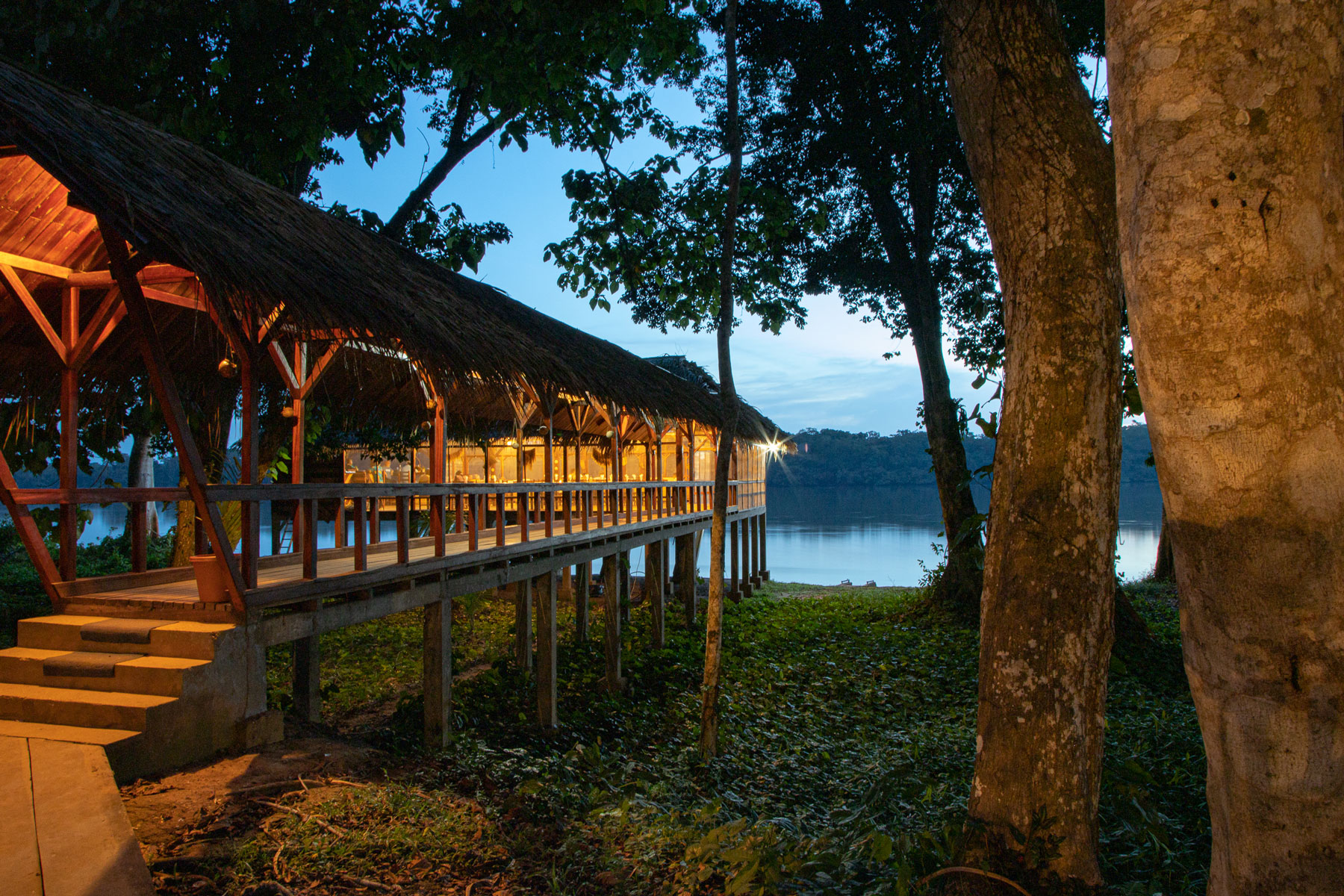
Accommodation options near Nouabalé-Ndoki National Park are extremely limited, reflecting the park's remote location and focus on low-impact tourism. The best time to visit Nouabalé-Ndoki National Park requires booking accommodation months in advance, as capacity remains deliberately restricted. Most visitors stay in basic forest camps within or near the park, designed to minimize environmental impact while providing necessary comfort.
For luxury experiences, Sangha Lodge offers the most comfortable option with permanent tented structures, quality meals, and knowledgeable guides. This eco-lodge near the park provides hot showers, proper beds, and a communal dining area – luxuries after jungle treks! The best time to visit Nouabalé-Ndoki National Park from Sangha Lodge is year-round, as they accommodate guests during both seasons. Doli Lodge presents another upscale choice with similar amenities and excellent access to gorilla trekking areas. Mbeli Bai Camp, operated by Wildlife Conservation Society, offers comfortable forest accommodation specifically for viewing the famous clearing.
Midrange options include basic but clean forest camps with simple bandas or tents, shared facilities, and meals prepared over campfires. Bomassa has a few guesthouses providing basic rooms with mosquito nets and simple food. The best time to visit Nouabalé-Ndoki National Park on a moderate budget means accepting rustic conditions as part of the authentic experience. Camps like these might have bucket showers and composting toilets, but they're clean and functional. The focus stays on wildlife rather than accommodation luxury.
Budget and shoestring travelers face serious challenges visiting Nouabalé-Ndoki. The best time to visit Nouabalé-Ndoki National Park on a tight budget is frankly never – this isn't a destination for independent backpackers. Minimum costs including transport, permits, guides, and basic accommodation run several thousand dollars per person. The park's protection depends on high-value, low-volume tourism. If cost is your primary concern, consider more accessible parks in East Africa instead. The best time to visit Nouabalé-Ndoki National Park is when you've saved enough for the significant investment this incredible experience requires.
Where to Eat and Drink in Nouabalé-Ndoki National Park
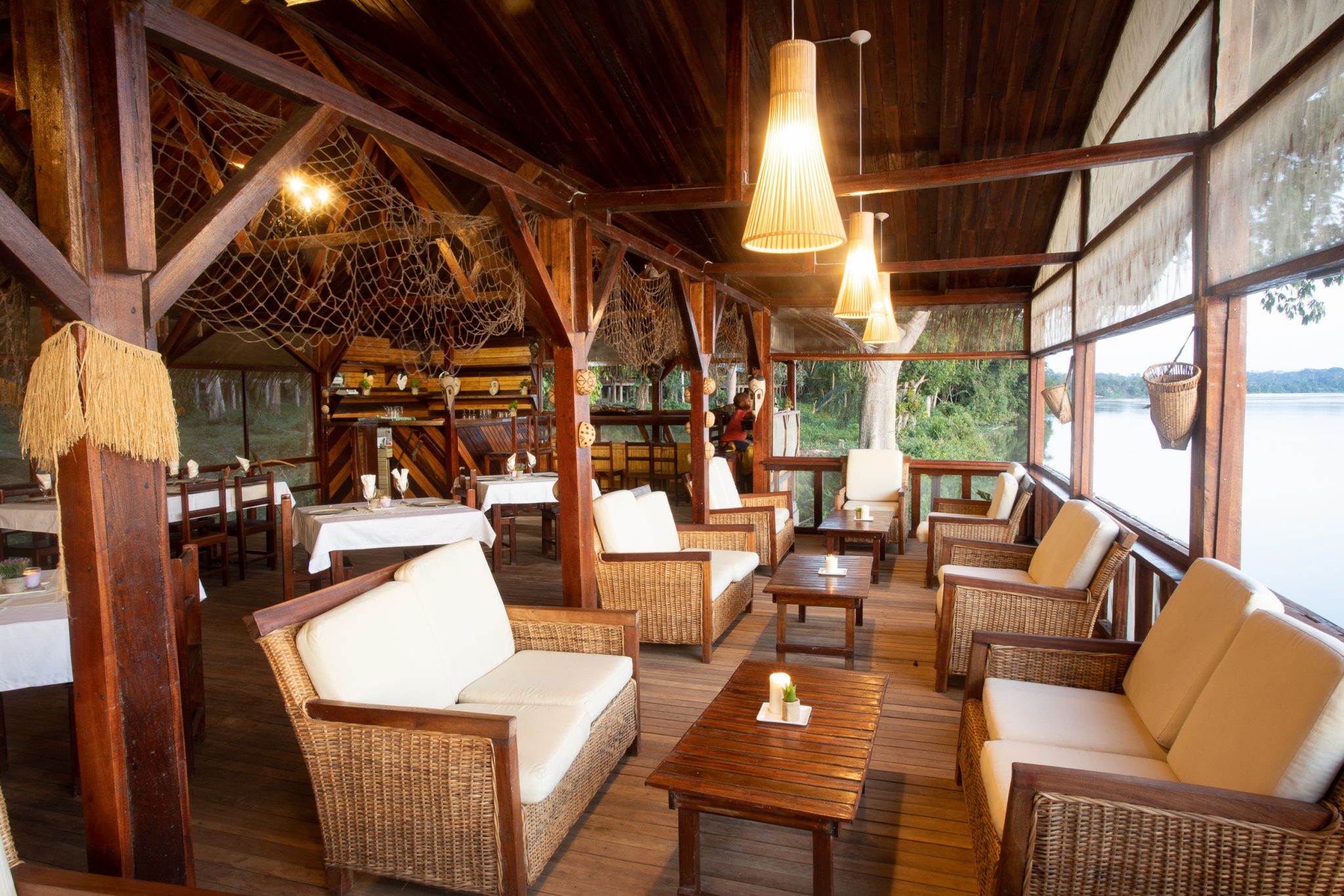
Dining options within and around Nouabalé-Ndoki National Park are inseparable from your accommodation, as no standalone restaurants exist in this remote wilderness. The best time to visit Nouabalé-Ndoki National Park means accepting that meals come as part of your package arranged through your tour operator. Lodges and camps provide all meals, typically featuring simple but hearty fare prepared with ingredients brought from Ouesso or Brazzaville.
Most camps serve buffet-style meals with a mix of local and international dishes. Expect rice, cassava, plantains, grilled fish or chicken, and vegetable stews. The best time to visit Nouabalé-Ndoki National Park from a culinary perspective is whenever you appreciate simple, fresh food after demanding physical activity. Breakfast might include eggs, bread, fruit, and coffee or tea. Lunch often arrives as packed meals during full-day excursions. Dinner becomes the social highlight where guests share their day's experiences around communal tables.
Special dietary requirements need advance notification when booking. The best time to visit Nouabalé-Ndoki National Park if you have specific food needs is after confirming your operator can accommodate them. Vegetarian meals are usually manageable, but vegan, gluten-free, or other restrictions become more challenging given limited ingredients and preparation facilities. I watched fellow travelers struggle with food issues – speak up early to avoid problems! Camps make genuine efforts to satisfy guests within their constraints.
Drinking water comes bottled or purified at all camps – never drink from streams or rivers despite their pristine appearance. The best time to visit Nouabalé-Ndoki National Park includes staying well-hydrated in the humid climate. Most lodges offer beer, wine, and soft drinks at additional cost. Some camps have basic bars where you can purchase beverages. Alcohol selection is limited but adequate. The emphasis throughout is on experiencing the forest rather than gourmet dining, which makes sense given the location's remoteness and conservation priorities.
Weather and Climate of Nouabalé-Ndoki National Park
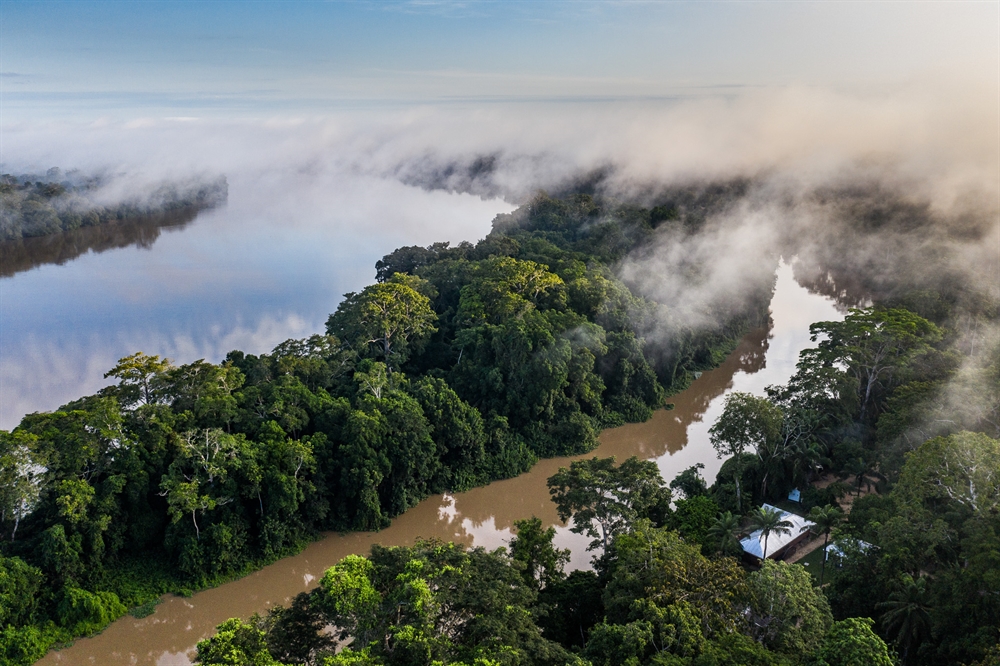
Nouabalé-Ndoki National Park experiences a hot, humid equatorial climate with significant rainfall throughout the year. Temperatures remain fairly constant, ranging from 22°C to 30°C regardless of season. The best time to visit Nouabalé-Ndoki National Park from a temperature perspective is any time, as heat and humidity are constants you'll face year-round. What varies dramatically is rainfall intensity, which determines accessibility and wildlife viewing quality.
The dry seasons from June to September and December to February bring reduced rainfall but don't eliminate it entirely. The best time to visit Nouabalé-Ndoki National Park during these months offers relatively drier trails, better visibility, and more predictable wildlife patterns. Morning mist often blankets the forest, burning off by mid-morning as temperatures rise. Afternoons can bring brief showers even during dry season. Humidity rarely drops below 80 percent, making physical exertion feel more demanding than the temperature alone suggests.
Rainy seasons dominate the calendar, with particularly heavy precipitation from April to May and October to November. The best time to visit Nouabalé-Ndoki National Park for avoiding rain is definitely during dry months, though prepared travelers can visit year-round. During rainy season, expect daily downpours that can last hours, turning trails into mud baths and streams into torrents. The forest comes alive with fungi, insects, and lush growth. Wildlife disperses widely rather than concentrating at water sources, making sightings more challenging but equally rewarding.
You need proper gear regardless of when you visit. The best time to visit Nouabalé-Ndoki National Park requires packing quality rain gear, waterproof bags for cameras and electronics, and quick-dry clothing. Sturdy hiking boots with good ankle support are essential, as trails are uneven and often slippery. Long sleeves and pants protect against insects and thorny vegetation. I learned the hard way that cotton clothing stays wet for days – synthetic fabrics dry faster and reduce discomfort. The climate demands respect and preparation, but with proper gear, you can handle whatever weather the forest throws at you.
Health and Safety During a Congo Safari to Nouabalé-Ndoki National Park
Health preparation for Nouabalé-Ndoki National Park begins months before departure with required vaccinations and preventive medications. Yellow fever vaccination is mandatory for entry to the Republic of the Congo, and you must carry your yellow card as proof. The best time to visit Nouabalé-Ndoki National Park health-wise is after completing all recommended immunizations including hepatitis A and B, typhoid, and tetanus. Malaria prevention is critical – take prescribed antimalarials religiously before, during, and after your trip.
The remote location means medical facilities are extremely limited or nonexistent near the park. The best time to visit Nouabalé-Ndoki National Park is when you're in good physical condition and free from chronic health issues requiring regular medical intervention. Bring a comprehensive first-aid kit and any prescription medications you need, plus extras in case of delays. Your tour operator will have guides trained in wilderness first aid, but serious medical emergencies require evacuation to Brazzaville or beyond. Medical evacuation insurance isn't optional – it's essential for this destination.
Wildlife encounters require following strict safety protocols established by experienced guides. The best time to visit Nouabalé-Ndoki National Park safely is when you commit to following all instructions without question. When viewing gorillas, maintain the required seven-meter distance, never make direct eye contact, and stay calm if a gorilla approaches you. Elephant encounters demand particular caution, as forest elephants can be more unpredictable than their savanna cousins. Your guides read animal behavior and position your group for safe viewing. I've been mock-charged by a silverback – trust me, you want guides who know what they're doing!
General park safety is good, with wildlife-related incidents rare when protocols are followed. The best time to visit Nouabalé-Ndoki National Park from a security perspective is any time, as the park remains safe from human conflict and crime. The primary risks involve the challenging environment itself – slippery trails, insects, heat exhaustion, and dehydration. Wear appropriate clothing covering exposed skin to prevent insect bites. Use strong insect repellent containing DEET. Stay hydrated and recognize signs of heat-related illness. The best time to visit Nouabalé-Ndoki National Park is when you respect both the wildlife and the environment's inherent challenges, preparing thoroughly for this serious wilderness adventure.
Booking a Congo Safari to Nouabalé-Ndoki National Park with Gorilla Pathfinders
Booking your Congo safari with Gorilla Pathfinders gives you access to years of experience operating in challenging Central African destinations. The best time to visit Nouabalé-Ndoki National Park becomes clearer when working with specialists who know the park intimately and maintain relationships with local operators and communities. We handle the complex logistics that make independent travel here nearly impossible, from securing Congo visas to arranging charter flights and river transfers. Your itinerary includes gorilla trekking permits, which have limited daily availability and require advance booking.
Planning should begin six to twelve months before your intended travel dates. The best time to visit Nouabalé-Ndoki National Park demands early booking, especially for dry season departures when demand peaks. We customize your safari to match your interests, fitness level, and budget constraints. You might combine Nouabalé-Ndoki with other Congo Basin destinations or focus exclusively on this remarkable park. We arrange experienced English-speaking guides who enhance your experience with their knowledge of wildlife behavior, forest ecology, and local cultures.
Your safety and comfort remain our priorities throughout the journey. The best time to visit Nouabalé-Ndoki National Park with Gorilla Pathfinders means traveling with comprehensive support from arrival in Brazzaville until your departure. We provide detailed pre-departure information covering health requirements, packing lists, and what to expect. Our local partners maintain high standards for accommodation and food quality within the constraints of this remote location. Emergency protocols and communication systems ensure you're never truly isolated despite the wilderness setting.
The investment in a Nouabalé-Ndoki safari is significant, but the experience justifies every dollar. The best time to visit Nouabalé-Ndoki National Park is when you're ready for one of Africa's most authentic and challenging wildlife adventures. Contact Gorilla Pathfinders today to start planning your Congo Basin expedition. Our team will guide you through every step, from choosing the best dates to preparing for your journey into one of the world's last true wildernesses!
Final Thoughts
The best time to visit Nouabalé-Ndoki National Park is during the dry seasons from June to September or December to February when conditions favor wildlife viewing and comfortable trekking. This pristine Congo Basin rainforest offers experiences found nowhere else – habituated western lowland gorillas, forest elephants at Mbeli Bai, and genuine wilderness isolation. Getting there demands significant planning, from securing visas to coordinating charter flights and river transfers through specialized operators. The best time to visit Nouabalé-Ndoki National Park requires physical fitness, flexibility, and acceptance of basic conditions in exchange for extraordinary wildlife encounters.
Your days will be filled with gorilla treks, elephant tracking, pirogue excursions, and hours watching wildlife at forest clearings. Accommodation ranges from basic forest camps to comfortable eco-lodges, all operating with minimal environmental impact. The best time to visit Nouabalé-Ndoki National Park means preparing for heat, humidity, and potential rain regardless of season. Health precautions including vaccinations and malaria prevention are non-negotiable. The park's remoteness ensures low visitor numbers, protecting both wildlife and the quality of your experience.
This isn't a destination for casual tourists or budget travelers. The best time to visit Nouabalé-Ndoki National Park is when you've saved adequately for the investment and prepared mentally for genuine adventure travel. The rewards are profound – witnessing one of Earth's most intact ecosystems and wildlife species thriving in their natural habitat. Book well in advance through experienced operators like Gorilla Pathfinders who handle the complex logistics. Start planning your Congo Basin adventure today and discover why those who visit Nouabalé-Ndoki rank it among Africa's most memorable wildlife experiences!