How Many Gorilla Families Are Available for Gorilla Trekking in Kahuzi Biega National Park?
The current situation regarding Gorilla Families in Kahuzi Biega National Park reveals that approximately 9 gorilla families call this UNESCO World Heritage Site home, but only 5 are fully habituated and accessible to tourists. This limited availability makes gorilla trekking permits extremely valuable and sought-after by wildlife enthusiasts from around the world. The park's location in eastern Democratic Republic of Congo provides the perfect habitat for these magnificent eastern lowland gorillas, which are significantly larger than their mountain gorilla cousins.
The restricted number of habituated Gorilla Families in Kahuzi Biega National Park stems from the complex and time-consuming habituation process that can take several years to complete. Each family must gradually become accustomed to human presence without altering their natural behaviors, requiring dedicated teams of researchers and ranger guides who work tirelessly to build trust between humans and gorillas. This careful approach ensures that tourism activities don't disrupt the gorillas' daily routines or social structures.
Political instability in eastern DRC has significantly impacted conservation efforts, making the protection of Gorilla Families In Kahuzi Biega National Park more challenging than in neighboring countries. Rebel groups, illegal mining operations, and poaching activities have forced some families to relocate deeper into the forest, making habituation efforts more difficult and dangerous. Despite these challenges, the park's dedicated staff continues working to protect these endangered primates and their habitat.
The maximum number of visitors allowed per day is strictly limited to 8 people per family to minimize stress on the Gorilla Families In Kahuzi Biega National Park and ensure sustainable tourism practices. This restriction helps maintain the delicate balance between conservation needs and tourism revenue that supports protection efforts. The limited capacity also creates an exclusive experience that allows for more intimate encounters with these incredible creatures.
Most Popular Safaris
The growing popularity of eastern lowland gorilla trekking has led to several safari packages featuring Gorilla Families In Kahuzi Biega National Park as the main attraction. A 3-day fly-in safari offers the quickest way to experience these magnificent primates, perfect for travelers with limited time who want to maximize their gorilla encounter opportunities. The 5-day Rwanda Chimp & Congo Eastern Lowland Gorillas Safari combines two incredible primate experiences, allowing visitors to compare different species and habitats.
The 7-day Nyungwe Forest National Park & Kahuzi Biega National Park adventure provides the most comprehensive primate experience available, featuring multiple opportunities to observe Gorilla Families In Kahuzi Biega National Park alongside other primates. The 2-day DRC Eastern Lowland Gorilla Safari offers a budget-friendly option for travelers who want to experience these incredible creatures without extensive time commitments. These varied packages cater to different preferences, budgets, and time constraints while ensuring quality encounters with habituated families.
Multi-day packages often include cultural visits to local communities, providing context about the relationship between people and Gorilla Families In Kahuzi Biega National Park. The 5-day gorilla and game fly-in safari combines gorilla trekking with traditional game viewing, creating a well-rounded African adventure. These comprehensive packages help visitors understand the broader conservation challenges facing eastern lowland gorillas and the communities that protect them.
What are the Gorilla Trekking Families For Kahuzi Biega National Park?
The five confirmed Gorilla Families In Kahuzi Biega National Park each offer unique personalities and characteristics that make every trekking experience distinctly different. Chimanuka, Mpungwe, Bonnani, Mugahuka, and Nganwa families represent the culmination of years of careful habituation work by dedicated conservation teams. Each family has developed its own territorial preferences, social dynamics, and daily routines that visitors can observe during their hour-long encounters.
The diversity among Gorilla Families In Kahuzi Biega National Park means that multiple visits can provide completely different experiences, from observing playful juveniles to witnessing the impressive displays of dominant silverbacks. Family sizes range from small intimate groups to large extended families with over 20 members, creating varied social dynamics that fascinate behavioral researchers and casual observers alike. The different ages and personalities within each family create compelling viewing opportunities for photography and wildlife observation.
Understanding the individual characteristics of each family helps visitors choose the most suitable trekking experience based on their interests and physical abilities. Some Gorilla Families In Kahuzi Biega National Park are easier to locate and observe, while others require more challenging hikes through difficult terrain. The varying accessibility levels ensure that visitors with different fitness levels can find appropriate options for their gorilla trekking adventure.
Mugahuka Gorilla Trekking family
The Mugahuka family among Gorilla Families In Kahuzi Biega National Park derives its name from the dominant silverback who leads this resilient group with quiet authority. This family has endured significant challenges, including territorial disputes with the larger Chimanuka family that resulted in the loss of several members. Despite these setbacks, the Mugahuka family continues to thrive under their silverback's leadership, demonstrating the remarkable resilience of these endangered primates.
The current composition of the Mugahuka family makes them one of the smaller Gorilla Families In Kahuzi Biega National Park, but their tight-knit social bonds create intimate viewing experiences for visitors. Their relatively small size means they can move more quickly through the forest, sometimes making them easier to locate than larger families that require more time to coordinate movements. The family's adaptability and survival instincts make them particularly interesting subjects for behavioral observation.
Visiting the Mugahuka family offers insights into gorilla social dynamics and the challenges facing Gorilla Families In Kahuzi Biega National Park in the wild. Their story of survival against adversity resonates with visitors who appreciate the conservation significance of protecting these endangered primates. The family's ability to maintain cohesion despite external pressures demonstrates the importance of social bonds in gorilla communities.
Chimanuka Gorilla trekking family
The Chimanuka family stands out among Gorilla Families In Kahuzi Biega National Park as one of the most charming and dynamic groups available for trekking experiences. With over 19 members, this family represents the second-largest habituated group in the park, led by the formidable silverback Chimanuka who commands respect through his impressive size and gentle demeanor. The family's popularity means that permits sell out quickly, requiring advance booking to secure trekking opportunities.
The Chimanuka family's success in expanding their membership through strategic territorial acquisitions makes them one of the most interesting Gorilla Families In Kahuzi Biega National Park from a behavioral perspective. Their ability to integrate new members from other groups demonstrates the complex social dynamics that govern gorilla communities. The family's large size creates numerous opportunities to observe different age groups and their interactions within the family structure.
Visitors to the Chimanuka family often describe their experience as magical, with multiple generations of gorillas providing entertainment through their playful interactions and social behaviors. The family's established territory and predictable movement patterns make them one of the more reliable Gorilla Families In Kahuzi Biega National Park for successful encounters. Their tolerance of human presence, developed through years of habituation, allows for comfortable observation experiences.
Bonnani gorilla trekking family
The Bonnani family represents one of the newest additions to the habituated Gorilla Families In Kahuzi Biega National Park, having recently completed the long habituation process that makes them accessible to tourists. This small family consists of only 5 members, making them the most intimate group available for trekking experiences. Their recent habituation means they are still closely monitored by researchers and guides who ensure their continued comfort with human presence.
The Bonnani family's small size among Gorilla Families In Kahuzi Biega National Park creates unique viewing opportunities that larger families cannot provide. Visitors can observe the intricate social bonds that hold this tight-knit group together, from grooming sessions to shared feeding experiences. The family's manageable size also means that individual personalities become more apparent during the hour-long observation period.
Despite being newly habituated, the Bonnani family has quickly become popular among visitors seeking more intimate encounters with Gorilla Families In Kahuzi Biega National Park. Their smaller territory and predictable behavior patterns make them an excellent choice for first-time gorilla trekkers who want to ease into the experience. The family's continued monitoring ensures that their welfare remains the top priority as they adjust to regular human contact.
Mpungwe Gorilla Family
The Mpungwe family holds the distinction of being the largest among all Gorilla Families In Kahuzi Biega National Park, with over 21 members creating a bustling community that fascinates visitors with its complex social dynamics. As one of the oldest habituated families in the park, Mpungwe has extensive experience with human visitors, making them comfortable and predictable subjects for observation. Their large size means there's always something happening within the group, from playful juveniles to maternal care displays.
The Mpungwe family's impressive size among Gorilla Families In Kahuzi Biega National Park creates unparalleled opportunities for wildlife photography and behavioral observation. Multiple silverbacks within the family create interesting hierarchical dynamics that visitors can observe during their encounter. The family's established territory and well-worn trails make them relatively easy to locate, increasing the likelihood of successful trekking experiences.
Visitors to the Mpungwe family often describe feeling overwhelmed by the sheer number of gorillas and the constant activity within the group. The family's acceptance of human presence, developed over years of habituation, allows for comfortable observation of natural behaviors. Their popularity among Gorilla Families In Kahuzi Biega National Park means permits should be booked well in advance to secure trekking opportunities.
Nganwa Gorilla Trekking family
The Nganwa family represents one of the more adventurous options among Gorilla Families In Kahuzi Biega National Park, requiring visitors to navigate challenging terrain and potentially longer hikes to reach their territory. This newly opened family offers fresh perspectives on gorilla behavior and social dynamics, having recently completed their habituation process. Their location deeper in the forest provides a more authentic wilderness experience for visitors seeking adventure.
The Nganwa family's territorial preferences among Gorilla Families In Kahuzi Biega National Park often require trekkers to climb steep slopes and navigate dense vegetation, making fitness levels an important consideration for this experience. The challenging access adds to the sense of achievement when encountering this remarkable family in their natural habitat. The family's newer habituation status means they may be more skittish than other families, requiring patience and quiet observation.
Visitors who choose the Nganwa family among Gorilla Families In Kahuzi Biega National Park are often rewarded with more pristine forest environments and potentially fewer human disturbances. The family's remote location provides opportunities to observe their natural behaviors in relatively undisturbed settings. Their continued monitoring ensures that tourism activities don't negatively impact their adjustment to human presence.
When Can I Book a Gorilla Trekking Safari for Kahuzi Biega National Park?
The optimal timing for booking safaris to visit Gorilla Families In Kahuzi Biega National Park depends on seasonal weather patterns and tourism demand fluctuations. The dry season from June to September and December to early February provides the most favorable conditions for forest trekking, with reduced rainfall making trails more accessible and gorilla tracking more predictable. These peak seasons also coincide with higher permit demand, making advance booking essential for securing trekking opportunities.
The dry season's popularity among visitors to Gorilla Families In Kahuzi Biega National Park means that permits often sell out 90 days in advance, requiring early planning for travelers with specific dates in mind. The improved trail conditions and clearer photography opportunities during dry months make this period ideal for first-time visitors who want optimal viewing experiences. Peak season logistics, including accommodations and transportation, also require advance booking to ensure availability.
The wet season months of March, April, May, and November offer alternative opportunities for visiting Gorilla Families In Kahuzi Biega National Park with lower permit demand and potentially more intimate experiences. While rainfall can make trekking more challenging, it also provides lush forest environments and fewer crowds during gorilla encounters. Budget-conscious travelers often prefer wet season visits when accommodation and transportation costs may be lower due to reduced demand.
How Much Is The Cost Of Gorilla Trekking Permit For Kahuzi Biega National Park?
The current permit pricing for accessing Gorilla Families In Kahuzi Biega National Park reflects the exclusive nature of this wildlife experience and the conservation costs associated with protecting these endangered primates. International visitors pay $450 per person per trek, while international residents receive reduced rates of $250, and local Congolese citizens pay just $25. These tiered pricing structures help make gorilla trekking accessible to different economic groups while generating crucial revenue for conservation efforts.
The permit cost for visiting Gorilla Families In Kahuzi Biega National Park includes several essential services that ensure safe and educational experiences. Park entrance fees, professional ranger guide services, one hour of gorilla observation time, and direct contributions to conservation programs are all covered by the permit price. This comprehensive package ensures that visitors receive maximum value while supporting the protection of these endangered primates and their habitat.
Understanding what's excluded from permit costs helps visitors budget appropriately for their gorilla trekking adventure to see Gorilla Families In Kahuzi Biega National Park. Accommodations, transportation, meals, tips for guides and porters, and personal expenses are not included in the permit price. Planning for these additional costs ensures that visitors can focus on their gorilla encounter without financial concerns during their trip.
How sure can I be to see the Eastern Lowland Gorilla in Kahuzi Biega National Park?
The success rate for encountering Gorilla Families In Kahuzi Biega National Park depends on several factors, including political stability, weather conditions, and the gorillas' daily movement patterns. Under stable conditions, the habituated families' predictable territorial preferences make sightings highly probable for visitors with valid permits. Daily tracking teams monitor each family's movements, providing guides with current location information that increases encounter success rates.
The semi-nomadic nature of Gorilla Families In Kahuzi Biega National Park means they may relocate within their territories based on food availability and seasonal preferences. Silverbacks make strategic decisions about territory usage based on resource availability and family needs, sometimes leading families to areas that require longer treks to reach. Experienced guides use tracking skills and fresh sign reading to locate families even when they've moved from their usual locations.
Weather conditions can significantly impact the ability to locate Gorilla Families In Kahuzi Biega National Park, with heavy rains sometimes making tracking more challenging but not impossible. The gorillas' tendency to seek shelter during storms can actually make them easier to find in predictable locations. Guide expertise in reading environmental cues and understanding gorilla behavior patterns helps maintain high success rates even under challenging conditions.
Is Gorilla Trekking in Kahuzi Biega Challenging?
The physical demands of reaching Gorilla Families In Kahuzi Biega National Park can be significant, particularly given the mountainous terrain and dense forest environments that these primates call home. The park's topography includes steep slopes, muddy trails, and thick vegetation that can make navigation challenging for visitors without adequate fitness levels. Highland areas within the park may require substantial hiking before encounters with the lowland gorillas occur.
Trail conditions affecting access to Gorilla Families In Kahuzi Biega National Park vary based on seasonal weather patterns and maintenance schedules. During periods of low visitation, vegetation can overgrow trails, requiring guides to clear paths with machetes as the group progresses. Waterlogged ground conditions from frequent rainfall can create slippery surfaces that challenge even experienced hikers, particularly during the wet season months.
The unpredictable nature of gorilla movements means that visits to Gorilla Families In Kahuzi Biega National Park can range from relatively easy walks to challenging multi-hour treks through difficult terrain. Families may feed in areas that require stream crossings, steep climbs, or navigation through dense undergrowth. The gorillas' comfort with their environment means they don't adjust their activities based on human accessibility, requiring visitors to adapt to their preferred locations.
When is the return time from Gorilla Trekking in Kahuzi Biega National Park?
The duration of expeditions to locate Gorilla Families In Kahuzi Biega National Park typically ranges from 2 to 6 hours, depending on the family's location and movement patterns on any given day. Multiple factors influence trekking duration, including the gorillas' feeding preferences, weather conditions, recent family dynamics, and the presence of other wildlife that may affect their behavior. Visitors should prepare for variable trekking times and remain flexible with their daily schedules.
The time required to reach Gorilla Families In Kahuzi Biega National Park can vary significantly based on environmental conditions and the gorillas' daily activities. Families may move considerable distances overnight in search of preferred feeding areas, requiring longer treks to reach their current location. Weather conditions can also impact both human mobility and gorilla behavior, potentially extending or shortening the time needed to locate families.
The mandatory one-hour observation period with Gorilla Families In Kahuzi Biega National Park represents the culmination of the trekking experience, regardless of how long it takes to locate the family. This time limit helps minimize stress on the gorillas while providing visitors with adequate opportunity to observe and photograph these magnificent creatures. The return journey to the park headquarters typically takes less time than the outbound trek, as guides can choose more direct routes.
Is Gorilla Trekking in Kahuzi Biega Safe?
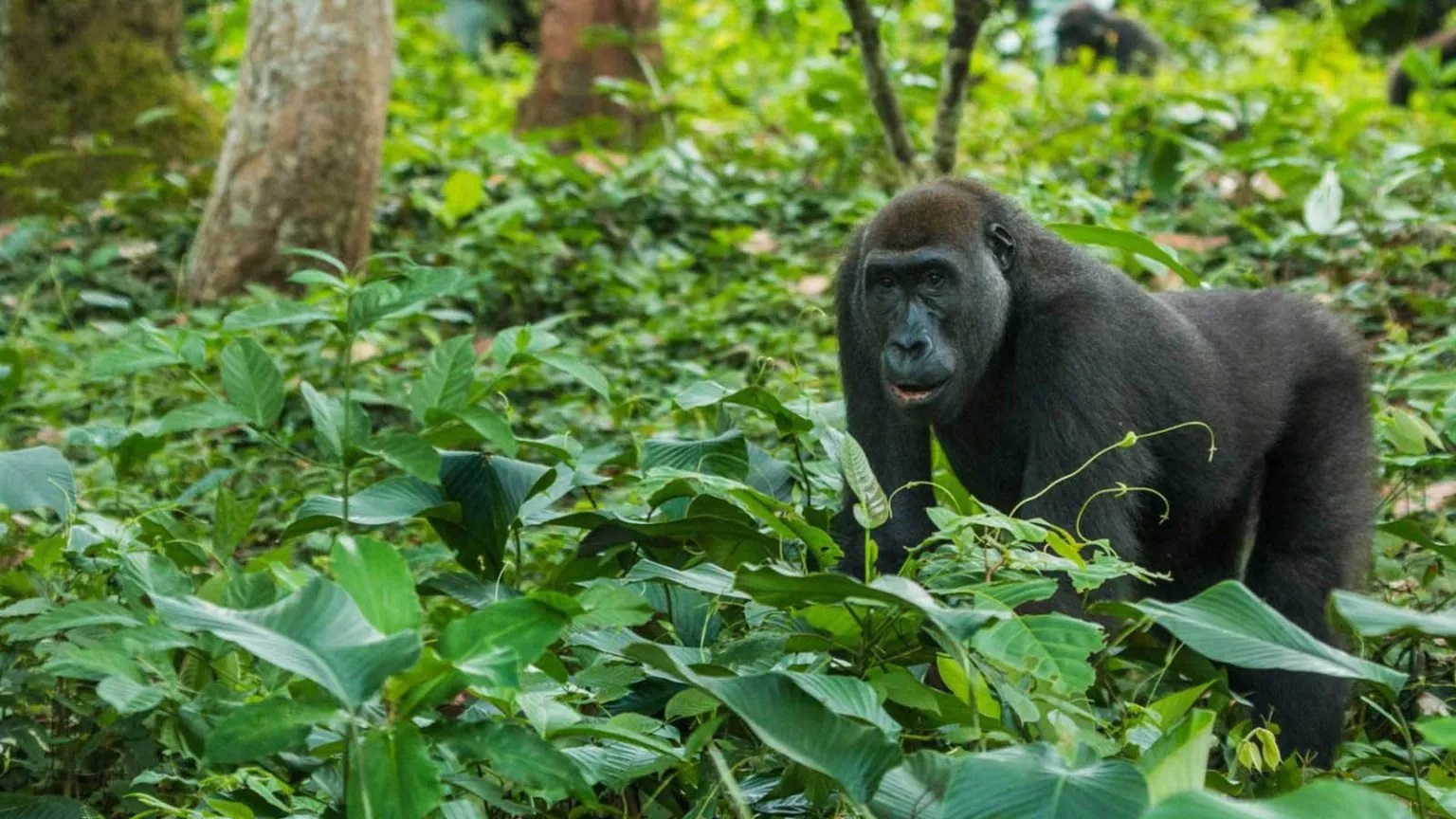
Safety considerations for visiting Gorilla Families In Kahuzi Biega National Park involve both wildlife-related risks and regional security concerns that require careful planning and professional guidance. The park's location in eastern Democratic Republic of Congo means that political instability and rebel activity can occasionally affect tourism operations. Professional guides and security personnel accompany all trekking groups to ensure visitor safety while accessing gorilla territories.
The inherent risks of encountering wild Gorilla Families In Kahuzi Biega National Park require strict adherence to safety protocols and behavioral guidelines established by park authorities. While eastern lowland gorillas are generally peaceful, they can become aggressive if they feel threatened or if visitors violate safety distances. Professional guides monitor gorilla behavior continuously and can identify signs of agitation that require immediate response to ensure visitor safety.
Proper preparation and equipment help minimize risks associated with trekking to see Gorilla Families In Kahuzi Biega National Park in challenging forest environments. Sturdy hiking boots, garden gloves, and appropriate clothing protect against thorns, stinging nettles, and rough terrain that characterizes the park's landscape. Staying close to guides and following their instructions reduces the risk of getting lost in the dense forest or encountering dangerous wildlife.
What Are The Guidelines For Gorilla Trekking In Kahuzi Biega National Park?
The comprehensive guidelines for visiting Gorilla Families In Kahuzi Biega National Park prioritize both visitor safety and gorilla welfare through strictly enforced rules and regulations. The minimum age requirement of 15 years ensures that participants can handle the physical demands and follow complex safety instructions throughout the experience. Visitors must maintain a minimum distance of 8 meters from gorillas to prevent disease transmission and reduce stress on the animals.
Health requirements for accessing Gorilla Families In Kahuzi Biega National Park include mandatory health checks and the use of face masks to prevent respiratory disease transmission. Visitors showing signs of illness must voluntarily exclude themselves from trekking activities, as gorillas share 96% of human DNA and are susceptible to human diseases. Hand sanitization and mask changes are required when approaching gorilla families to minimize infection risks.
Behavioral guidelines during encounters with Gorilla Families In Kahuzi Biega National Park emphasize quiet observation and respectful photography practices. Sudden movements, loud noises, and direct eye contact can be interpreted as threats by gorillas, potentially triggering defensive behaviors. Visitors must avoid eating, drinking, or smoking near gorillas, and any waste must be properly disposed of to prevent environmental contamination and gorilla illness.
Tips When Planning a Gorilla Trekking Safari
Successful planning for visits to Gorilla Families In Kahuzi Biega National Park requires advance booking, proper equipment, and realistic expectations about the challenges and rewards of this unique experience. Permit availability remains limited throughout the year, making early booking essential for securing desired dates and family preferences. Physical fitness preparation helps ensure that visitors can handle the demanding terrain and potentially long treks required to reach gorilla territories.
Equipment recommendations for trekking to see Gorilla Families In Kahuzi Biega National Park include sturdy waterproof hiking boots, garden gloves for protection against thorns and nettles, and lightweight rain gear for unpredictable weather conditions. Camera equipment should include extra batteries and memory cards, as the forest environment can drain batteries quickly and photo opportunities may be abundant. Binoculars help with wildlife observation during the trek to locate gorilla families.
Travel insurance and health preparations are crucial for visits to Gorilla Families In Kahuzi Biega National Park, given the remote location and potential medical evacuation needs. Yellow fever vaccination is mandatory for entry into the Democratic Republic of Congo, and malaria prophylaxis is recommended for the tropical environment. Travel insurance should cover medical evacuation and adventure activities to ensure comprehensive protection during the journey.
Gorilla trekking with Gorilla Pathfinders
Professional tour operators specializing in visits to Gorilla Families In Kahuzi Biega National Park provide essential local knowledge and logistical support for successful gorilla trekking experiences. Encounter Africa Safaris offers comprehensive packages that include permit acquisition, accommodation arrangements, and experienced guides who understand both gorilla behavior and regional safety considerations. Their local expertise helps visitors navigate the complexities of travel in eastern Democratic Republic of Congo.
The advantages of using specialized operators for accessing Gorilla Families In Kahuzi Biega National Park include pre-arranged permits, professional guides, and backup plans for weather or political disruptions. Experienced operators maintain relationships with local communities and park authorities that can enhance the overall experience while ensuring visitor safety. Their knowledge of alternative activities and cultural experiences helps create well-rounded safari experiences.
Customized itineraries for visiting Gorilla Families In Kahuzi Biega National Park can include multiple trekking opportunities, cultural visits, and other wildlife experiences that showcase the region's biodiversity. Professional operators can arrange different accommodation levels and transportation options to match visitor preferences and budgets. Their expertise in regional logistics helps ensure smooth travel experiences in challenging environments.
What To Expect On A 5 Day Gorilla And Chimpanzee Habituation Experience Safari
Multi-day safari experiences that include Gorilla Families In Kahuzi Biega National Park often combine gorilla trekking with chimpanzee habituation experiences in neighboring forests. The 5-day format provides adequate time for multiple gorilla encounters while allowing for chimpanzee observation in different habitats. These comprehensive primate safaris create opportunities to compare the behaviors and social structures of different great ape species.
The chimpanzee habituation component of these safaris typically takes place in Uganda's Kibale Forest, where visitors can spend extended time observing chimpanzee families as they adjust to human presence. The contrast between Gorilla Families In Kahuzi Biega National Park and chimpanzee communities highlights the unique characteristics of each species. These comparative experiences provide insights into primate evolution and conservation challenges facing different great ape populations.
Extended safari formats allow for deeper cultural immersion and understanding of the communities that coexist with Gorilla Families In Kahuzi Biega National Park and other primate populations. Village visits, traditional craft demonstrations, and cultural performances provide context for understanding human-wildlife relationships in the region. These comprehensive experiences create lasting memories while supporting local communities through tourism revenue.
What to expect on a 5 day double gorilla trekking safari in Uganda
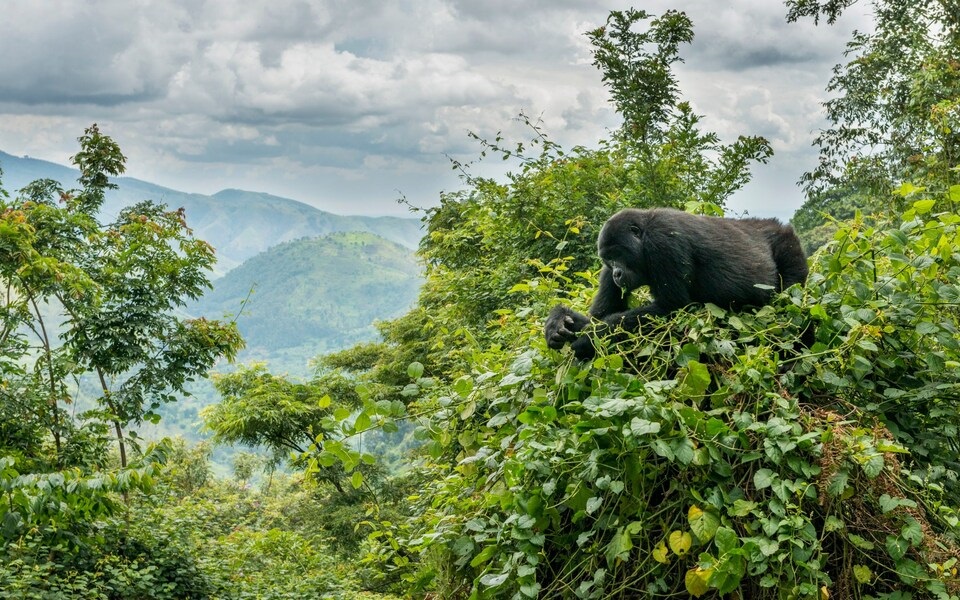
Double gorilla trekking experiences in Uganda provide comparative opportunities to observe different gorilla families and habitats while highlighting the unique characteristics of Gorilla Families In Kahuzi Biega National Park. Uganda's mountain gorilla populations in Bwindi Impenetrable Forest and Mgahinga Gorilla National Park offer different trekking experiences and gorilla behaviors. These comparative experiences help visitors appreciate the diversity within gorilla subspecies and their adaptations to different environments.
The 5-day format allows for multiple gorilla encounters in different locations, providing comprehensive understanding of gorilla behavior and conservation challenges. Visitors can observe how mountain gorillas differ from the eastern lowland Gorilla Families In Kahuzi Biega National Park in terms of size, behavior, and habitat preferences. These comparative experiences enhance appreciation for gorilla diversity and the importance of protecting different subspecies.
Uganda's well-developed tourism infrastructure provides comfortable accommodations and reliable transportation that contrast with the more adventurous conditions associated with visiting Gorilla Families In Kahuzi Biega National Park. These differences in tourism development highlight the various challenges and opportunities facing gorilla conservation in different countries. The comparative experiences help visitors understand the broader context of gorilla conservation across Central and East Africa.
What to expect on the day of gorilla trekking?
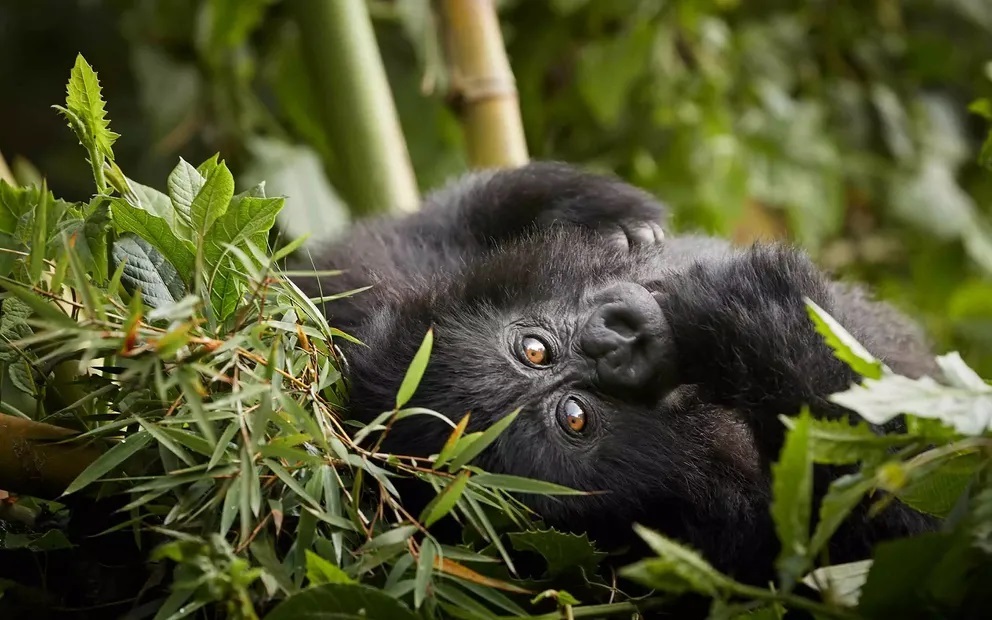
The day of gorilla trekking to encounter Gorilla Families In Kahuzi Biega National Park begins with early morning briefings at park headquarters, where guides explain safety protocols and behavioral expectations. Visitors receive detailed information about the specific family they will visit, including recent behavioral observations and current location estimates. The briefing process helps set realistic expectations while ensuring that all participants understand their responsibilities during the encounter.
The trek to locate Gorilla Families In Kahuzi Biega National Park typically begins around 8:00 AM, with small groups of maximum 8 visitors accompanied by experienced guides and armed guards. The journey through the forest provides opportunities to observe other wildlife and learn about forest ecology from knowledgeable guides. The anticipation builds as guides read signs of gorilla presence and adjust the route based on fresh tracking information.
The actual encounter with Gorilla Families In Kahuzi Biega National Park represents the culmination of the trekking experience, with one hour of observation time that passes quickly in the presence of these magnificent creatures. Photography opportunities abound as visitors observe natural behaviors including feeding, grooming, and social interactions. The emotional impact of the encounter often exceeds expectations, creating lasting memories and deeper appreciation for gorilla conservation efforts.
Why trek mountain gorillas
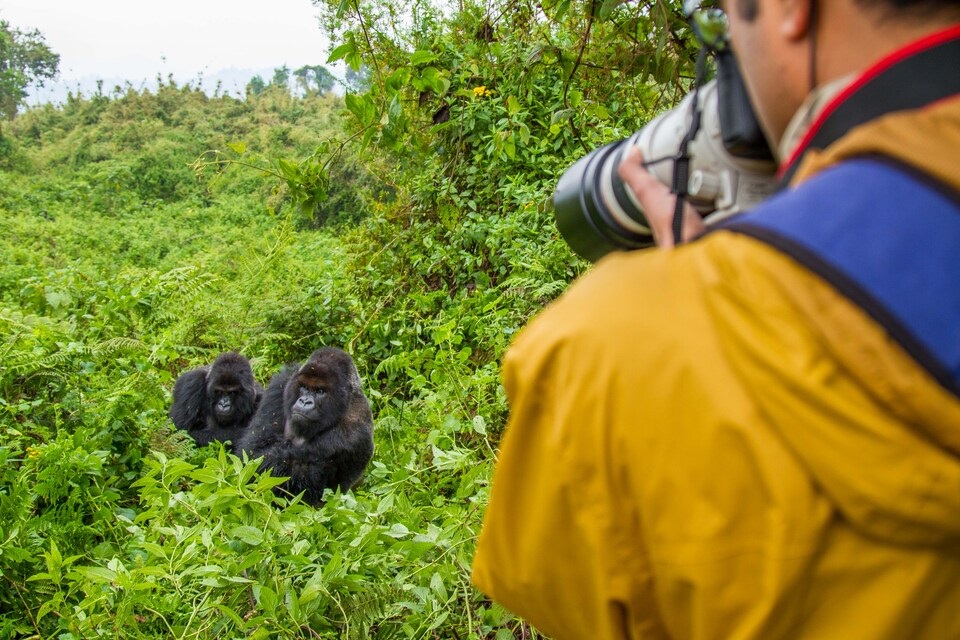
The motivation for visiting Gorilla Families In Kahuzi Biega National Park extends beyond simple wildlife observation to encompass conservation support, cultural education, and personal transformation. Tourism revenue directly supports gorilla protection efforts, anti-poaching activities, and community development programs that benefit local people. Visitors become ambassadors for gorilla conservation, spreading awareness about the challenges facing these endangered primates and their habitats.
The unique characteristics of eastern lowland gorillas make encounters with Gorilla Families In Kahuzi Biega National Park particularly valuable for understanding primate evolution and behavior. These largest members of the gorilla family display behaviors and social structures that differ from mountain gorillas, providing insights into adaptation and survival strategies. The scientific value of observing these endangered primates in their natural habitat contributes to ongoing research and conservation efforts.
The personal transformation that often occurs during encounters with Gorilla Families In Kahuzi Biega National Park creates lasting impacts on viitors' environmental awareness and conservation commitment. The intelligence and gentleness of these magnificent creatures challenges preconceptions and creates emotional connections that inspire conservation action. These powerful experiences often motivate visitors to support gorilla conservation efforts long after their visit ends.
Book your gorilla trekking permits today and join the select few who have experienced the magic of Gorilla Families In Kahuzi Biega National Park while supporting the protection of these magnificent creatures for future generations!