How to Get to Mabamba Swamp
The quickest way to understand how to get to Mabamba Swamp starts with recognizing its proximity to Entebbe International Airport - just 10 kilometers as the crow flies. Organized motorboat tours offer the fastest and most direct route, typically departing from Entebbe's lakeshore and reaching the swamp within 30-45 minutes. This boat option represents the most popular choice for visitors learning how to get to Mabamba Swamp efficiently.
The overland route provides an alternative approach to how to get to Mabamba Swamp, requiring approximately 90 minutes to cover the 50-kilometer road journey via Kisubi town. This drive takes you through rural Ugandan countryside on a mix of paved and dirt roads that can become challenging during rainy seasons. The road option appeals to travelers who enjoy scenic drives and want to experience local communities along the route.
The Nakiwogo-Sazi car ferry presents a theoretically direct option for how to get to Mabamba Swamp, but practical experience shows this often results in significant delays and frustration. Ferry schedules can be unreliable, and waiting times frequently exceed the time saved by taking this supposedly direct route. Most experienced travelers avoid this option when planning how to get to Mabamba Swamp.
Understanding these three main approaches to how to get to Mabamba Swamp helps you choose the method that best fits your schedule, budget, and travel preferences while avoiding common pitfalls that can derail your birding adventure.
Best Time to Visit Mabamba Swamp
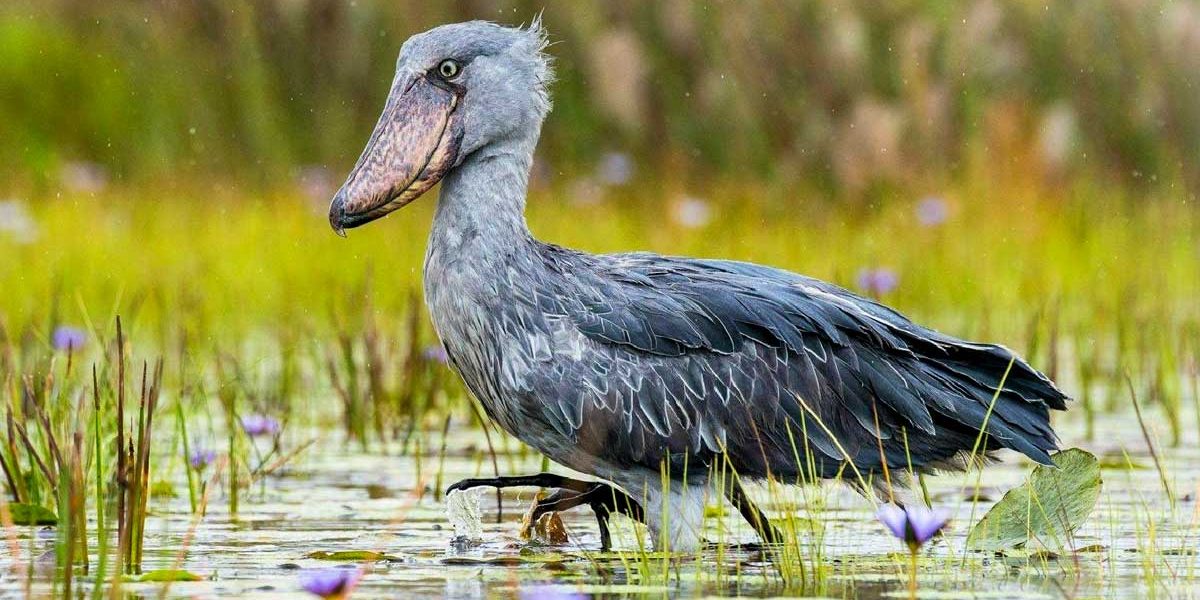
The best time to visit greatly affects how to get to Mabamba Swamp, as weather conditions impact both transportation options and wildlife viewing opportunities. August to September and December to February represent optimal visiting months when shoebills are most active and accessible to visitors. During these periods, the birds venture closer to open water areas, making them easier to spot during guided boat tours.
Understanding how to get to Mabamba Swamp during peak birding season requires advance planning, as these months attract more visitors and can affect accommodation availability. The dry conditions during these optimal months make road access more reliable and boat navigation easier through the swamp's channels. Weather patterns during these periods provide the best photography lighting and comfortable viewing conditions.
The nesting season from June to July presents challenges for those learning how to get to Mabamba Swamp, as shoebills retreat deep into the swamp's interior and become much harder to locate. Storm risks increase dramatically from March to May and October to November, making transportation more unpredictable and potentially dangerous. These weather patterns can turn a straightforward journey into a frustrating experience with cancelled boat trips and muddy road conditions.
Planning how to get to Mabamba Swamp around optimal timing ensures you'll have the best possible wildlife viewing experience while avoiding the frustrations of poor weather and inactive birds.
Mabamba Swamp and Surrounds
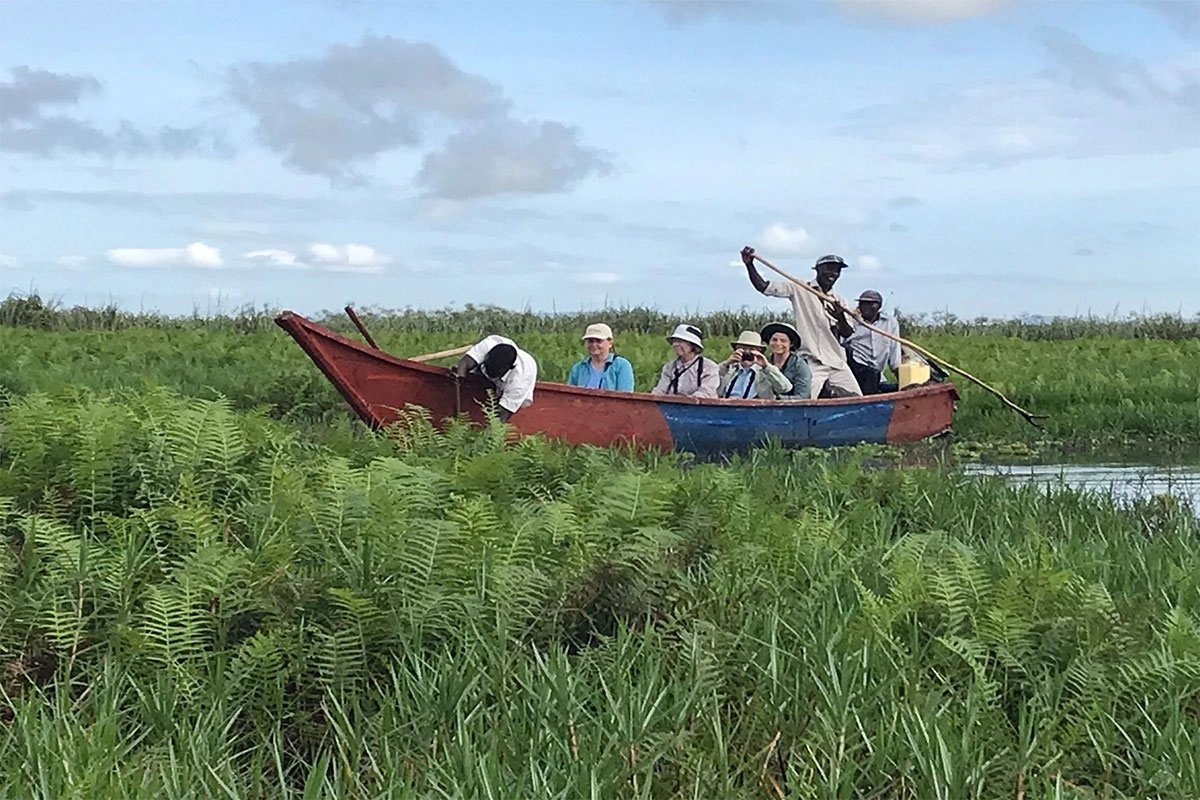
The area surrounding Mabamba Swamp influences your decision about how to get to Mabamba Swamp, as nearby attractions and facilities can enhance your overall experience. Lake Victoria's shoreline provides stunning scenery and additional birding opportunities that complement your swamp visit. Local fishing communities offer cultural insights that add depth to your understanding of the region's ecosystem and human interactions.
Exploring how to get to Mabamba Swamp reveals connections to other regional attractions like the nearby Entebbe Botanical Gardens and Uganda Wildlife Education Centre. These sites can be combined into comprehensive day trips that maximize your time in the area. The proximity to Entebbe town means you have access to restaurants, accommodations, and services that support your swamp adventure.
The swamp's location within the Lake Victoria basin affects transportation infrastructure and seasonal accessibility when planning how to get to Mabamba Swamp. Local communities have developed tourism initiatives that provide employment opportunities while protecting the wetland environment. Understanding these community partnerships helps you make informed decisions about tour operators and local guides.
Learning how to get to Mabamba Swamp within the context of the broader region helps you appreciate the conservation challenges and success stories that make this destination possible for wildlife enthusiasts worldwide.
What to See and Do in Lake Mabamba Swamp
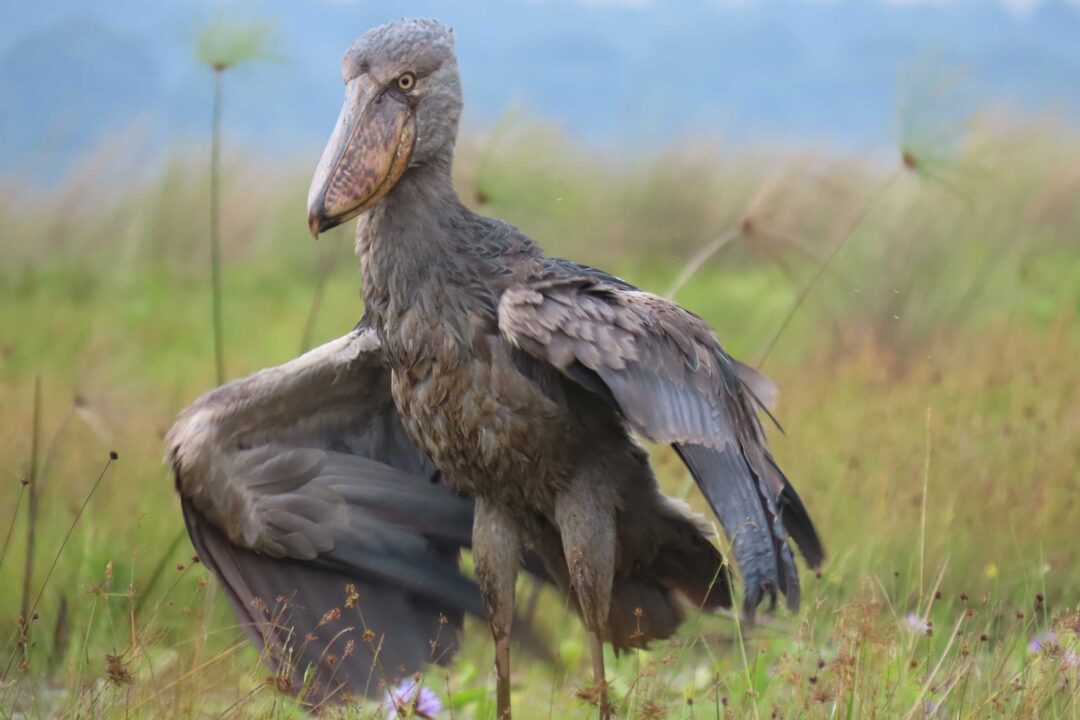
Discovering what to see and do directly impacts how to get to Mabamba Swamp, as different activities require specific transportation arrangements and timing considerations. Guided boat trips operated by the community tourism program represent the primary activity, combining motorboat travel through open water with traditional poling techniques in shallow areas. These skilled guides excel at locating shoebills and identifying the swamp's diverse bird species.
The choice between all-inclusive tours from Entebbe or independent travel affects how to get to Mabamba Swamp and your overall cost structure. All-inclusive options handle transportation, boat trips, and guiding services in one package, simplifying logistics for first-time visitors. Independent travelers can save money by arranging their own transportation and hiring local boats upon arrival.
Bird watching extends beyond the famous shoebill to include over 260 species that inhabit different zones of the swamp ecosystem when you understand how to get to Mabamba Swamp properly. Early morning and late afternoon boat trips offer the best wildlife viewing opportunities and optimal lighting for photography. The swamp's diverse habitats support everything from tiny sunbirds to massive African fish eagles.
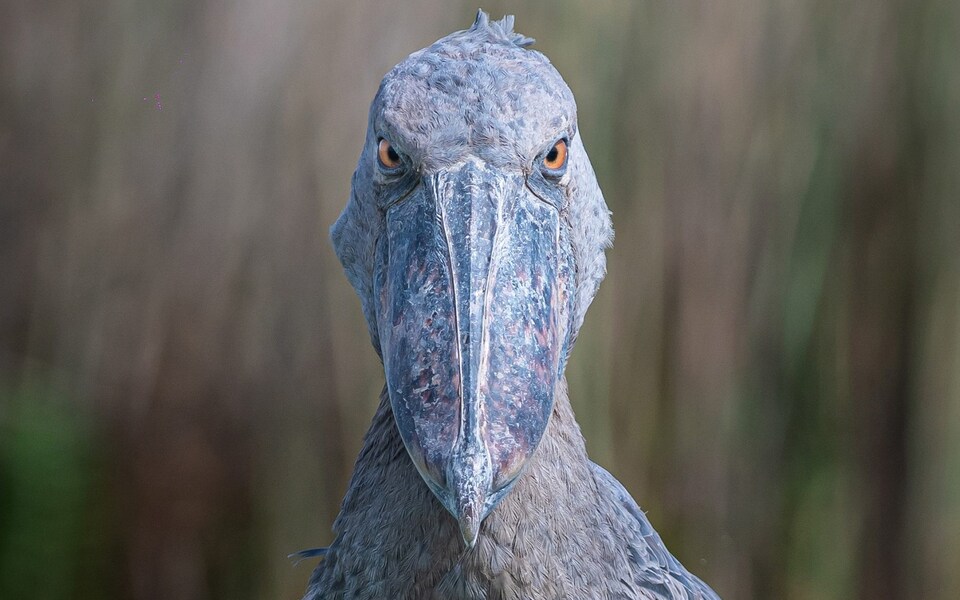
Photography opportunities abound for those who learn how to get to Mabamba Swamp with proper equipment and timing, as the prehistoric shoebill provides one of Africa's most iconic wildlife subjects against stunning wetland backdrops.
Where to Stay in and Near Mabamba Swamp
Accommodation choices significantly impact how to get to Mabamba Swamp, as your lodging location affects travel times and transportation options for early morning birding trips. Luxury options include Lake Victoria Serena Golf Resort & Spa and Protea Hotel Entebbe, both offering high-end amenities and convenient access to swamp tour departure points. These premium properties often arrange transportation and tours, simplifying how to get to Mabamba Swamp for their guests.
Mid-range accommodations like Anderita Beach Hotel and Via Via Entebbe provide comfortable stays with reasonable access to transportation options for those planning how to get to Mabamba Swamp independently. These properties often have local tour connections and can provide valuable advice about timing and logistics. The balance between cost and convenience makes these options popular with experienced travelers.
Budget travelers learning how to get to Mabamba Swamp can choose from various guesthouses and backpacker lodges in Entebbe town, including Backpackers Hostel Entebbe and various local guesthouses. Shoestring accommodations like camping sites and basic lodges require more planning but keep costs minimal while maintaining access to the swamp. Location becomes crucial when staying at budget properties, as transportation costs can quickly add up.
Your accommodation choice influences not just comfort levels but also the ease and cost of executing your plan for how to get to Mabamba Swamp, making lodging decisions an integral part of trip planning.
Where to Eat and Drink Near Mabamba Swamp
Dining options near the swamp affect your planning for how to get to Mabamba Swamp, particularly for early morning birding trips that require pre-dawn departures. Most organized tours include refreshments, but understanding local dining options helps with independent travel planning. Entebbe offers various restaurants serving both international and local cuisine that can accommodate early breakfast requests.
The Entebbe Club and Faze 3 Restaurant provide upscale dining experiences for those celebrating successful shoebill sightings after learning how to get to Mabamba Swamp. Local establishments like Gorilla Forest Cafe and various lakeside restaurants offer more casual dining with authentic Ugandan flavors. Fresh fish from Lake Victoria features prominently on most menus in the area.
Street food options around Entebbe provide budget-friendly meals for independent travelers figuring out how to get to Mabamba Swamp on a tight budget. Local markets offer fresh fruit and snacks perfect for boat trips and extended birding sessions. Alcohol availability varies by establishment, with most hotels and restaurants maintaining good selections of local and imported beverages.
Meal planning becomes important when organizing how to get to Mabamba Swamp for full-day birding adventures, as food options within the swamp itself are extremely limited and advance preparation ensures comfortable wildlife viewing experiences.
Weather and Climate of Mabamba Swamp
Understanding Mabamba's weather patterns is crucial when planning how to get to Mabamba Swamp, as climate conditions directly impact transportation options and wildlife viewing success. The equatorial location creates warm year-round temperatures with rain possible at any time, affecting both road access and boat operations. Two relatively dry seasons from December to February and June to August provide optimal conditions for swamp visits.
The wettest months of April and May create challenging conditions for those learning how to get to Mabamba Swamp, as road access becomes difficult and stormy weather can cancel boat trips. Heavy rains make dirt roads impassable and create dangerous conditions for small boats navigating the swamp channels. These weather patterns can turn carefully planned birding trips into frustrating experiences with cancelled activities.
Temperature variations remain minimal throughout the year, but humidity levels and rainfall patterns significantly affect comfort levels when executing plans for how to get to Mabamba Swamp. Early morning trips offer the most comfortable conditions for wildlife viewing before daily temperatures and humidity rise. Cloud cover and rain can dramatically impact photography opportunities and overall visitor satisfaction.
Weather monitoring becomes essential when planning how to get to Mabamba Swamp, as last-minute changes in conditions can require flexible itineraries and backup transportation arrangements to ensure successful wildlife viewing experiences.
Health and Safety When in Mabamba Swamp
Safety considerations play a vital role in planning how to get to Mabamba Swamp, as the wetland environment presents specific health risks that require preparation and awareness. Malaria prevention ranks as the top health concern, with the swamp's mosquito populations creating elevated transmission risks for visitors. Proper vaccination schedules and prophylactic medications become essential for safe travel to this destination.
Wildlife viewing safety precautions affect how to get to Mabamba Swamp, particularly regarding boat operations and close encounters with large birds like shoebills. Professional guides understand animal behavior and maintain safe distances during wildlife observations. Water safety concerns include potential bilharzia transmission from direct lake contact and the importance of wearing life jackets during boat operations.
Sun protection becomes crucial when learning how to get to Mabamba Swamp, as extended periods on open water increase UV exposure risks significantly. Adequate hydration, sun hats, and high-SPF sunscreen help prevent heat-related illnesses during full-day birding adventures. First aid preparation includes basic medications for common travel ailments and emergency contact information for medical facilities.
Personal safety measures when figuring out how to get to Mabamba Swamp include travel insurance verification, emergency communication plans, and understanding local customs and regulations that affect visitor behavior and safety protocols.
Booking a Birding Safari to Mabamba Swamp with Gorilla Pathfinders
Professional tour operators like Gorilla Pathfinders can simplify how to get to Mabamba Swamp by handling all logistics, permits, and transportation arrangements for comprehensive birding experiences. Their expertise in local conditions, seasonal variations, and wildlife behavior patterns helps optimize timing and increase shoebill sighting success rates. Experienced operators understand the complexities of swamp navigation and maintain relationships with the best local guides.
Working with established operators eliminates many frustrations associated with learning how to get to Mabamba Swamp independently, as they handle permit requirements, boat bookings, and weather contingency plans. Their local knowledge helps avoid common pitfalls like unreliable transportation providers or inexperienced guides who might miss wildlife opportunities. Professional operators often combine Mabamba visits with other regional attractions for comprehensive Uganda experiences.
Gorilla Pathfinders' birding packages typically include transportation from Kampala or Entebbe, professional guiding services, and all necessary permits for how to get to Mabamba Swamp safely and efficiently. Their relationships with local communities ensure your visit supports conservation efforts while providing authentic cultural interactions. Safety protocols and emergency procedures provide peace of mind for travelers concerned about health and security issues.
Booking with reputable operators like Gorilla Pathfinders transforms the challenge of how to get to Mabamba Swamp into a seamless adventure focused on wildlife viewing rather than logistical concerns, ensuring you maximize your chances of encountering Uganda's incredible shoebill storks.
Understanding how to get to Mabamba Swamp opens doors to one of Africa's most accessible yet spectacular birding destinations, where prehistoric shoebills await patient observers in pristine wetland habitats. Your transportation choice between boat transfers and overland routes affects both cost and experience quality, while timing your visit around optimal weather patterns dramatically improves wildlife viewing success. Professional operators can eliminate logistical headaches and increase your chances of unforgettable shoebill encounters that justify every effort invested in reaching this magical wetland sanctuary!