Fly to Brazzaville, take a charter flight north to Ouesso or Kabo, then transfer by boat or 4WD to Bomassa. Book with a local operator who handles all logistics.
Let me break down the safari of how to get to Nouabalé-Ndoki National Park because this is where things get interesting. You'll start by flying into Brazzaville, the capital of the Republic of the Congo, which connects to major African and European hubs. Most nationalities need a visa arranged well before departure, so start that process at least a month ahead of your trip.
From Brazzaville, understanding how to get to Nouabalé-Ndoki National Park involves heading north to either Ouesso or Kabo. Charter flights are your fastest option, taking about two hours compared to several days by road. The overland route requires a sturdy 4WD vehicle and should only be attempted with experienced drivers who know the terrain. I've heard stories of travelers spending three to four days on this safari during the wet season!
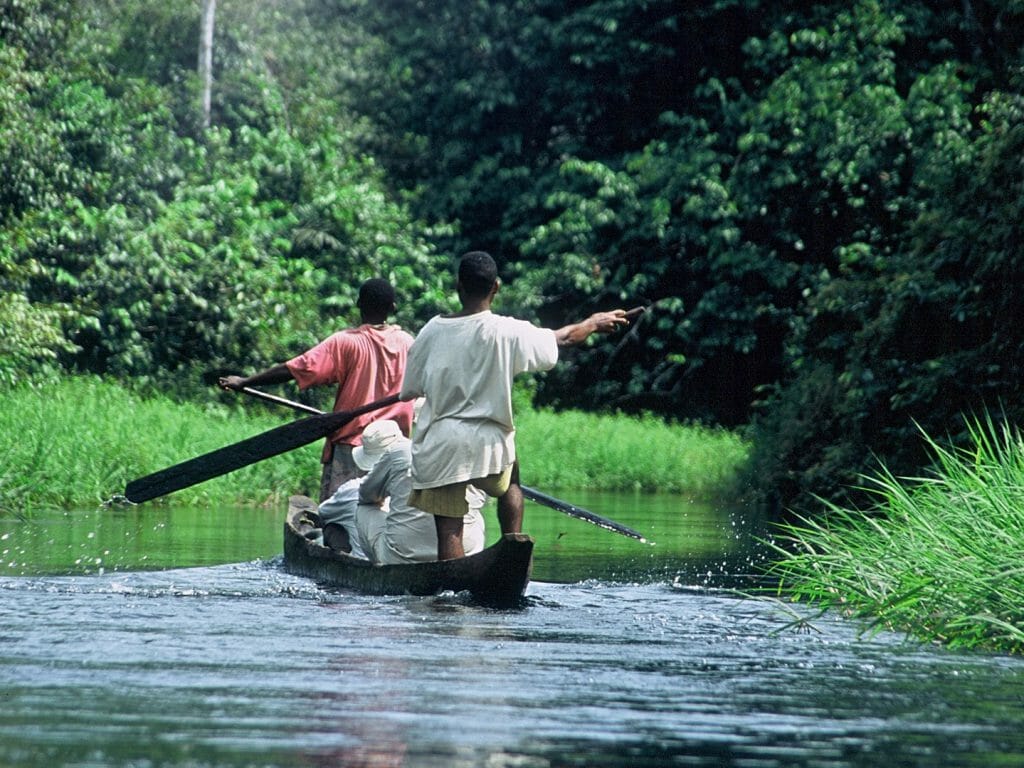
The final leg of how to get to Nouabalé-Ndoki National Park takes you from Ouesso or Kabo to Bomassa, the park headquarters. You'll travel either by pirogue boat along the Sangha River or by 4WD transfer, depending on conditions and your operator's arrangements. This last stretch usually takes several hours and offers your first glimpses of the incredible forest ecosystem you're about to explore. Working with a reliable local operator simplifies this entire process and ensures you have proper permits and logistics arranged.
Fly to Brazzaville, take a charter flight north to Ouesso or Kabo, then transfer by boat or 4WD to Bomassa. Book with a local operator who handles all logistics.
Best Time to Visit Nouabalé-Ndoki National Park
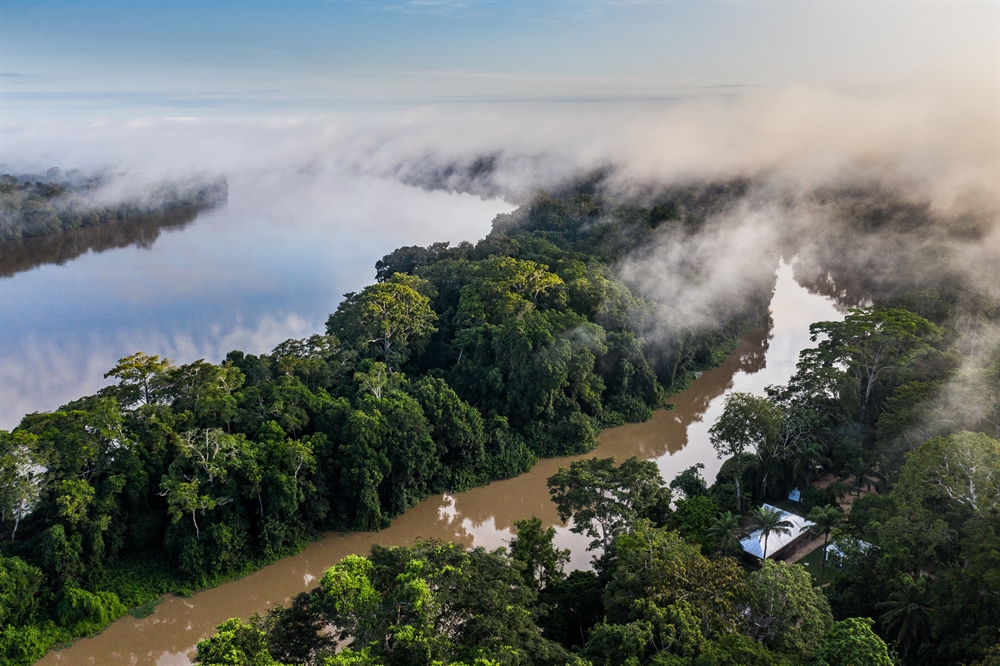
Planning when to travel makes all the difference when figuring out how to get to Nouabalé-Ndoki National Park. The dry seasons from June to September and December to February offer the best wildlife visibility and easier access to remote areas. The trails become more manageable, river crossings are safer, and you'll have better chances of spotting elephants at the famous Mbeli Bai clearing.
The rainy season from April to December brings its own charm despite the challenges of how to get to Nouabalé-Ndoki National Park during these months. Heavy downpours transform the forest into a lush green paradise, and while the humidity stays high year-round, the vegetation becomes incredibly beautiful. The rain can make river travel trickier and road access more difficult, but it also means fewer tourists and more intimate wildlife encounters.
I've talked to travelers who visited during both seasons when learning how to get to Nouabalé-Ndoki National Park, and each had different experiences. Dry season visitors loved the easier trekking conditions and consistent gorilla sightings. Wet season adventurers appreciated the dramatic thunderstorms, verdant scenery, and sense of having the forest almost entirely to themselves. Your choice depends on whether you prioritize comfort or solitude.
Visit between June and September or December and February for the best conditions. The rainy season offers lush scenery but challenging travel.
Nouabalé-Ndoki National Park and Surrounds
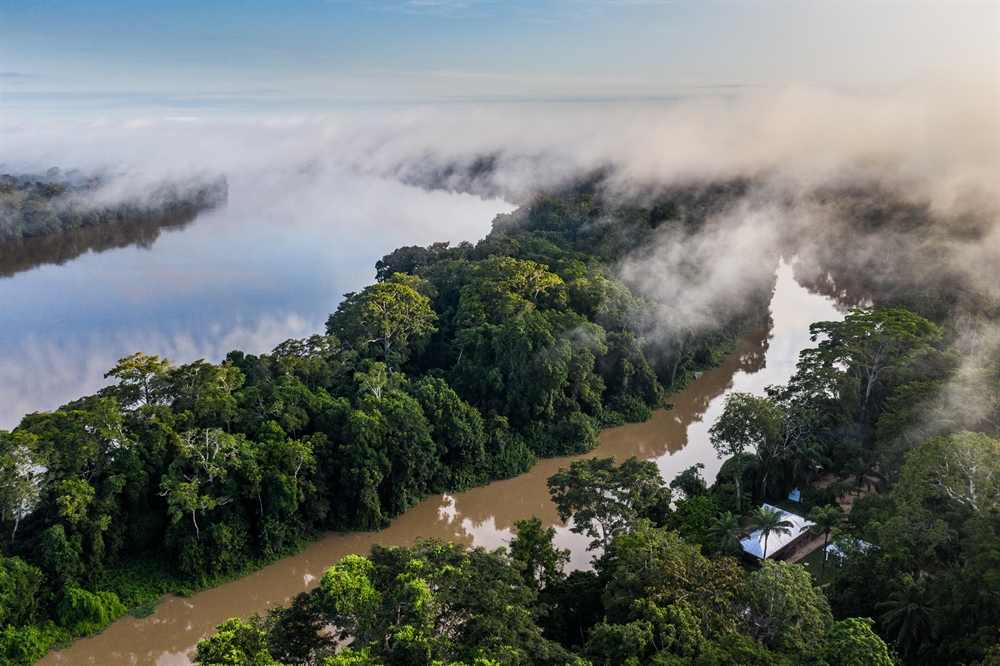
Once you've mastered how to get to Nouabalé-Ndoki National Park, you'll find yourself in a landscape that few humans have ever witnessed. This 4,000-square-kilometer wilderness spans pristine lowland rainforest, swamp forests, and open clearings called bais that attract massive concentrations of wildlife. The park forms part of the Sangha Trinational Protected Area, a UNESCO World Heritage Site shared with Central African Republic and Cameroon.
The safari of how to get to Nouabalé-Ndoki National Park leads you to what scientists call one of the last "Edens" on Earth. Large areas of the park have never been logged or significantly impacted by human activity. The forest here looks much as it did thousands of years ago, with towering trees, tangled vines, and a cathedral-like canopy overhead. The Sangha River forms the park's western boundary, providing both a natural border and a transport corridor.
Understanding how to get to Nouabalé-Ndoki National Park also means understanding the surrounding communities. The town of Bomassa serves as your base, with park offices, basic facilities, and local guides who know every trail and clearing. Small villages dot the periphery where Batwa people maintain their traditional forest knowledge. The remoteness that makes access challenging also protects this wilderness from the logging and poaching pressure affecting many other Central African forests.
The park covers 4,000 square kilometers of pristine rainforest. Bomassa serves as the main base camp. The area remains one of Africa's most untouched wilderness regions.
What to See and Do in Nouabalé-Ndoki National Park
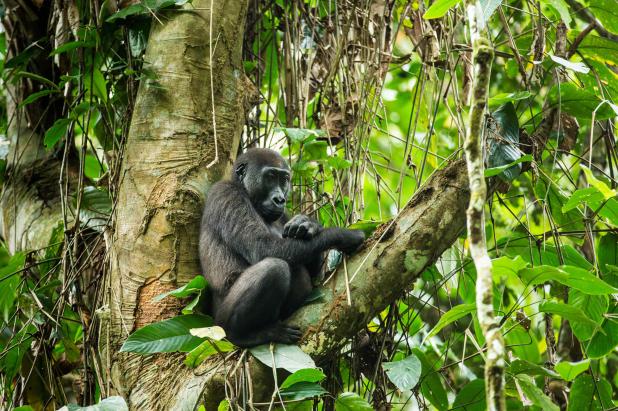
After learning how to get to Nouabalé-Ndoki National Park, the real excitement begins with gorilla trekking. You'll hike through dense jungle with researchers and expert trackers to find habituated western lowland gorillas. These encounters feel surreal—watching a silverback munch on vegetation just meters away, or seeing baby gorillas play in the trees above your head. Each trek takes two to four hours depending on where the gorillas spent the night.
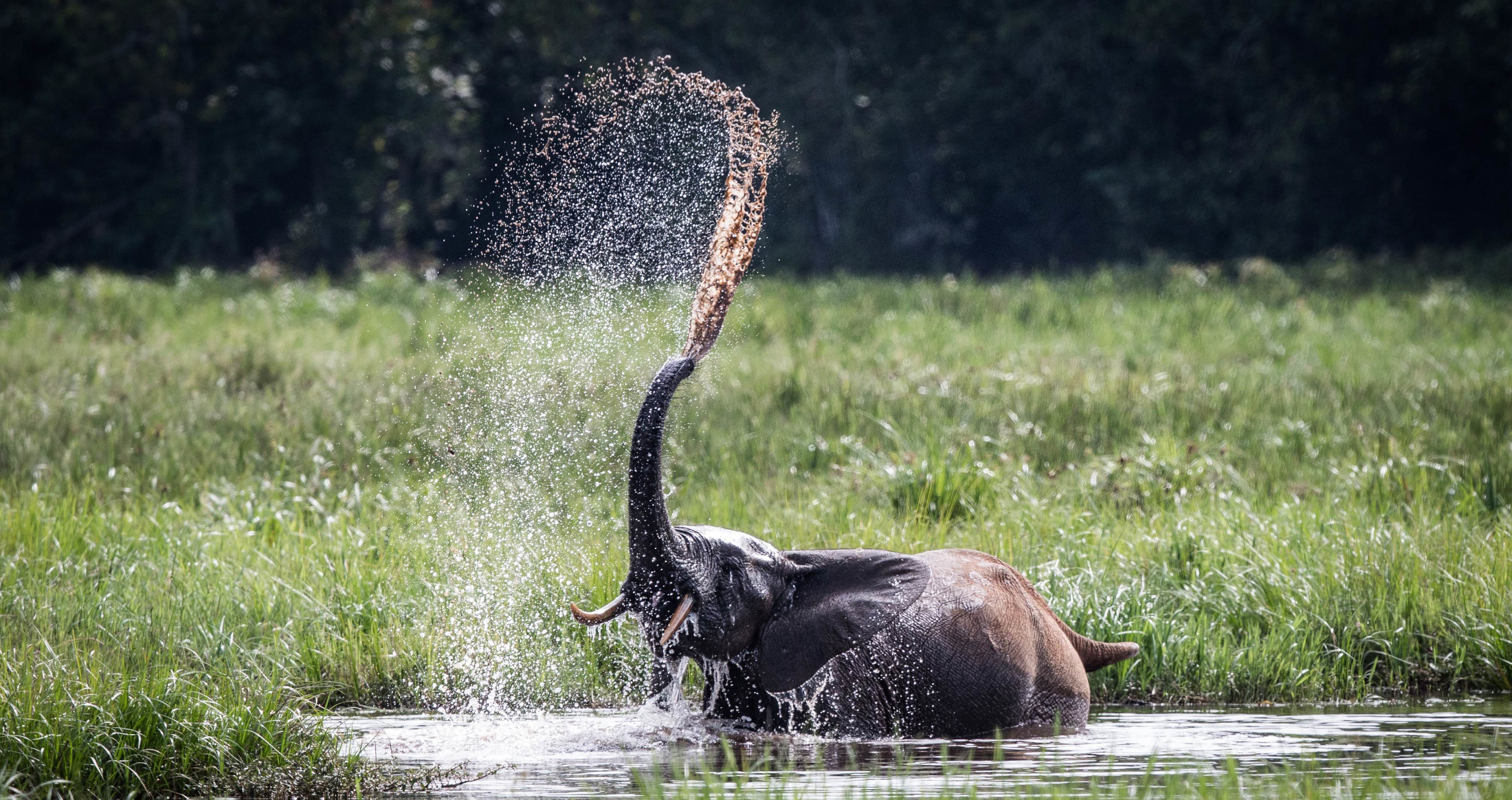
Elephant tracking is another reason to figure out how to get to Nouabalé-Ndoki National Park. Forest elephants are smaller than their savanna cousins and notoriously shy, making sightings special. Mbeli Bai, a famous forest clearing, offers the best viewing opportunities from an elevated platform where you can watch elephants, gorillas, forest buffalo, and bongos come to feed on mineral-rich soil. Scientists have been studying individuals here for decades, and guides share fascinating stories about specific animals and their families.
The activities beyond how to get to Nouabalé-Ndoki National Park include pirogue boat rides through flooded swamps, birdwatching for African Grey Parrots and eagles, and cultural experiences with the Batwa people. You can even arrange forest camping where you'll sleep in the jungle and wake to the sounds of nocturnal wildlife. I've heard from travelers that the night sounds—chirping insects, calling primates, and rustling leaves—create an atmosphere you'll never forget.
Trek to see gorillas and elephants, observe wildlife at Mbeli Bai, explore by pirogue boat, enjoy birdwatching, experience Batwa culture, and camp in the forest for a truly immersive adventure.
Where to Stay in Nouabalé-Ndoki National Park
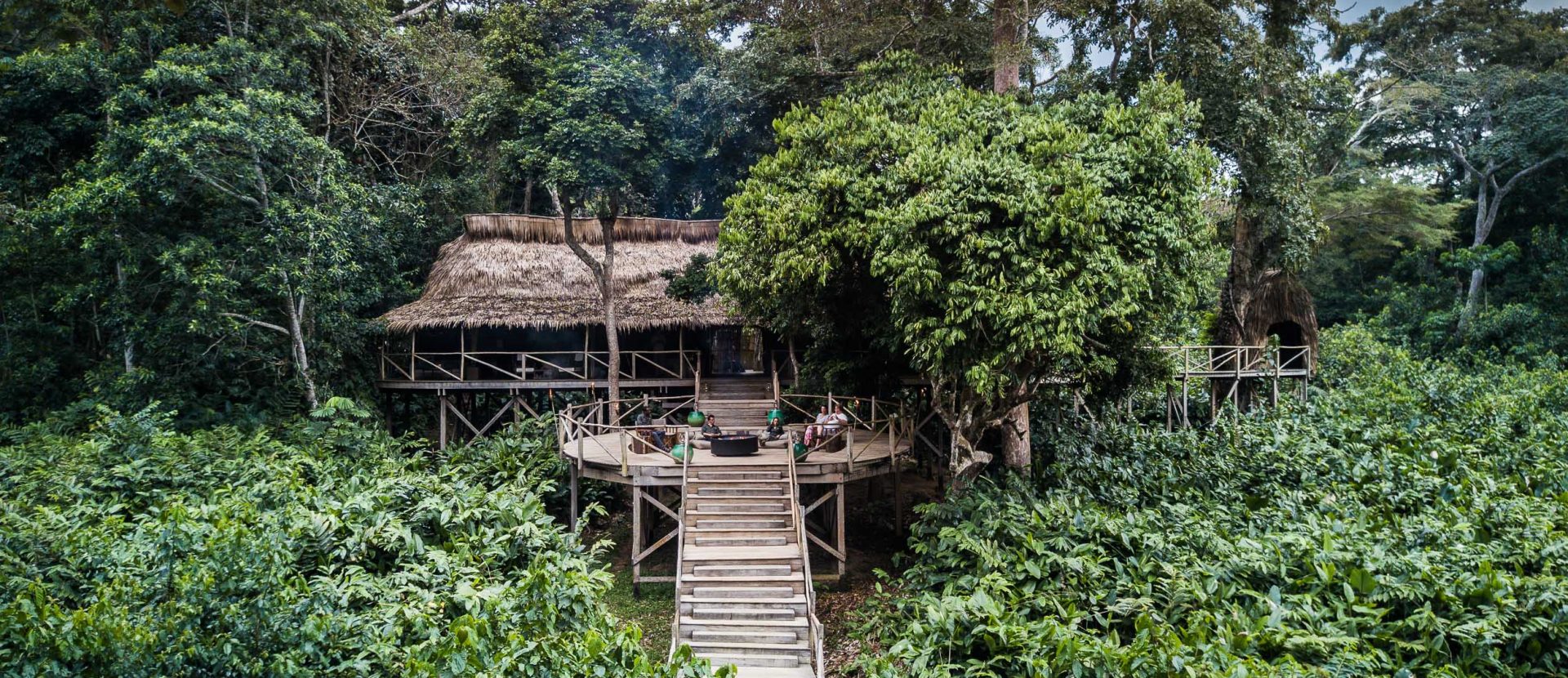
Planning accommodation is part of figuring out how to get to Nouabalé-Ndoki National Park successfully. Your options are limited compared to East African safari destinations, but each offers unique experiences. The camps here focus on authentic wilderness immersion rather than luxury amenities, which honestly makes the experience more special.
For luxury accommodations near how to get to Nouabalé-Ndoki National Park, consider Mbeli Bai Camp, which offers comfortable tented accommodation with proper beds and en-suite facilities. Sangha Lodge provides another upscale option with river views and excellent food. Mondika Research Camp sometimes accepts guests and offers an authentic research station experience. These properties typically cost $300-500 per person per night and include meals and some activities.
Mid-range and budget options for those learning how to get to Nouabalé-Ndoki National Park are scarce but available. Bomassa village has basic guesthouses charging $50-100 per night with shared facilities. Some tour operators arrange camping experiences where you stay in tents with camp beds and simple meals prepared over fires. Shoestring travelers might negotiate homestays with local families in surrounding villages, though this requires flexibility and comfort with very basic conditions. Remember that your tour package usually includes accommodation, so these choices get made when you book your operator.
Luxury camps cost $300-500 per night with proper facilities. Mid-range guesthouses in Bomassa charge $50-100. Budget camping and homestays require flexibility and basic comfort levels.
Where to Eat and Drink in Nouabalé-Ndoki National Park
Food isn't usually the first thing people think about when planning how to get to Nouabalé-Ndoki National Park, but eating well matters on any adventure! Most visitors eat meals provided by their accommodation or tour operator. The camps and lodges serve hearty food designed to fuel long treks through the forest—think rice, cassava, plantains, grilled meat or fish, and fresh tropical fruits when available.
When you're in Bomassa town near how to get to Nouabalé-Ndoki National Park, you'll find small local restaurants serving Congolese staples. Fufu (pounded cassava) with fish or goat stew is common. Street vendors sell grilled brochettes (meat skewers) and fresh bread in the mornings. The food is simple, filling, and inexpensive—expect to pay $3-8 for a full meal. Don't expect fancy presentation or extensive menus, just honest local cooking.
Drinks near how to get to Nouabalé-Ndoki National Park lean toward local beers, soft drinks, and bottled water that you should always choose over tap water. Some camps serve wine or spirits with dinner. I recommend bringing your own favorite snacks and energy bars from Brazzaville since options in Bomassa are limited. Coffee and tea are usually available at breakfast, though don't expect espresso machines or specialty brews. The focus here is fuel for your adventures, not gourmet dining experiences.
Most meals come from your lodge or tour package. Local restaurants in Bomassa serve simple Congolese food for $3-8. Bring snacks from Brazzaville and always drink bottled water.
Weather and Climate of Nouabalé-Ndoki National Park
Understanding the weather helps when planning how to get to Nouabalé-Ndoki National Park at the right time. The park experiences a hot, humid equatorial climate year-round with temperatures ranging from 22°C to 30°C (72°F to 86°F). The humidity often exceeds 80%, making the air feel thick and heavy. You'll sweat during treks no matter what season you visit!
The dry seasons from June to September and December to February still see occasional rain when you're figuring out how to get to Nouabalé-Ndoki National Park. "Dry" here means less rain, not no rain. You might experience brief afternoon showers even during these months. The wet season from April to December brings daily downpours, often in the afternoon, that can last hours. The forest transforms into a dripping, steaming wonderland where everything stays perpetually damp.
Pack for wet conditions no matter when you visit or how to get to Nouabalé-Ndoki National Park. Bring quick-dry clothing, a quality rain jacket, waterproof bags for electronics, and good hiking boots that can handle mud. I learned the hard way that cotton clothing stays wet for days in this climate—synthetic or merino wool fabrics dry faster. Nights can feel cool after hot, humid days, so pack a light fleece or long-sleeved shirt for evenings around the campfire.
Expect hot, humid conditions year-round (22-30°C/72-86°F). The dry seasons see less rain but aren't completely dry. Pack waterproof gear, quick-dry clothing, and good hiking boots regardless of when you visit.
Health and Safety During a Congo Safari to Nouabalé-Ndoki National Park
Health preparation is crucial when planning how to get to Nouabalé-Ndoki National Park safely. You'll need vaccinations for yellow fever (mandatory for entry), hepatitis A and B, typhoid, and rabies. Malaria prophylaxis is essential since the park sits in a high-risk zone. Start these medical preparations at least two months before your trip. Bring a comprehensive first aid kit including antihistamines, pain relievers, antidiarrheal medication, and any prescription medicines you need.
Safety concerns about how to get to Nouabalé-Ndoki National Park often focus on wildlife encounters, but your guides know how to keep you safe during gorilla treks and forest walks. Follow their instructions carefully. Stand still if a gorilla charges (they're usually bluffing). Give elephants plenty of space. Watch where you put your hands and feet to avoid snakes and insects. The animals here are wild, which is precisely why you're visiting, but respect and caution keep everyone safe.
General safety around how to get to Nouabalé-Ndoki National Park means working with reputable operators who understand the region. Solo travel isn't practical in this remote area. Political stability in the Republic of the Congo has improved significantly, but check current travel advisories before booking. Keep your valuables secure, carry copies of important documents, and inform someone of your itinerary. The biggest safety issues I've heard about involve travelers getting sick from poor food hygiene or not taking malaria prophylaxis seriously—both completely preventable problems.
Get yellow fever, hepatitis, typhoid, and rabies vaccines. Take malaria prophylaxis seriously. Follow guide instructions around wildlife. Work with reputable operators and check travel advisories before departure.
Booking a Congo Safari to Nouabalé-Ndoki National Park with Gorilla Pathfinders
Booking with Gorilla Pathfinders simplifies the entire process of how to get to Nouabalé-Ndoki National Park from start to finish. We handle all the complicated logistics that can overwhelm independent travelers—charter flights, river transfers, park permits, accommodation bookings, and experienced guides who know the forest intimately. You won't waste time figuring out transport schedules or wondering if you've got the right permits.
Our team knows how to get to Nouabalé-Ndoki National Park efficiently because we've done it hundreds of times. We work with trusted pilots, boat captains, and local guides who prioritize safety and environmental responsibility. Your safari package includes airport pickups, all internal transport, meals, accommodation, park fees, and guided activities. We also arrange your visa support letters and provide detailed packing lists so you arrive fully prepared.
What sets Gorilla Pathfinders apart when planning how to get to Nouabalé-Ndoki National Park is our commitment to responsible tourism. We work directly with local communities, ensuring your travel dollars support conservation efforts and provide livelihoods for people living around the park. Our small group sizes minimize environmental impact while maximizing your chances of incredible wildlife encounters. We're available 24/7 during your trip if any issues arise, giving you peace of mind in this remote location.
Gorilla Pathfinders handles all logistics for how to get to Nouabalé-Ndoki National Park including flights, permits, accommodation, and expert guides. We support local communities and conservation while providing 24/7 support during your safari.
Final Thoughts
Learning how to get to Nouabalé-Ndoki National Park might seem daunting at first glance. The visa requirements, charter flights, river crossings, and remote location require careful planning. But that's exactly what makes this destination so special! You're not just visiting another crowded safari park—you're safariing to one of Africa's last true wilderness areas where wildlife thrives undisturbed and nature still dictates the rhythm of life.
The effort of figuring out how to get to Nouabalé-Ndoki National Park pays off the moment you lock eyes with a silverback gorilla or watch forest elephants emerge from the trees at Mbeli Bai. These are experiences that less than 1,000 people enjoy each year. You'll return home with stories that make other travelers jealous and memories that last a lifetime. The pristine forests, incredible wildlife, and genuine sense of adventure create something truly unforgettable.
Ready to start planning your safari? Contact Gorilla Pathfinders today to begin organizing how to get to Nouabalé-Ndoki National Park with experts who know this region inside and out. We'll turn your Central African rainforest dreams into reality while handling every detail of your adventure. The gorillas are waiting. The forest is calling. Your expedition to one of Earth's last Edens starts now!