How to Get to Nyungwe National Park
Your trip begins at Kigali International Airport, positioned on the outskirts of Rwanda's capital city. This modern airport serves as your primary gateway into the country and the starting point for most visitors planning to reach Nyungwe National Park. The airport's location makes it convenient for immediate onward travel, whether you're renting a vehicle or joining a guided tour.
The overland route from Kigali to Nyungwe National Park covers 220 kilometers of well-maintained roads that wind through Rwanda's famous rolling hills. This 5-6 hour drive offers spectacular scenery but requires patience - Rwanda's strict 60km per hour speed limit applies throughout the country. Most visitors choose 4x4 vehicles with experienced driver-guides who know the route intimately and can share insights about the landscapes you'll encounter.
For those seeking faster access, RwandAir operates daily flights between Kigali and Kamembe Airport near Cyangugu. This domestic service reduces your travel time significantly, with just a 1.5-hour drive remaining from Kamembe to the park entrance. The flight option appeals to travelers with limited time or those who prefer aerial views of Rwanda's stunning geography.
Akagera Aviation provides charter helicopter services for the ultimate luxury experience. These helicopters can land almost anywhere in the country, offering unparalleled flexibility for your travel schedule. While expensive, helicopter transfers provide breathtaking aerial perspectives of Rwanda's landscapes and deliver you directly to accommodations near the park.
Best Time for Chimp Tracking in Nyungwe National Park
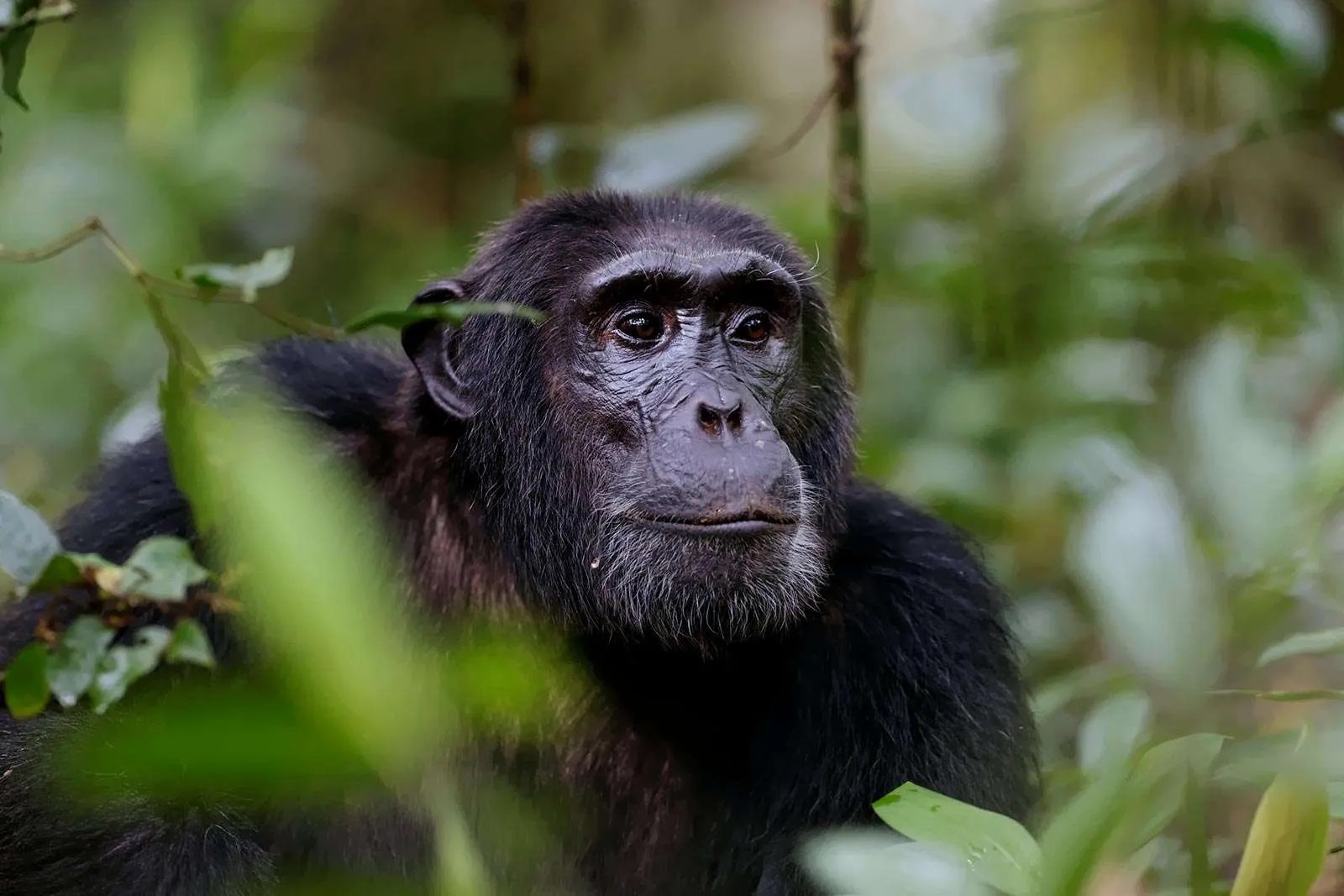
The timing of your visit can make the difference between an average experience and an absolutely magical one. Nyungwe National Park welcomes visitors year-round, but the sweet spot for chimp tracking falls during the dry months from June to September. During this period, the trails become significantly less slippery, and you won't find yourself constantly battling heavy rainfall while trying to spot our closest relatives in the wild. The frustration of missing chimp calls because of thunderous rain is real!
What makes the dry season so perfect for chimp tracking is the improved visibility and accessibility. The chimps are more active during these months, and you'll have better chances of witnessing their fascinating social interactions. The other primates - including the playful colobus monkeys - are also easier to spot when the weather cooperates. Your hiking experience becomes infinitely more enjoyable when you're not constantly worried about muddy, treacherous paths.
The wet season from October to May brings its own challenges that can test even the most patient wildlife enthusiast. Rain can start without warning, turning peaceful forest walks into slippery adventures that require serious concentration just to stay upright. While chimps remain active during these months, the thick fog and constant drizzle can make photography and observation significantly more challenging.
Planning your chimp tracking during the dry season also means you'll have more time to appreciate the forest's other wonders. The canopy walkway experience becomes far more pleasant when you're not gripping the railings due to rain-slicked surfaces. Bird watching reaches its peak during these months, with clearer views and more active species throughout the forest.
Nyungwe National Park and Surrounds
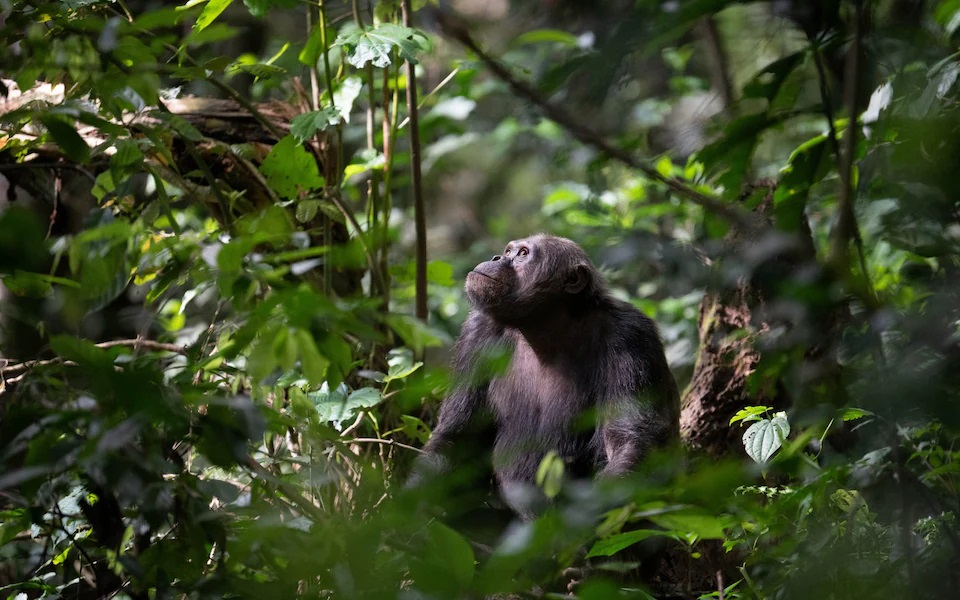
Nyungwe National Park stands as one of Africa's oldest and most pristine montane rainforests, covering over 1,000 square kilometers of ancient wilderness. The park's location in southwestern Rwanda positions it perfectly for combined itineraries with other regional attractions. Its elevation ranges from 1,600 to 2,950 meters, creating diverse ecosystems that support an incredible variety of wildlife species.
The surrounding region offers cultural experiences that complement your wildlife adventure perfectly. Local communities have lived alongside this forest for generations, developing sustainable practices that you can learn about through village visits. The nearby towns of Butare and Cyangugu provide additional accommodation options and cultural attractions for extended stays in the region.
Transportation infrastructure around Nyungwe has improved dramatically in recent years. The main road bisecting the park is fully paved, making access much easier than in previous decades. Park headquarters and visitor facilities have been upgraded to international standards, ensuring comfortable experiences for all visitors regardless of their accommodation choices.
The park's proximity to both Burundi and Democratic Republic of Congo makes it a natural stopping point for regional itineraries. Many visitors combine Nyungwe with gorilla tracking in Volcanoes National Park or game drives in Akagera National Park. This strategic location allows for comprehensive Rwanda safaris that showcase the country's incredible biodiversity.
What to See and Do in Nyungwe National Park
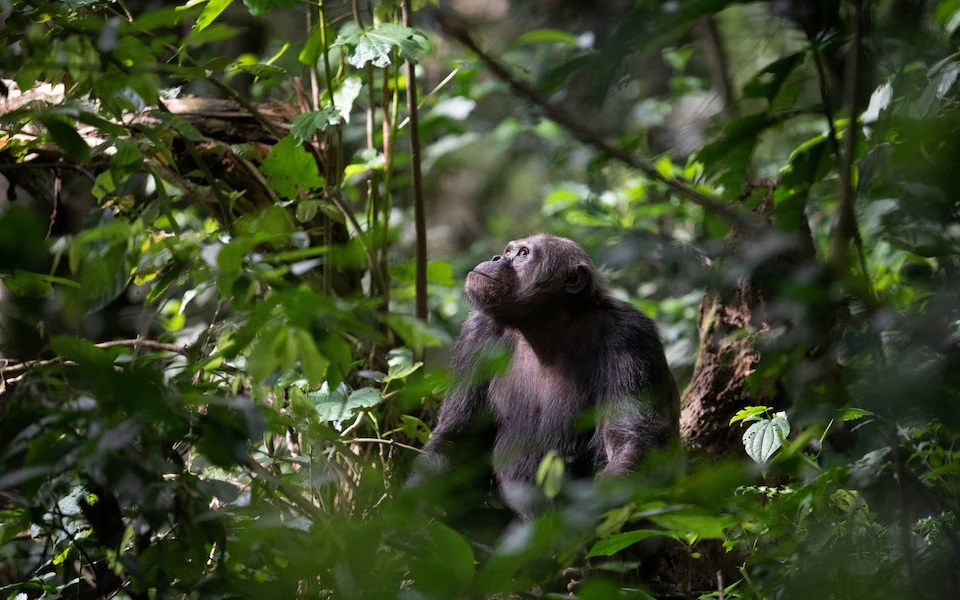
Chimp tracking stands as the park's flagship activity, offering intimate encounters with our closest living relatives. These guided treks begin early morning when chimps are most active, leading you through dense forest trails to observe their complex social behaviors. The experience can last anywhere from 2-6 hours depending on the chimps' location and movement patterns throughout the forest.
The suspended canopy walkway provides a completely different perspective of the forest ecosystem. This 90-meter walkway suspended 50 meters above the forest floor offers incredible bird watching opportunities and panoramic forest views. Walking across these suspended bridges gets your adrenaline pumping while providing unique photography opportunities that ground-based activities simply cannot match.
Waterfall hikes represent some of the park's most rewarding day activities. Multiple trails lead to spectacular cascades hidden deep within the forest, each offering different difficulty levels and scenic rewards. The most popular waterfall hikes can be completed in half-day excursions, perfect for combining with other park activities during your stay.
The new 1.8-kilometer zipline launched in 2025 adds serious excitement to Nyungwe's activity roster. This attraction allows you to soar through the forest canopy at thrilling speeds while maintaining eco-friendly operations. Bird watching reaches world-class levels throughout the park, with over 300 species recorded including numerous endemic species found nowhere else in the region.
Where to Stay in Nyungwe National Park
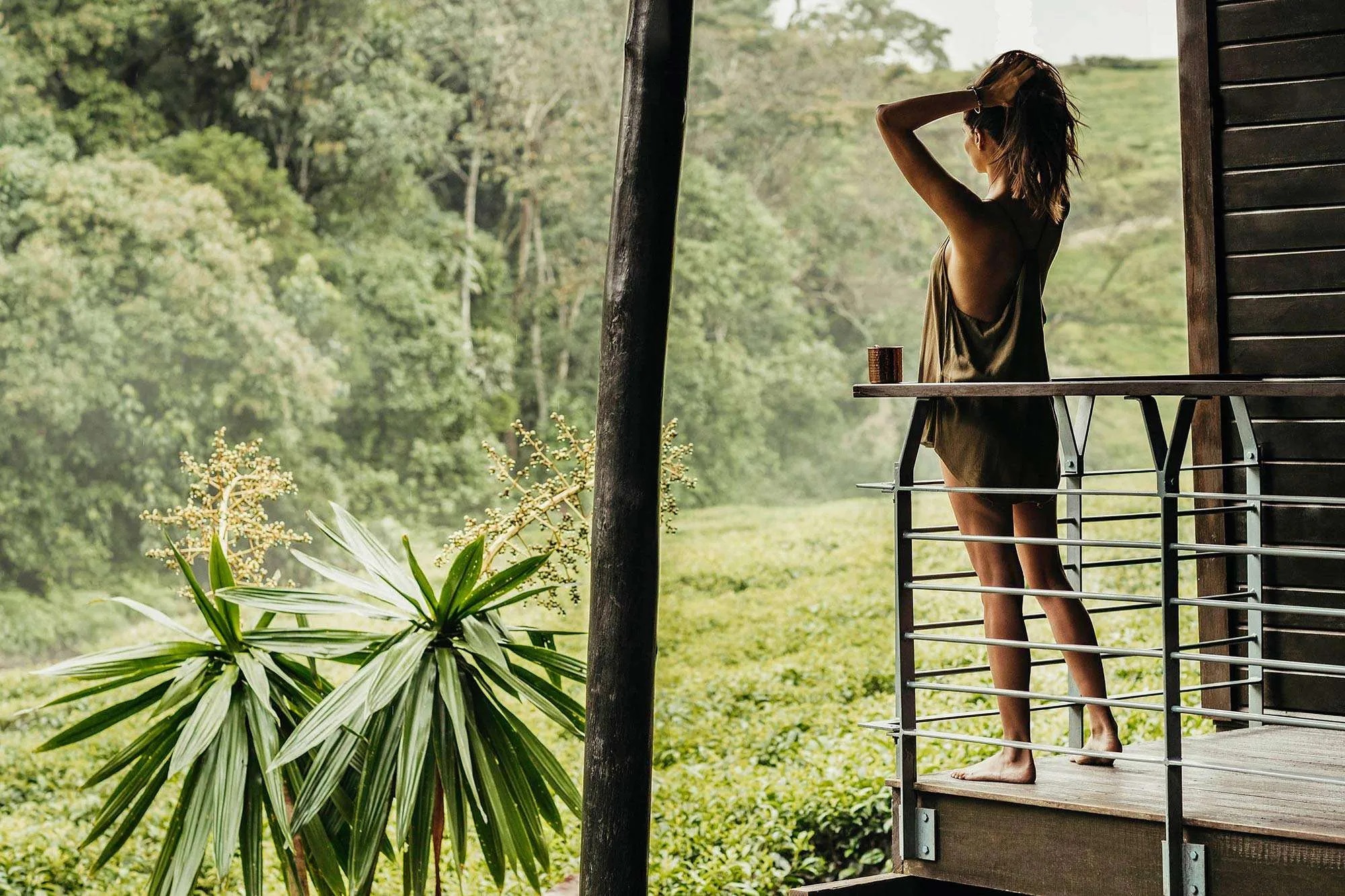
Luxury Accommodations: One&Only Nyungwe House offers the ultimate luxury experience with stunning forest views and world-class service. Nyungwe Forest Lodge provides comfortable rooms with modern amenities while maintaining environmental sustainability. Mantis Kivu Queen uBuranga offers floating accommodation on nearby Lake Kivu for a unique luxury experience.
Mid-range Options: Nyungwe Top View Hill Hotel delivers excellent value with comfortable rooms and forest proximity. EAR Ken Barham Guest House provides reliable accommodation with good meal options and helpful staff. Gisakura Guest House offers basic comfort at reasonable prices with easy park access.
Budget Accommodations: Uwinka Visitor Centre provides basic but clean accommodation right within the park boundaries. Local guesthouses in nearby Cyangugu offer affordable rooms with basic facilities for budget-conscious travelers. Community-run lodges provide authentic cultural experiences while supporting local development projects.
Booking accommodation well in advance is essential, especially during peak season from June to September. Many lodges offer package deals that include meals, guided activities, and transportation services. The proximity to park entrances varies significantly between properties, so factor travel time into your activity planning.
Where to Eat and Drink in Nyungwe National Park
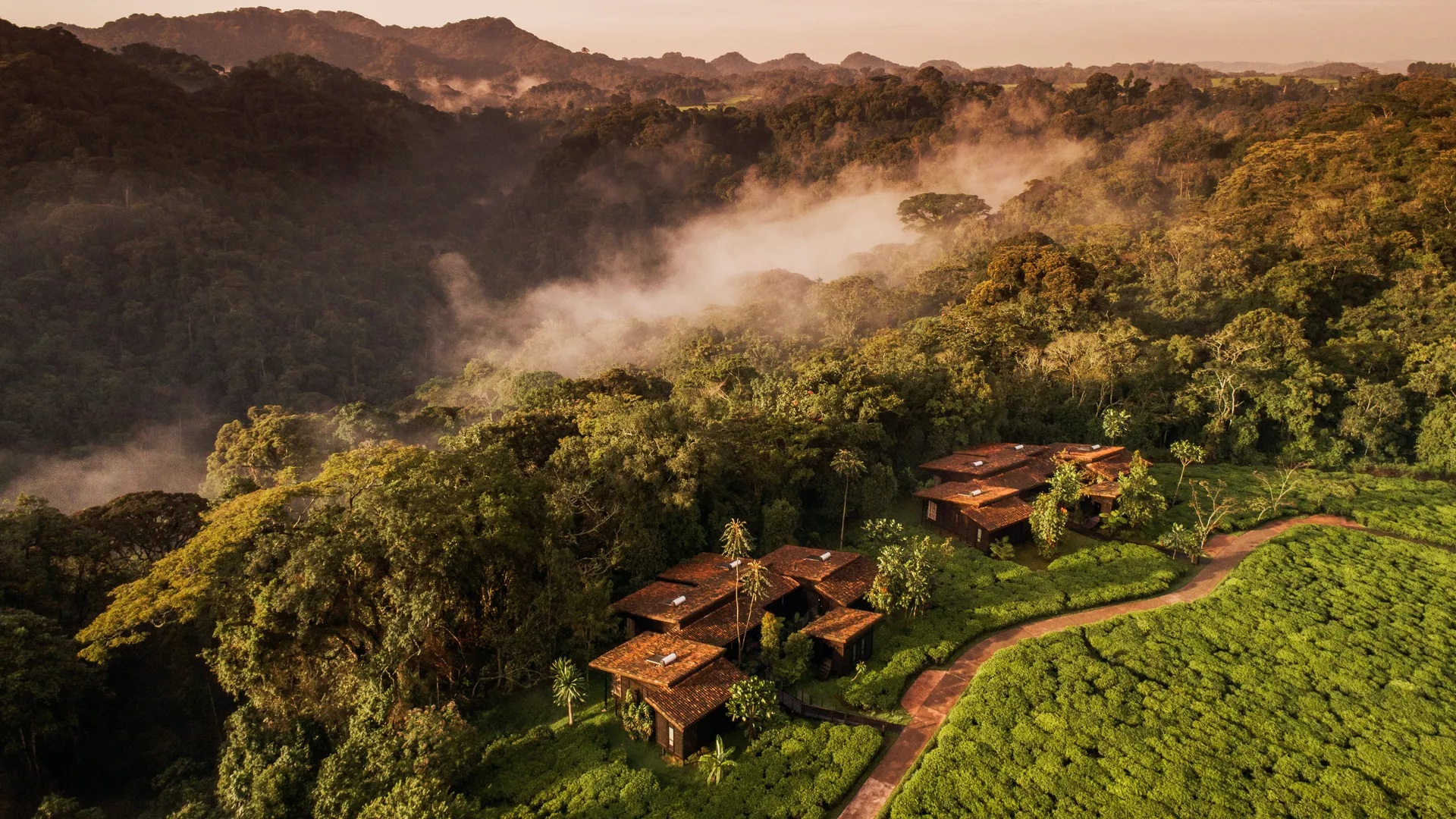
Dining options within the park remain limited, so most visitors rely on their accommodation for meals. Lodge restaurants typically serve international cuisine with local influences, using fresh ingredients sourced from nearby communities when possible. The quality varies significantly between different properties, so research dining reviews when selecting your accommodation.
Local restaurants in Cyangugu and Butare offer authentic Rwandan cuisine at reasonable prices. These establishments serve traditional dishes like ugali, beans, and locally grown vegetables that provide insight into regional food culture. Fresh fish from Lake Kivu features prominently on many menus, offering delicious alternatives to standard tourist fare.
Most accommodations can arrange packed lunches for full-day activities like chimp tracking or waterfall hikes. These meal packages typically include sandwiches, fruits, and beverages suitable for forest conditions. Dietary restrictions can usually be accommodated with advance notice, though options may be limited in more remote locations.
Alcohol availability depends heavily on your chosen accommodation level. Luxury lodges stock international wines and spirits, while budget options may only offer local beers and soft drinks. The park's remote location means that specialty items or specific brand preferences should be arranged in advance through your lodge management.
Weather and Climate of Nyungwe National Park
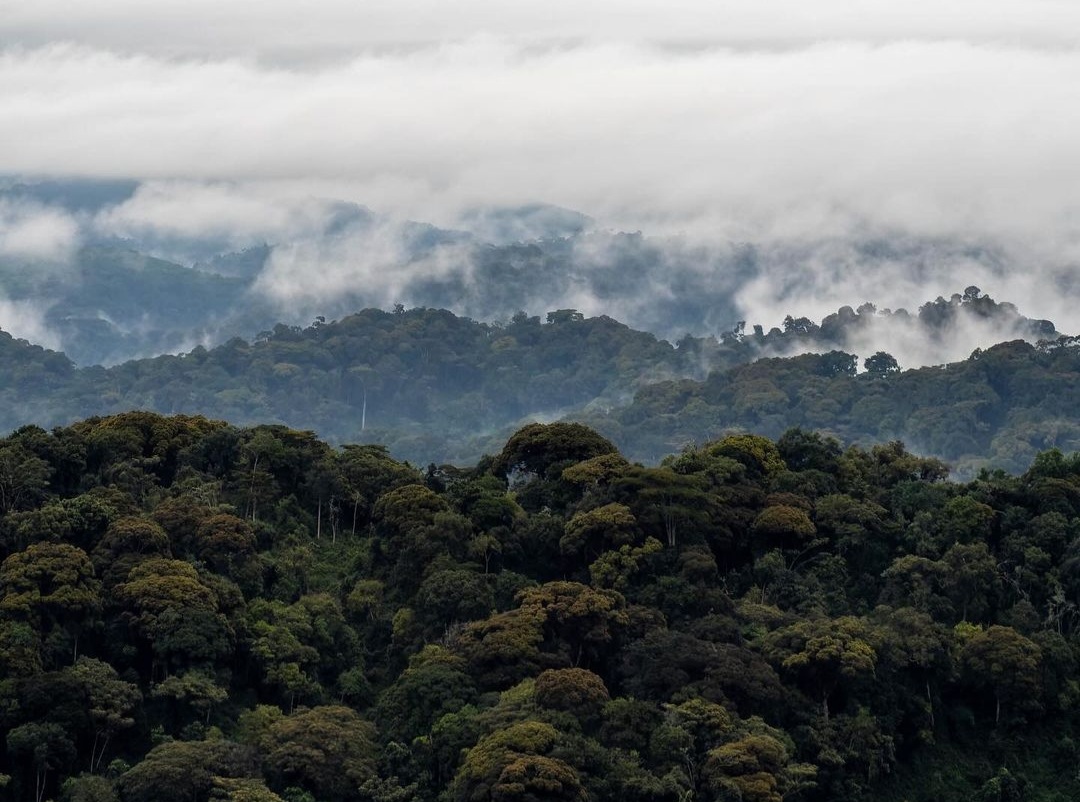
Nyungwe's high-altitude location creates a unique microclimate that differs significantly from Rwanda's general weather patterns. Temperatures remain relatively stable year-round due to equatorial proximity, but the elevation keeps things refreshingly cool compared to lower-altitude destinations. Daytime temperatures typically range from 20-25°C, dropping to 10-15°C at night.
The park's rainforest classification means precipitation can occur at any time, regardless of season. June through September represents the "dry" season, though this simply means reduced rainfall rather than completely dry conditions. During wet months, daily afternoon showers are common, often accompanied by dramatic thunderstorms that transform the forest atmosphere completely.
Humidity levels remain consistently high throughout the year, ranging from 80-95% depending on recent rainfall patterns. This creates lush growing conditions for the forest's incredible plant diversity, but requires visitors to pack appropriate clothing for comfort. Morning fog is common, especially during wet season months, creating mystical forest conditions perfect for photography.
Seasonal weather variations affect activity planning significantly. Chimp tracking during wet months requires waterproof gear and extra time for challenging trail conditions. The canopy walkway can become slippery and potentially dangerous during heavy rain periods. Understanding these weather patterns helps you pack appropriately and set realistic expectations for your activities.
Health and Safety When in Nyungwe National Park

Nyungwe National Park maintains excellent safety standards that make it one of Africa's most secure wildlife destinations. All activities are guided by professionally trained rangers who prioritize visitor safety while ensuring minimal environmental impact. The biggest safety concern you'll face involves slippery trail conditions, especially during wet weather periods when proper footwear becomes absolutely essential.
Rwanda's overall political stability and low crime rates extend throughout its national parks, including Nyungwe. Petty crime remains virtually non-existent within park boundaries, allowing you to focus completely on wildlife experiences without security concerns. Park rangers maintain regular patrols and communication systems that ensure rapid response capabilities for any emergencies that might arise.
Medical facilities within the park are limited to basic first aid capabilities provided by trained rangers and lodge staff. Serious medical emergencies require evacuation to hospitals in Butare or Kigali, which can take several hours depending on your location within the park. Travel insurance covering medical evacuation is strongly recommended for all visitors.
The park's high altitude can affect some visitors, particularly those coming directly from sea level locations. Symptoms like headaches or shortness of breath typically resolve within 24-48 hours as your body adjusts to the elevation. Staying hydrated and avoiding excessive physical exertion during your first day helps minimize altitude-related discomfort.
Booking a Rwanda Safari to Nyungwe National Park with Gorilla Pathfinders
Gorilla Pathfinders specializes in creating customized Rwanda safari experiences that combine Nyungwe National Park with other premier destinations throughout the country. Their experienced team handles all logistics including permit bookings, accommodation arrangements, and transportation coordination to ensure seamless travel experiences. Working with local specialists eliminates the stress of planning complex multi-destination itineraries while ensuring you experience Rwanda's highlights efficiently.
The company's relationships with lodge operators and park authorities mean you get priority booking for popular activities like chimp tracking permits, which often sell out months in advance. Their guides possess deep knowledge of Rwanda's wildlife, culture, and history that transforms simple game viewing into educational experiences. This local expertise proves particularly valuable in Nyungwe, where forest conditions and wildlife behavior require specialized understanding for optimal results.
Gorilla Pathfinders offers flexible itinerary options that can combine Nyungwe chimp tracking with gorilla encounters in Volcanoes National Park or traditional game drives in Akagera National Park. Their package deals often provide better value than booking components separately while ensuring proper timing between different activities. This comprehensive approach means you experience Rwanda's full wildlife diversity without logistical complications.
Their commitment to sustainable tourism practices ensures your visit benefits local communities while minimizing environmental impact. The company works directly with community projects and conservation initiatives throughout Rwanda, making your safari contribution to positive regional development. This ethical approach to safari planning appeals to responsible travelers seeking meaningful wildlife experiences.