FAQ 1: Where is Dzanga-Sangha National Park Located, and How Do I Get There?
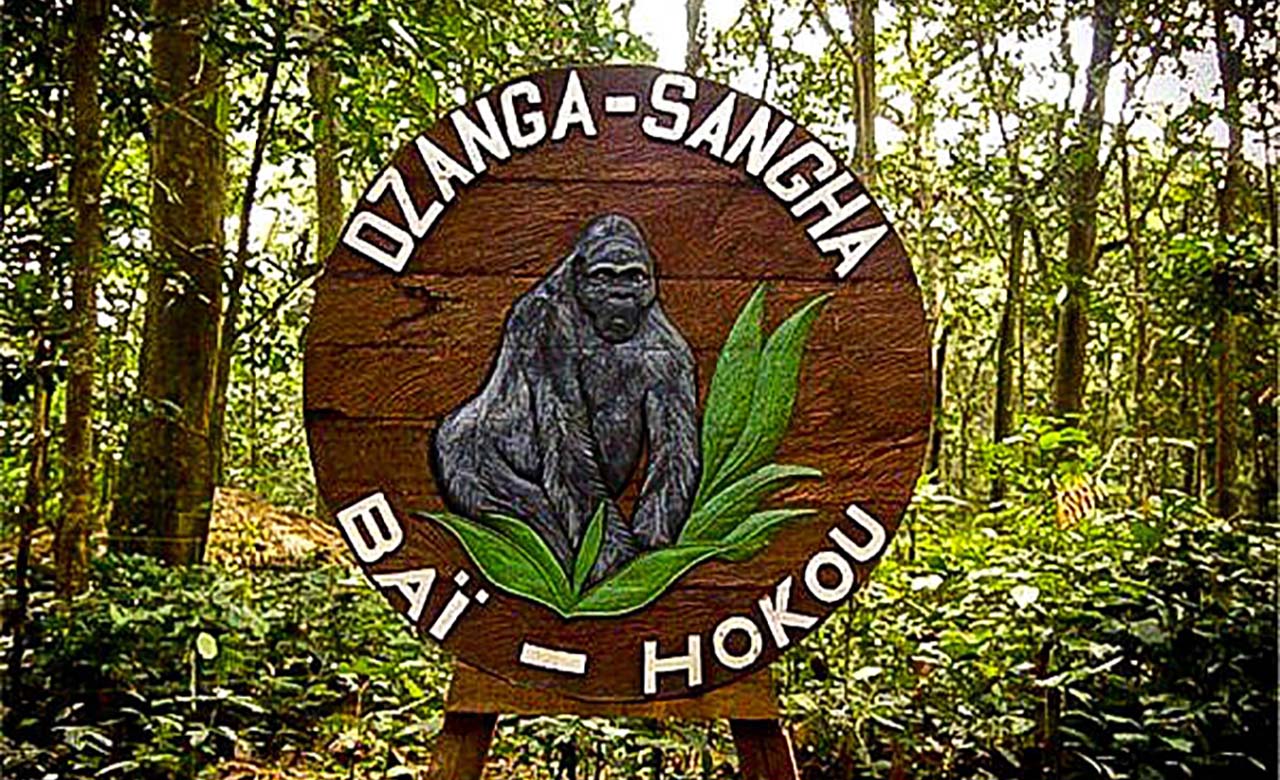
Dzanga-Sangha National Park sits in the southwestern corner of the Central African Republic, bordering both Cameroon and the Republic of Congo in the heart of the Congo Basin rainforest. The park forms part of the larger Sangha Trinational conservation area, a UNESCO World Heritage Site that spans three countries and protects over 750,000 hectares of pristine rainforest. Getting there requires careful planning since this remote destination lacks direct international flights or major transportation hubs nearby.
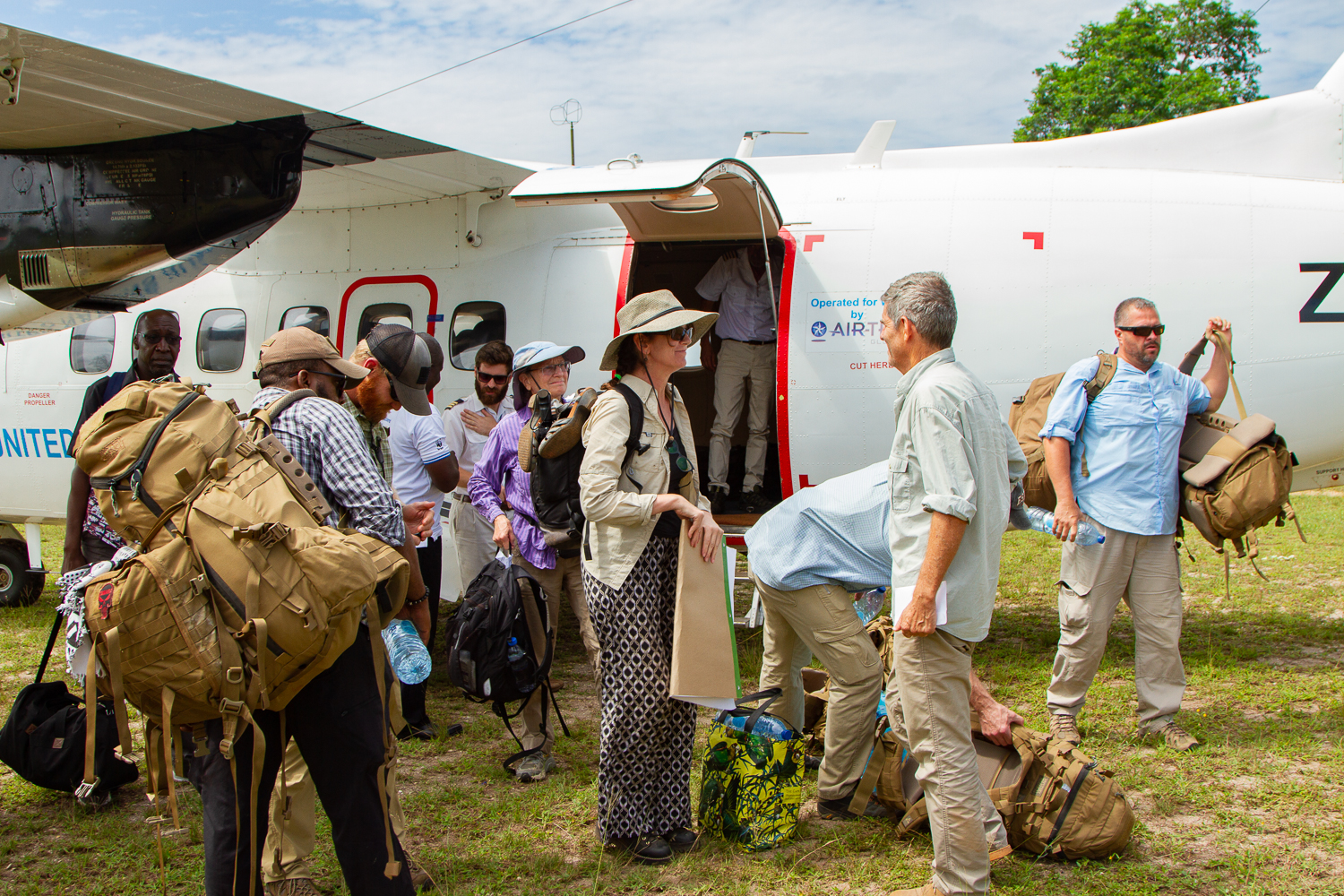
The most common route involves flying into Bangui, the capital of CAR, then taking a chartered flight to Bayanga airstrip, which serves as the gateway to the park. Alternatively, you can drive from Cameroon through Yokadouma, but this overland journey takes 8-10 hours on challenging roads that become nearly impassable during rainy season. Most visitors book organized tours that handle all transportation logistics, making these FAQs about Dzanga-Sangha National Park crucial for understanding your options.
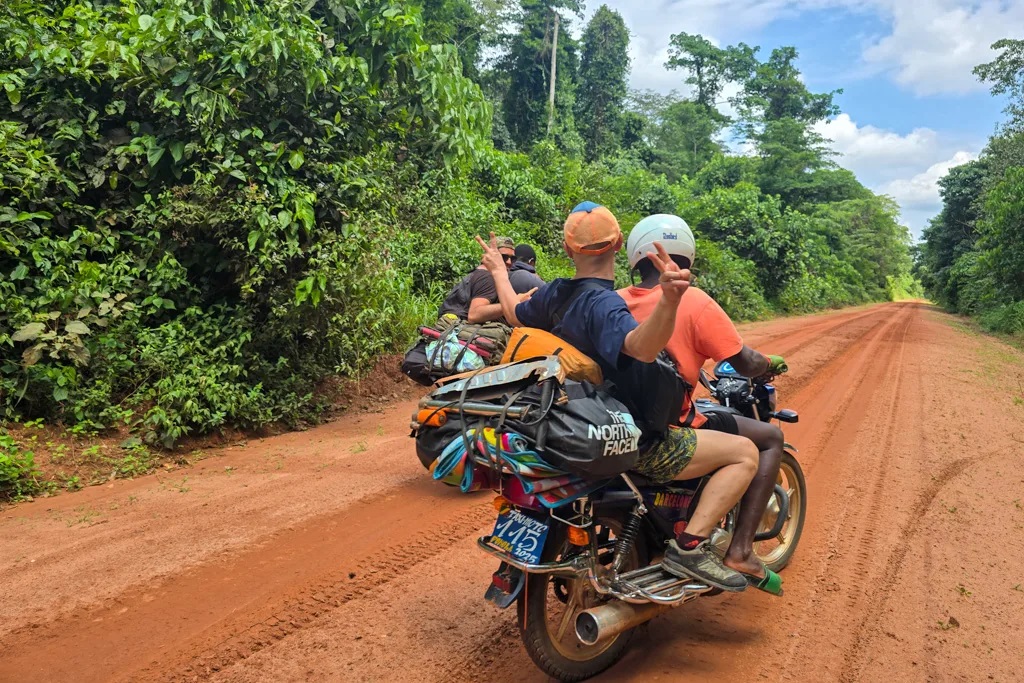
The remote location means you'll need to plan your entire trip around transportation schedules, as flights to Bayanga operate only a few times per week depending on demand and weather conditions. Road access from neighboring countries requires 4WD vehicles and experienced drivers familiar with forest tracks that can disappear during heavy rains. These transportation challenges make Dzanga-Sangha one of Africa's most exclusive destinations, but they also ensure you'll experience pristine wilderness that few people ever see.
FAQ 2: What is the Best Time of Year to Visit? Weather and Seasonal FAQs About Dzanga-Sangha National Park
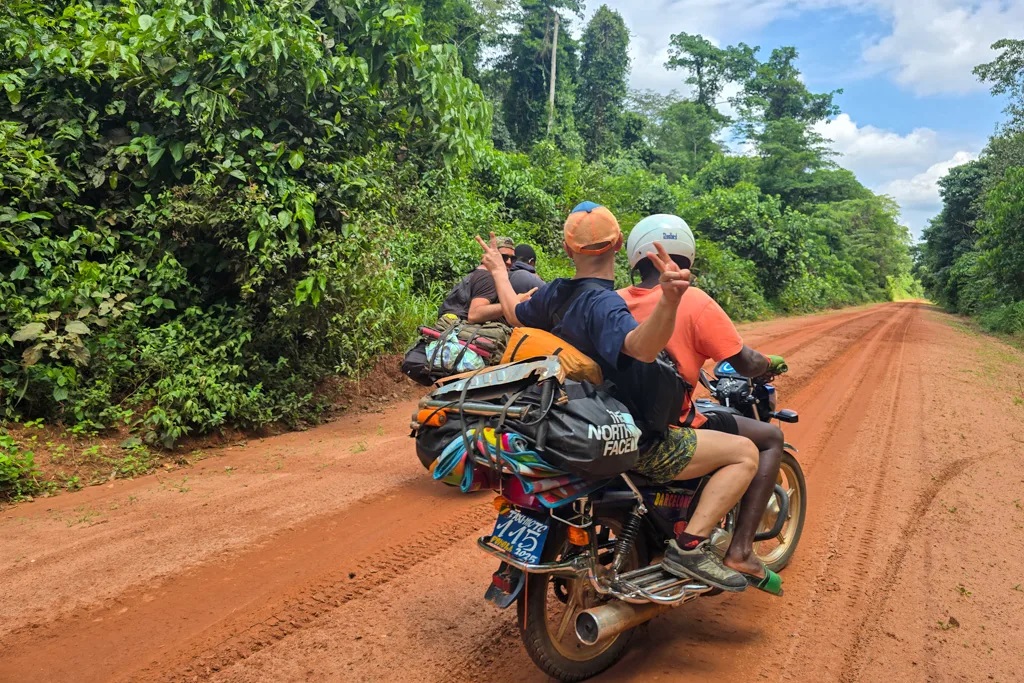
The best time to visit Dzanga-Sangha National Park is during the dry season from December to March when roads are passable and wildlife viewing conditions are optimal. During these months, reduced rainfall means forest elephants congregate around permanent water sources like Dzanga Bai, creating spectacular viewing opportunities that make this timing ideal for photographers and wildlife enthusiasts. The dry season also offers the most comfortable camping conditions with lower humidity and fewer mosquitoes.
April through November brings the rainy season with heavy downpours that can make roads impassable and forest trails extremely muddy and challenging to navigate. This period sees lush vegetation growth that can obstruct wildlife viewing, though it's also when many animals give birth and forest fruits ripen, creating different but equally rewarding experiences. These seasonal variations make timing one of the most important FAQs about Dzanga-Sangha National Park for trip planning purposes.
Rainy season visits offer advantages for serious naturalists, including better bird watching opportunities, fewer tourists, and the chance to witness the forest's incredible regenerative power after rains. Forest elephants remain active year-round but become more dispersed during wet months when water sources are abundant throughout the forest. The park's remote location means weather delays can significantly impact travel schedules, making dry season visits more predictable for first-time visitors with fixed itineraries.
FAQ 3: What Vaccinations and Visa Requirements Are Needed? Essential Health & Safety FAQs About Dzanga-Sangha National Park
Yellow fever vaccination is mandatory for entry into the Central African Republic, and you must carry your yellow fever certificate as proof of immunization when crossing international borders. Malaria prophylaxis is essential since the park lies in a high-risk malaria zone with year-round transmission, making antimalarial medication and insect repellent crucial for your health and safety. Other recommended vaccinations include hepatitis A and B, typhoid, meningitis, and ensuring your routine immunizations are current.
Tourist visas for CAR can be obtained through embassies or sometimes on arrival, though requirements change frequently and you should verify current procedures well before travel. The visa process can take several weeks, and some nationalities may require letters of invitation or proof of tour bookings to obtain entry permits. These bureaucratic requirements make health and visa planning some of the most crucial FAQs about Dzanga-Sangha National Park for international visitors.
Travel insurance with emergency evacuation coverage is highly recommended since medical facilities in the region are limited and serious injuries may require evacuation to better-equipped hospitals in neighboring countries. The park's remote location means emergency services are hours away, making comprehensive first aid training valuable for guides and visitors. Water purification tablets, anti-diarrheal medication, and basic first aid supplies should be included in every visitor's medical kit for this wilderness adventure.
FAQ 4: What Kind of Wildlife Can I Expect to See? Our Top Animal Encounter FAQs About Dzanga-Sangha National Park
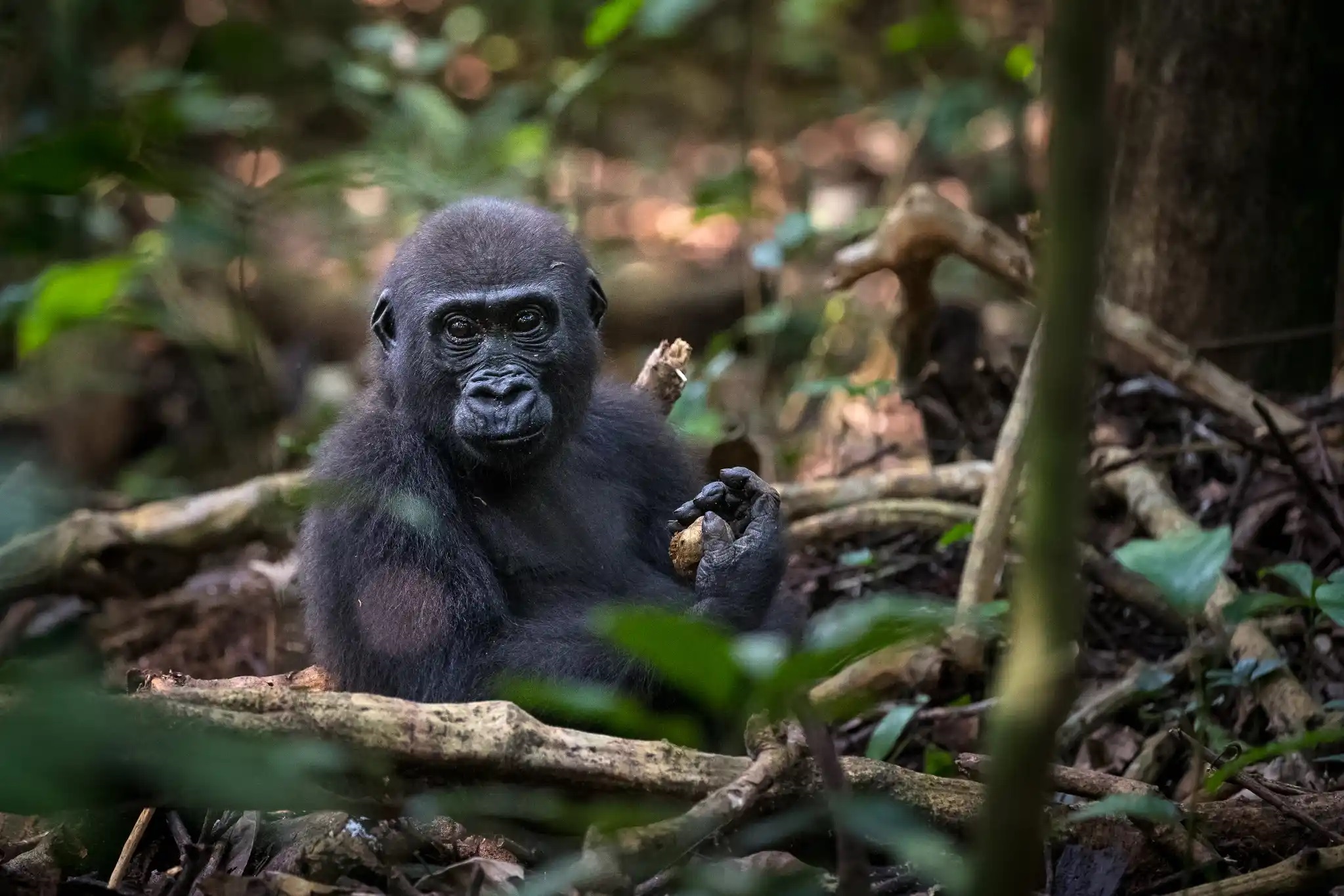
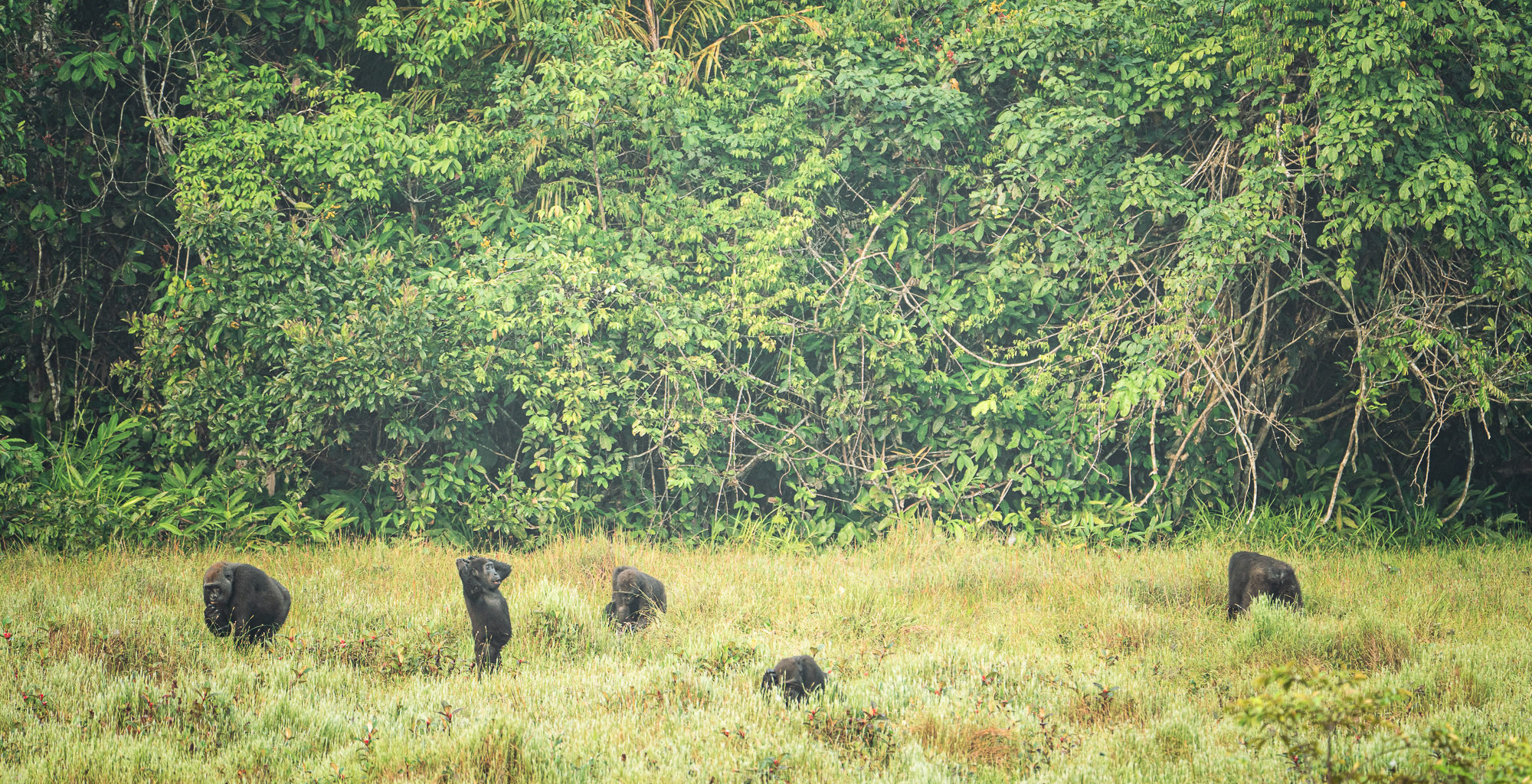
Dzanga-Sangha National Park protects incredible biodiversity including western lowland gorillas, forest elephants, giant forest hogs, bongo antelopes, and over 350 bird species that make it one of Central Africa's premier wildlife destinations. The park's star attraction is Dzanga Bai, a large forest clearing where dozens of forest elephants gather daily to drink mineral-rich water and socialize in one of Africa's most spectacular wildlife displays. Gorilla tracking expeditions offer chances to observe habituated western lowland gorilla families in their natural forest habitat.
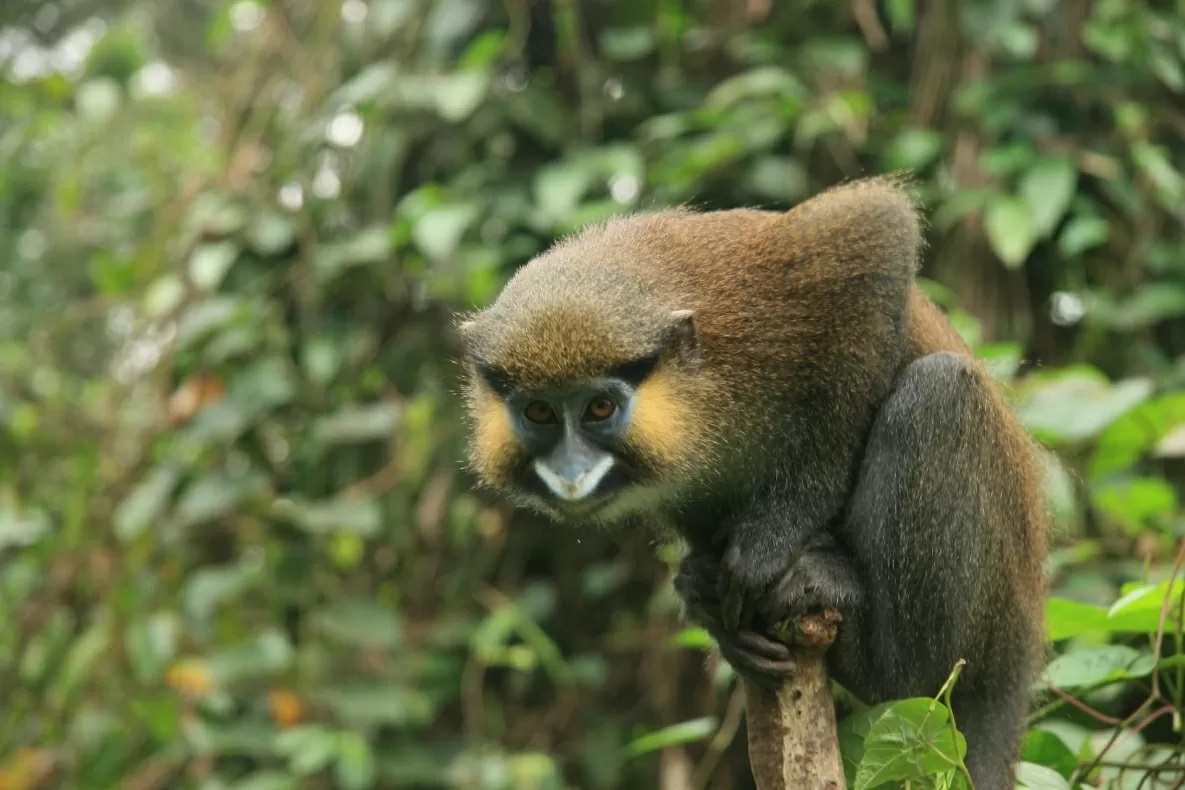
Primate diversity includes 16 species ranging from tiny putty-nosed monkeys to massive western lowland gorillas, with chimpanzees, mangabeys, and various colobus species creating constant activity in the forest canopy. Large mammals like forest buffalo, sitatunga antelope, and leopards inhabit the park but require patience and luck to observe due to the dense vegetation and their secretive nature. These wildlife encounters represent the most exciting FAQs about Dzanga-Sangha National Park for animal lovers planning their adventure.
Night walks reveal nocturnal species including various bat species, pottos, galagos, and the elusive golden cat that rarely appears during daylight hours. Bird watching yields incredible results with species like African grey parrots, great blue turacos, and various sunbird species that thrive in the forest's diverse microhabitats. The park's pristine condition means wildlife behaves naturally without fear of humans, creating authentic encounters that surpass zoo or game park experiences.
FAQ 5: Can I Visit the Ba'Aka Pygmy Communities? Cultural FAQs About Dzanga-Sangha National Park
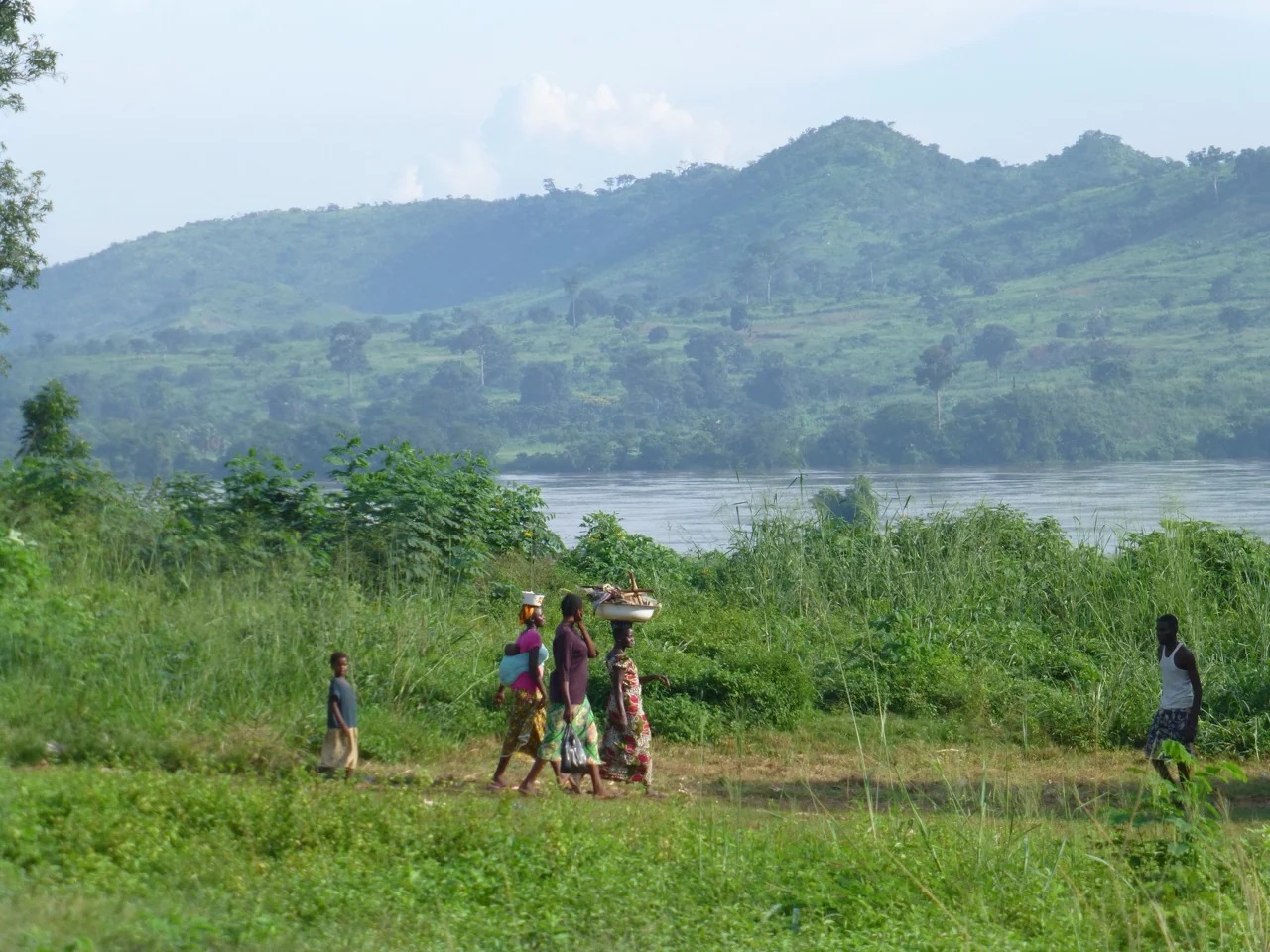
Yes, visiting Ba'Aka Pygmy communities represents one of the most meaningful cultural experiences available in Central Africa, offering authentic insights into traditional forest lifestyles that have existed for thousands of years. The Ba'Aka people, also known as forest people, possess incredible knowledge about rainforest ecology, medicinal plants, and sustainable hunting practices that modern conservation efforts now recognize as invaluable. Community visits must be arranged through authorized guides who ensure visits benefit local people directly through fair compensation.
These cultural exchanges include demonstrations of traditional hunting techniques, net-making, honey gathering, and medicinal plant preparation that showcase the Ba'Aka's deep connection to their forest environment. Music and dance performances feature traditional polyphonic singing and unique instruments made from forest materials that create haunting melodies echoing through the trees. These authentic experiences make cultural visits among the most requested FAQs about Dzanga-Sangha National Park for travelers seeking meaningful connections.
The Ba'Aka communities face modern challenges as their traditional territories shrink and outside influences change their ancient lifestyles. Responsible tourism provides alternative income sources while preserving traditional knowledge and culture for future generations. Visitors should approach these encounters with respect and understanding, recognizing that these communities are not tourist attractions but living cultures adapting to rapidly changing circumstances while maintaining their forest heritage.
FAQ 6: What Are the Accommodation Options Like? Lodging and Camping FAQs About Dzanga-Sangha National Park
Accommodation options in Dzanga-Sangha range from basic camping to comfortable eco-lodges, though all options embrace the rustic nature of this remote wilderness destination. Doli Lodge offers the most comfortable accommodations with raised platforms, private bathrooms, and generator-powered electricity in the evenings, providing a good balance between comfort and adventure. Budget travelers can camp at designated sites with basic facilities including shared bathrooms and communal cooking areas.
The Sangha Lodge provides mid-range accommodations in traditional-style huts with mosquito nets, shared bathrooms, and communal dining areas where guests gather to share stories of their daily adventures. Luxury is relative in this remote location, with the most upscale options offering private bathrooms, better bedding, and slightly more spacious accommodations but still maintaining the authentic wilderness experience. These accommodation choices represent practical FAQs about Dzanga-Sangha National Park for travelers with varying comfort preferences and budgets.
All accommodations operate on generator power with limited electricity hours, typically in the evenings for lighting and charging electronic devices. Water is usually heated by solar or gas, and meals feature local ingredients prepared by local cooks who create surprisingly good cuisine given the remote location. The lack of modern amenities like WiFi, air conditioning, or 24-hour electricity enhances the wilderness experience while reminding visitors they're truly off the grid.
FAQ 7: Is It a Family-Friendly Destination? Traveling with Children FAQs About Dzanga-Sangha National Park
Dzanga-Sangha can be family-friendly for adventurous families with older children, but the remote location, challenging conditions, and required vaccinations make it unsuitable for very young children or families seeking comfortable amenities. Children over 12 who enjoy outdoor activities, wildlife, and cultural experiences will find this destination incredibly educational and exciting. The park's pristine condition means children experience untouched nature rarely found in today's developed world.
Safety considerations include malaria risk, limited medical facilities, challenging terrain, and the physical demands of forest walks that require good fitness levels and outdoor experience. Children must be mature enough to follow safety instructions precisely, especially around wildlife and during forest activities where getting separated from groups could be dangerous. These family considerations make child-related questions important FAQs about Dzanga-Sangha National Park for parents considering this adventure.
Educational opportunities include learning about rainforest ecology, traditional cultures, conservation challenges, and wildlife behavior that create lasting memories and environmental awareness. Many families find that sharing this wilderness adventure strengthens family bonds while creating stories they'll tell for years. The absence of modern distractions like television, internet, and shopping means families spend quality time together experiencing one of Africa's last great wildernesses.
FAQ 8: How Much Does a Trip Typically Cost? Budget and Planning FAQs About Dzanga-Sangha National Park
A typical week-long trip to Dzanga-Sangha National Park costs between $3,000-$5,000 per person including flights, accommodations, meals, guide services, and park fees, making it one of Africa's more expensive wildlife destinations due to its remote location and limited infrastructure. Budget travelers can reduce costs by camping, joining group tours, and choosing basic accommodations, but transportation costs remain fixed due to charter flight requirements. Luxury travelers might spend $6,000-$8,000 per person for private guides, better accommodations, and exclusive experiences.
The cost breakdown typically includes charter flights ($800-1,200), accommodation ($50-150 per night), meals ($30-50 per day), guide services ($100-200 per day), and park fees ($50-100). These fixed costs make solo travel expensive while group travel offers significant savings through shared charter flights and guide services. Cost considerations rank among the most practical FAQs about Dzanga-Sangha National Park for travelers planning their budgets.
Additional expenses include international flights to Bangui, visa fees, vaccinations, travel insurance, and equipment purchases that can add $1,000-2,000 to total trip costs. Some tour operators offer all-inclusive packages that simplify budgeting while ensuring all logistics are handled professionally. The high costs reflect the destination's exclusivity and the significant expenses required to operate tourism in such a remote location while supporting local communities and conservation efforts.
FAQ 9: What Should I Pack for a Jungle Expedition? Essential Gear FAQs About Dzanga-Sangha National Park
Packing for Dzanga-Sangha requires careful consideration of the tropical climate, remote location, and outdoor activities that demand specific equipment for comfort and safety. Essential clothing includes lightweight, quick-dry pants and shirts in neutral colors, a waterproof rain jacket, sturdy hiking boots, and multiple pairs of moisture-wicking socks that can handle muddy forest conditions. Insect protection through long sleeves, pants, and high DEET repellent is crucial for preventing malaria and other insect-borne diseases.
Technical equipment includes a high-quality headlamp with extra batteries, water purification tablets, a comprehensive first aid kit, and camera equipment in waterproof cases to protect against humidity and rain. Binoculars enhance wildlife viewing while a good field guide helps identify species encountered during forest walks and animal observations. These packing considerations represent essential FAQs about Dzanga-Sangha National Park for ensuring comfort and safety in challenging conditions.
Personal items should include sunscreen, antimalarial medication, yellow fever vaccination certificate, multiple copies of passport and visa, and sufficient cash since credit cards aren't accepted in this remote location. Pack light but thoroughly since baggage restrictions on charter flights limit what you can bring, and replacement items aren't available locally. Everything you bring should serve multiple purposes and withstand hot, humid conditions with frequent rain and mud exposure.
FAQ 10: How Does Tourism Help Conservation? The Most Important FAQs About Dzanga-Sangha National Park's Impact
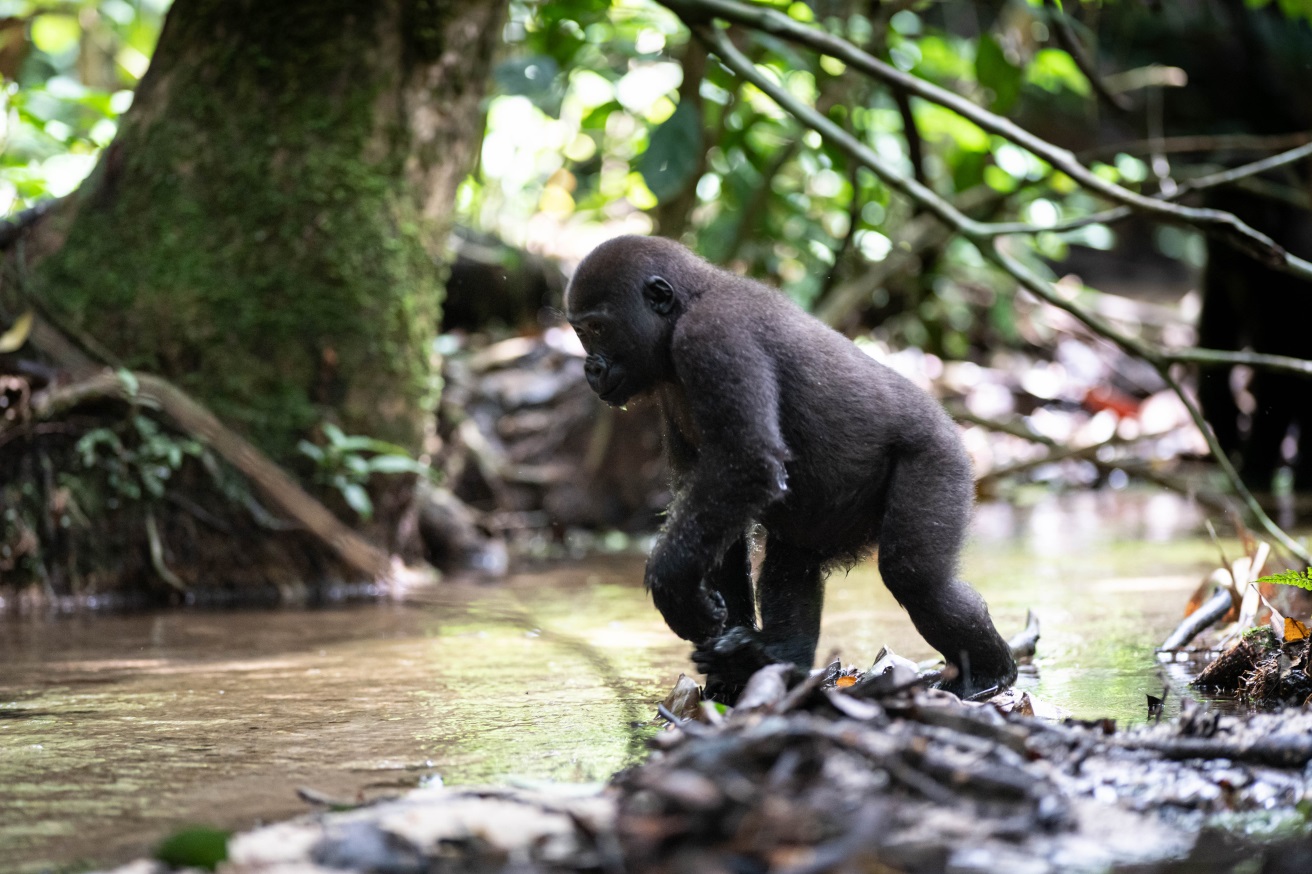
Tourism revenue directly funds anti-poaching efforts, community development programs, and wildlife research that protects Dzanga-Sangha's incredible biodiversity for future generations. Park fees support ranger salaries, equipment purchases, and conservation programs while tourism jobs provide local communities with alternatives to activities like poaching or logging that threaten the forest ecosystem. Your visit contributes to one of Central Africa's most successful community-based conservation models.
The park employs over 200 local people as guides, porters, cooks, and support staff who earn significantly more from tourism than traditional forest activities while developing valuable skills and education opportunities. Revenue sharing agreements ensure local communities receive direct benefits from tourism, creating incentives to protect wildlife and forests rather than exploit them for short-term gains. These conservation impacts represent the most meaningful FAQs about Dzanga-Sangha National Park for environmentally conscious travelers.
Research programs funded by tourism revenue study gorilla behavior, elephant migration patterns, and forest ecology while training local researchers and conservationists who become long-term stewards of this ecosystem. Anti-poaching patrols equipped with tourism revenue can monitor vast forest areas and respond quickly to threats, while community education programs create awareness about conservation importance. Your visit becomes an investment in African conservation success stories that prove tourism can effectively protect wilderness areas.
FAQs Wrap Up
These comprehensive FAQs about Dzanga-Sangha National Park provide the essential information needed to plan your Central African adventure with confidence and excitement. From practical logistics like visas and vaccinations to thrilling possibilities like gorilla encounters and cultural exchanges, every question has been answered to ensure your journey exceeds expectations. The park's remote location and challenging conditions are quickly forgotten when face-to-face with forest elephants at Dzanga Bai or sharing traditional songs with Ba'Aka communities.
Your adventure to this pristine wilderness supports critical conservation efforts while providing life-changing experiences that few travelers ever witness. The answers to these FAQs about Dzanga-Sangha National Park demonstrate that careful planning and realistic expectations lead to incredibly rewarding journeys that create lasting memories and environmental awareness. This destination challenges comfortable travel assumptions while delivering authentic African experiences increasingly rare in our modern world.
Contact Gorilla Pathfinders today to begin planning your Dzanga-Sangha expedition and join the select few who have experienced one of Africa's last great wildernesses. These FAQs about Dzanga-Sangha National Park have prepared you with essential knowledge - now it's time to transform that preparation into adventure and create your own conservation success story in the heart of the Congo Basin rainforest!