Where Can You Track Chimpanzees in Rwanda?
The crown jewel for chimpanzee tracking in Rwanda is undoubtedly Nyungwe Forest National Park, specifically in the Cyamudongo and Uwinka sectors. This ancient montane rainforest spans over 1,000 square kilometers and serves as the primary destination for anyone serious about chimpanzee tracking in Rwanda. The park's dense canopy and diverse ecosystem create the perfect habitat for these incredible primates, making it the go-to location for this unforgettable experience.
What makes Nyungwe Forest so special for chimpanzee tracking in Rwanda is its remarkable biodiversity and the presence of habituated chimpanzee groups. The Cyamudongo sector offers a slightly different experience compared to Uwinka, with each providing unique landscapes and varying difficulty levels. I remember my first visit to Uwinka – the misty morning atmosphere and the sounds of the forest waking up created an almost mystical setting that made the entire chimpanzee tracking experience feel like stepping into another world.
The park's elevation ranges from 1,600 to 2,950 meters above sea level, which creates diverse microclimates throughout the forest. This variation in habitat is crucial for supporting the complex social structures of chimpanzee communities, making chimpanzee tracking in Rwanda particularly rewarding for visitors. The well-maintained trails and experienced guides ensure that your chimpanzee tracking adventure is both safe and educational.
How Much Does Chimpanzee Tracking Cost in Rwanda?
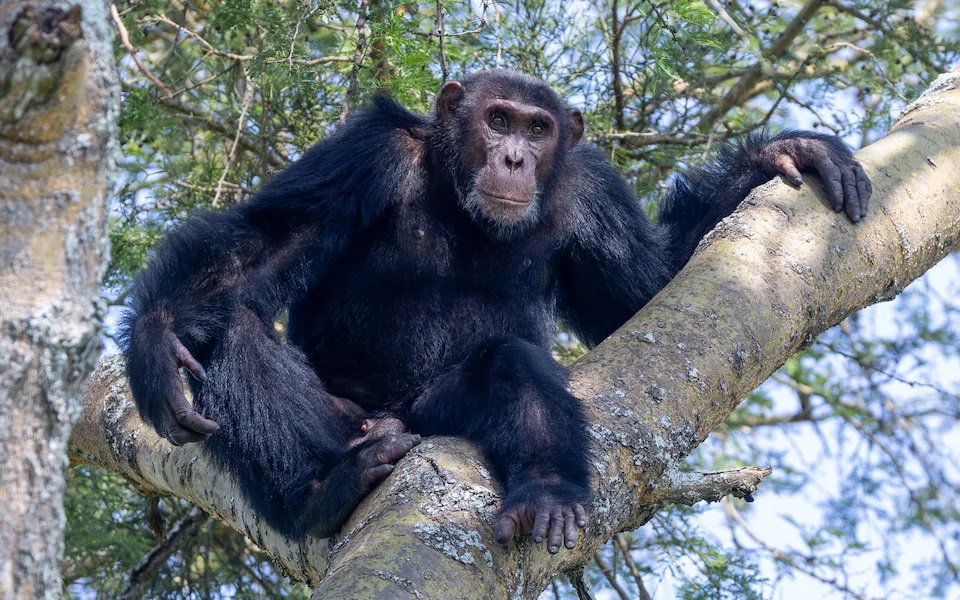
The cost structure for chimpanzee tracking in Rwanda is refreshingly straightforward, though it varies depending on your residency status. Foreign non-residents pay $90 per person, foreign residents pay $70, and East African citizens pay RWF 30,000. This pricing makes chimpanzee tracking in Rwanda significantly more affordable than gorilla trekking, which costs $1,500 per permit. The reasonable pricing has made chimpanzee tracking in Rwanda accessible to a broader range of travelers, contributing to its growing popularity.
What I find particularly appealing about the pricing for chimpanzee tracking in Rwanda is that it includes the services of experienced guides, trackers, and the one-hour encounter with the chimpanzees once they're located. The permit fee also contributes directly to conservation efforts and community development projects, making your chimpanzee tracking experience a meaningful contribution to wildlife protection. The value you get for this price point is exceptional when you consider the expertise of the guides and the rarity of the experience.
The cost-effectiveness of chimpanzee tracking in Rwanda becomes even more apparent when you factor in the high success rate and the additional wildlife you'll encounter during your trek. Many visitors combine their chimpanzee tracking experience with other activities in Nyungwe Forest, maximizing the value of their visit. The transparent pricing structure means you won't encounter hidden fees or unexpected costs, making it easier to budget for your chimpanzee tracking adventure.
How Difficult Is Chimpanzee Tracking in Rwanda?
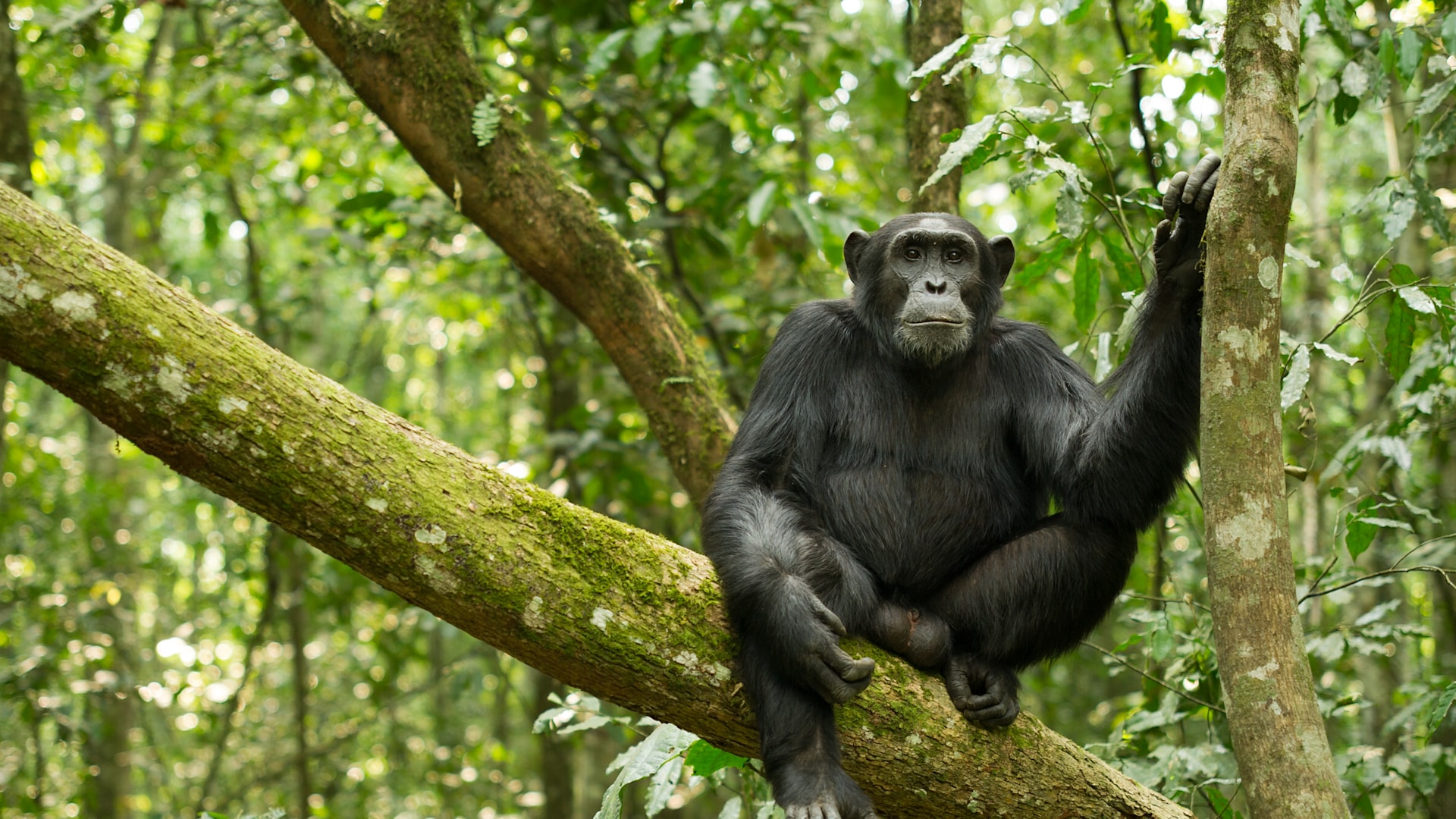
Chimpanzee tracking in Rwanda is classified as moderately difficult, involving hiking through dense forest terrain that can be steep and muddy. The trails wind through thick vegetation, and you'll often find yourself scrambling over fallen logs or navigating slippery slopes. During my own chimpanzee tracking experience, I was surprised by how challenging some sections were, particularly after rain when the trails become quite slippery. The physical demands of chimpanzee tracking in Rwanda require a reasonable level of fitness and mental preparation.
The terrain varies significantly throughout Nyungwe Forest, with some areas requiring more technical hiking skills than others. Chimpanzees are incredibly agile and can move through the forest canopy with ease, while we humans have to follow ground-level trails that may not always take the most direct route. The guides doing chimpanzee tracking in Rwanda are experts at reading the forest signs and determining the best paths to follow, but be prepared for some challenging moments that will test your endurance.
What makes chimpanzee tracking in Rwanda particularly challenging is the unpredictable nature of chimpanzee behavior. These intelligent primates don't follow set schedules, and they can move considerable distances in search of food or to avoid perceived threats. The tracking aspect of chimpanzee tracking in Rwanda means you might find yourself hiking for several hours before encountering the group, and the terrain can change dramatically as you follow their trail through different parts of the forest.
What Is the Best Time for Chimpanzee Tracking in Rwanda?
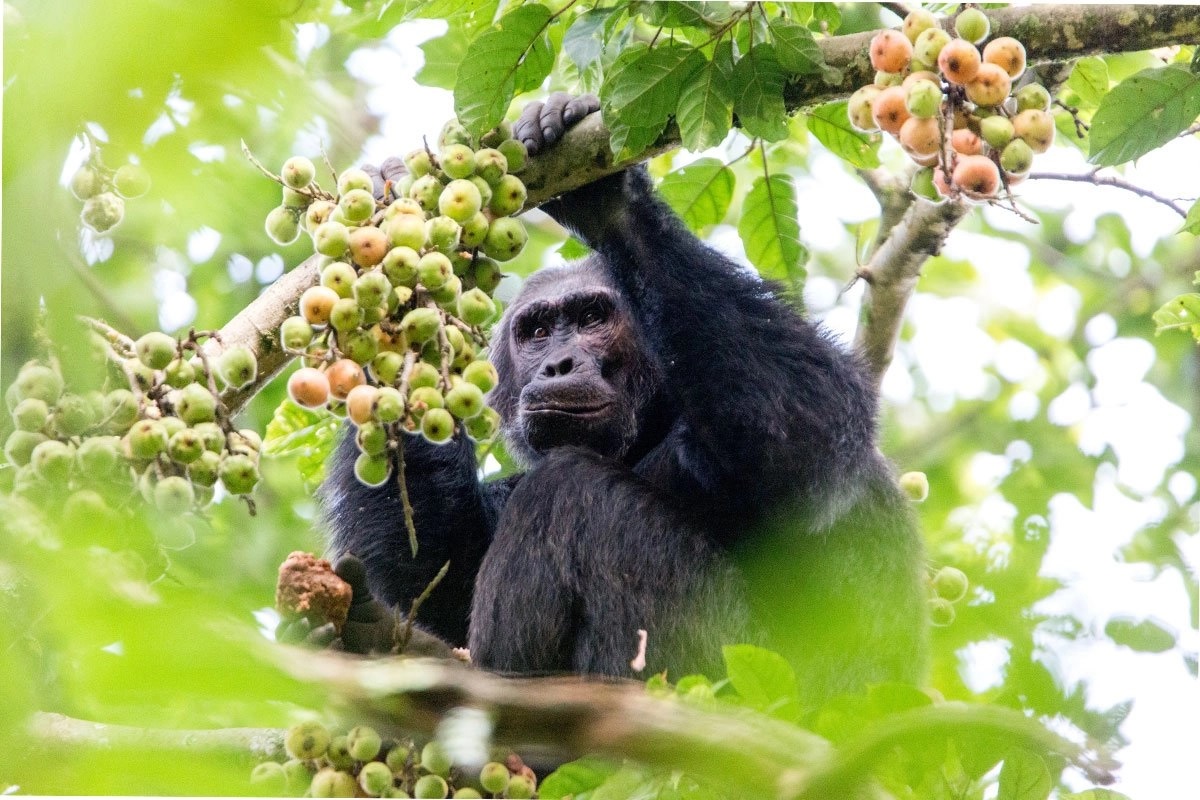
The optimal time for chimpanzee tracking in Rwanda is during the dry seasons, which run from June to September and December to February. During these months, the trails are less muddy and more manageable, making your chimpanzee tracking experience significantly more comfortable. The reduced rainfall also means better visibility and photography opportunities, though I must say that chimpanzee tracking in Rwanda can be spectacular regardless of the season. The dry weather makes it easier to spot chimpanzees as they spend more time on the ground foraging for food.
What's fascinating about chimpanzee tracking in Rwanda is that these primates can be observed year-round, each season offering its own unique advantages. During the wet season, the forest is lush and green, creating a more dramatic backdrop for your chimpanzee tracking adventure. The abundant fruit during certain months can make chimpanzees more active and easier to locate, though the muddy conditions can make the trek more challenging.
The early morning hours between 6 AM and 8 AM are considered the best time to begin chimpanzee tracking in Rwanda, regardless of the season. Chimpanzees are most active during the cooler parts of the day, and starting early gives you the best chance of locating them before they retreat to rest in the afternoon heat. The forest atmosphere during these early morning hours adds an extra layer of magic to your chimpanzee tracking experience, with mist rising from the canopy and the sounds of the forest coming alive.
How Long Does Chimpanzee Tracking Take?
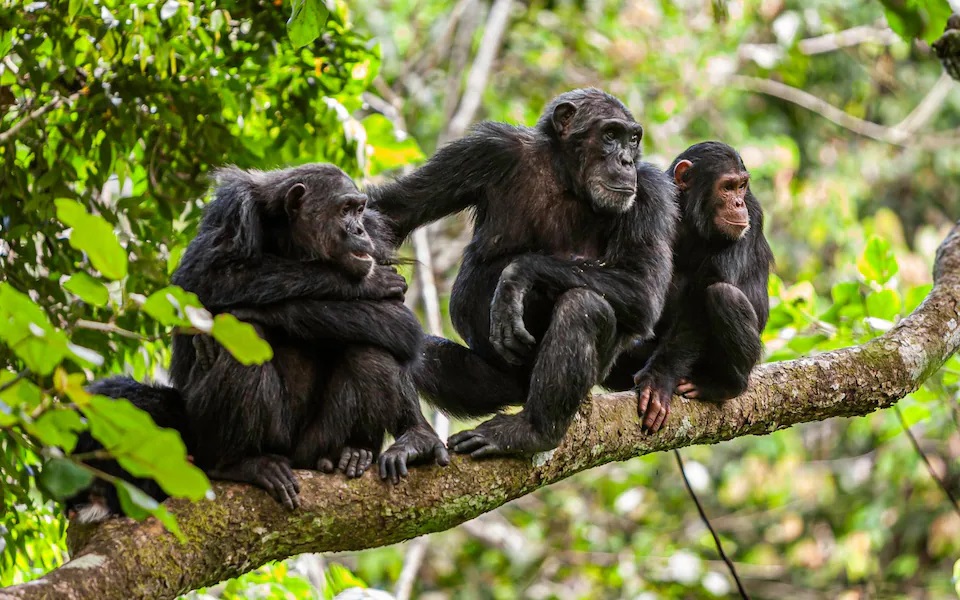
A typical chimpanzee tracking experience in Rwanda lasts between 3 to 5 hours, including the precious one hour you're allowed to spend with the chimpanzees once they're located. The duration can vary significantly depending on the movement patterns of the chimpanzee group and the terrain you need to cover. I've experienced chimpanzee tracking in Rwanda sessions that lasted just 2 hours when we got lucky and found the group quickly, and others that stretched to 6 hours when the chimpanzees decided to play hide and seek in the deep forest.
The actual time spent searching for chimpanzees during chimpanzee tracking in Rwanda depends on several factors, including recent weather conditions, the chimpanzees' daily routine, and pure luck. The guides are skilled at reading signs like fresh knuckle prints, feeding remains, and listening for calls, but chimpanzees can cover impressive distances in their daily foraging activities. The unpredictable nature of chimpanzee tracking in Rwanda is part of what makes it so exciting – you never know exactly what to expect.
Once you locate the chimpanzees, the one-hour observation period flies by incredibly quickly. This structured timing for chimpanzee tracking in Rwanda is designed to minimize stress on the animals while giving visitors adequate time to observe their behavior and take photographs. The hour includes time for the guides to share information about individual chimpanzees, their social structures, and conservation efforts, making your chimpanzee tracking experience both thrilling and educational.
What Should I Wear for Chimpanzee Tracking?
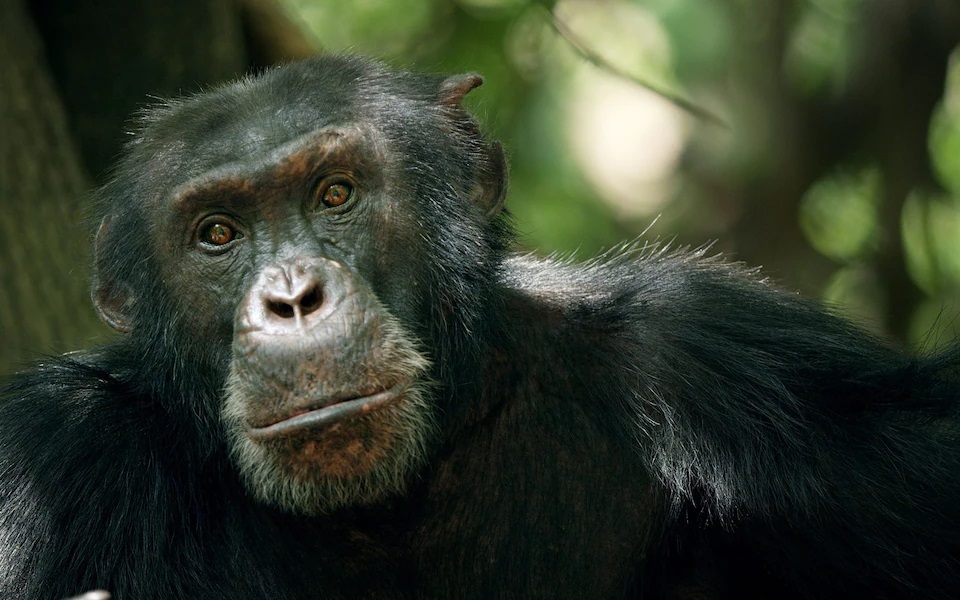
Proper attire is crucial for a successful chimpanzee tracking experience in Rwanda, and I learned this lesson the hard way during my first attempt when I showed up wearing shorts and a t-shirt. You'll need long-sleeved shirts and long trousers to protect against stinging nettles, thorny vegetation, and insect bites. Sturdy hiking boots with good ankle support are essential for navigating the often slippery and uneven terrain. The dense vegetation you'll encounter during chimpanzee tracking in Rwanda can be quite aggressive, so covering up is not just recommended – it's absolutely necessary.
A quality rain jacket is indispensable for chimpanzee tracking in Rwanda, as weather conditions can change rapidly in the forest. Even during the dry season, you might encounter sudden showers or heavy dew that can soak through regular clothing. Waterproof gloves are particularly important as they protect your hands from stinging nettles while providing better grip when scrambling over rocks or holding onto branches. The combination of proper protective gear makes chimpanzee tracking in Rwanda much more comfortable and allows you to focus on the incredible experience rather than physical discomfort.
Additional items that enhance your chimpanzee tracking experience in Rwanda include a good hat to protect from overhanging branches, gaiters to keep debris out of your boots, and moisture-wicking underlayers to stay comfortable during the physical exertion. The forest can be quite humid, and you'll work up a sweat during the more challenging sections of your trek. Proper preparation with the right clothing transforms chimpanzee tracking in Rwanda from a potentially uncomfortable ordeal into an enjoyable adventure.
Can Children Participate in Chimpanzee Tracking?
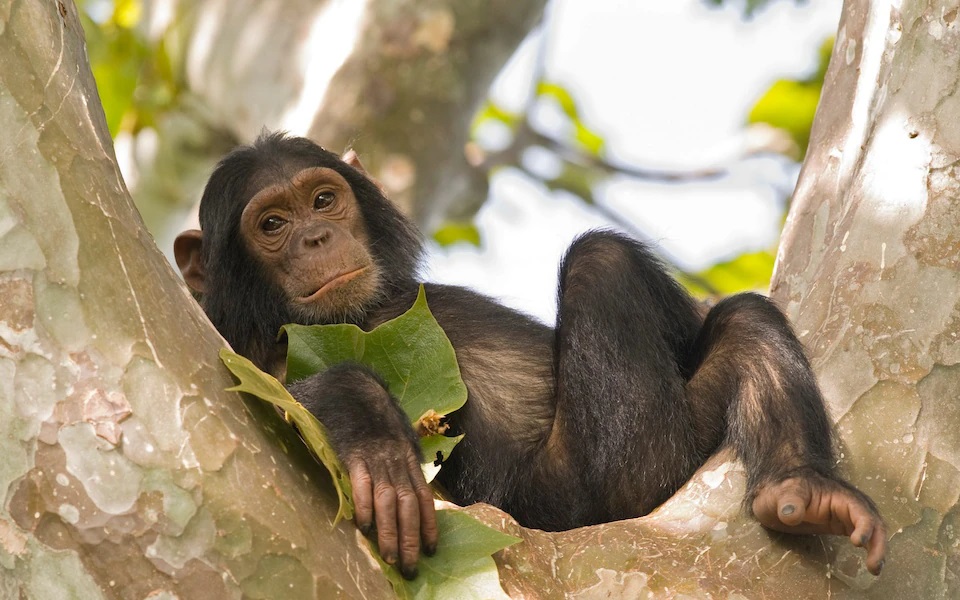
The minimum age for chimpanzee tracking in Rwanda is typically between 12 to 15 years, though this can vary depending on specific park regulations and current guidelines. The age restriction exists primarily due to the physical demands of the activity and the need to maintain quiet behavior around the chimpanzees. Children participating in chimpanzee tracking in Rwanda must be accompanied by adults and should have some prior hiking experience to handle the challenging terrain. The unpredictable nature of chimpanzee tracking makes it unsuitable for very young children who might struggle with the physical demands or become frightened by the forest environment.
What makes chimpanzee tracking in Rwanda particularly challenging for younger participants is the requirement to remain calm and quiet when observing the chimpanzees. These intelligent primates can become agitated by sudden movements or loud noises, which could disrupt the entire group's experience. Children who do participate in chimpanzee tracking in Rwanda need to understand the importance of following guide instructions precisely and maintaining appropriate behavior throughout the encounter.
The decision to allow children on chimpanzee tracking expeditions in Rwanda often depends on the individual child's maturity level and physical capabilities rather than age alone. Some 12-year-olds are perfectly capable of handling the challenges, while others might struggle with the demands of the activity. Parents considering chimpanzee tracking in Rwanda for their children should honestly assess their child's hiking abilities and attention span before booking this adventure.
How Many Chimpanzees Are in Nyungwe Forest?
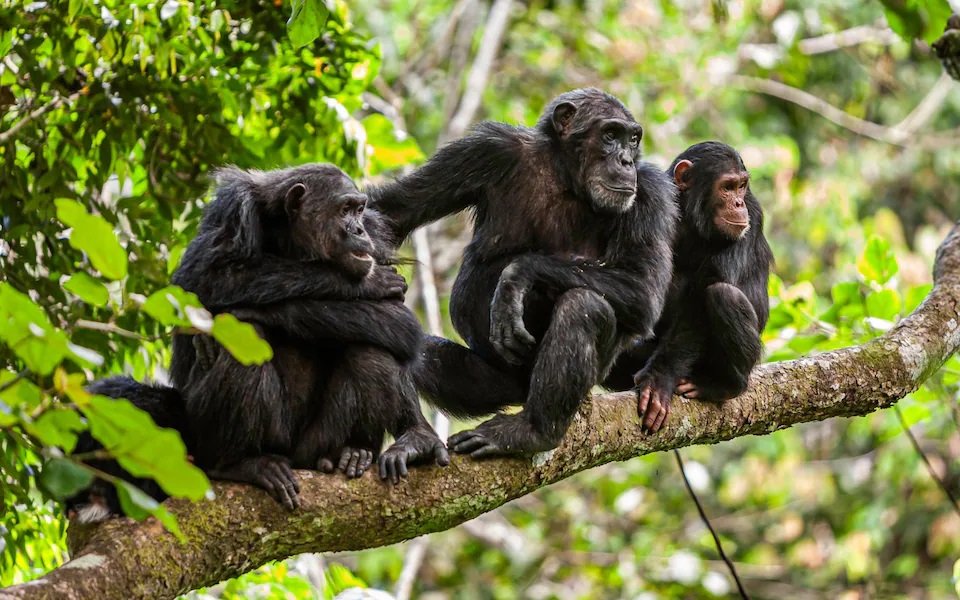
Nyungwe Forest is home to approximately 500 chimpanzees, making it the largest chimpanzee population in Rwanda and one of the most significant in East Africa. This substantial population provides excellent opportunities for chimpanzee tracking in Rwanda, with two habituated groups specifically available for tourism activities. The healthy population size indicates the success of conservation efforts and the suitability of the forest habitat for supporting these magnificent primates. The diversity within this population makes each chimpanzee tracking experience in Rwanda unique, as different groups exhibit varying behavioral patterns and social dynamics.
The habituated groups used for chimpanzee tracking in Rwanda have undergone years of careful conditioning to tolerate human presence without altering their natural behaviors. This habituation process is crucial for successful chimpanzee tracking experiences, as it allows visitors to observe authentic chimpanzee behavior without causing stress to the animals. The two tourist groups represent just a fraction of the total population, ensuring that the majority of chimpanzees remain wild and undisturbed while still providing incredible opportunities for chimpanzee tracking in Rwanda.
Research conducted in Nyungwe Forest has revealed fascinating insights into chimpanzee social structures and behaviors, information that enhances the educational value of chimpanzee tracking in Rwanda. The large population size allows for complex social interactions, including multi-group dynamics and territorial behaviors that visitors might witness during their tracking experience. This robust population also serves as a crucial genetic reservoir for chimpanzee conservation efforts across the region.
Is a Permit Required for Chimpanzee Tracking in Rwanda?
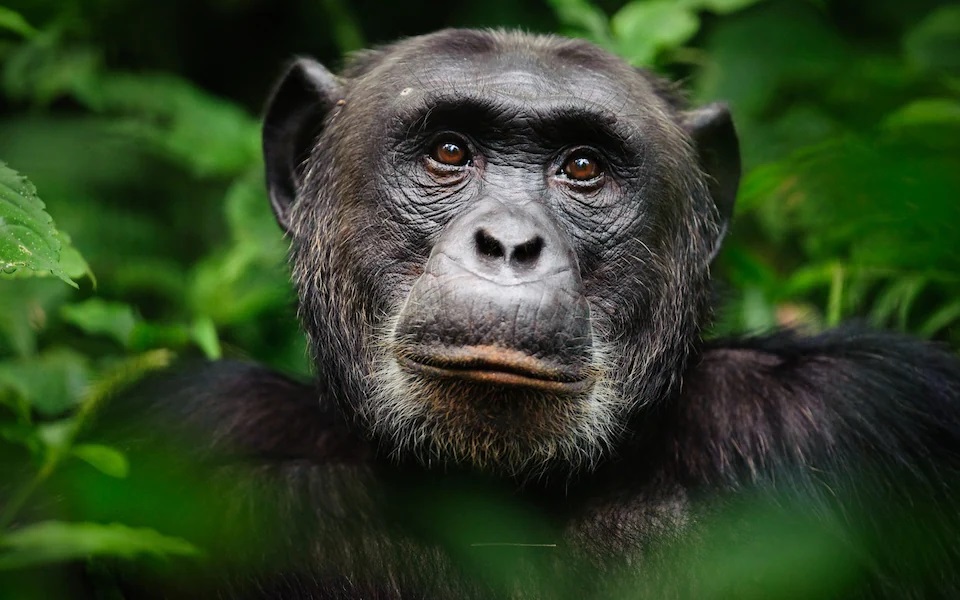
Yes, a permit is absolutely required for chimpanzee tracking in Rwanda, and these must be booked in advance through the Rwanda Development Board (RDB) or a licensed tour operator. The permit system is strictly enforced to manage visitor numbers and protect the chimpanzees from excessive human contact. I strongly recommend booking your chimpanzee tracking permit in Rwanda at least several weeks in advance, especially during peak tourist seasons when availability can be limited. The permit system ensures that chimpanzee tracking in Rwanda remains sustainable and doesn't negatively impact the animals' well-being.
The process of obtaining permits for chimpanzee tracking in Rwanda is straightforward but requires advance planning. You'll need to provide personal information, preferred dates, and payment details when booking through official channels. The permit includes all necessary authorizations for entering the national park and participating in the tracking activity. Working with a reputable tour operator can simplify the permit acquisition process for chimpanzee tracking in Rwanda, as they often have established relationships with the authorities and can secure permits more efficiently.
What's important to understand about permits for chimpanzee tracking in Rwanda is that they're non-transferable and date-specific. If you need to change your tracking date, you'll need to check availability and potentially pay additional fees depending on the circumstances. The permit system also includes important briefing requirements that all participants must attend before beginning their chimpanzee tracking adventure in Rwanda, ensuring everyone understands the rules and safety protocols.
What's the Difference Between Chimpanzee Tracking and Gorilla Trekking in Rwanda?
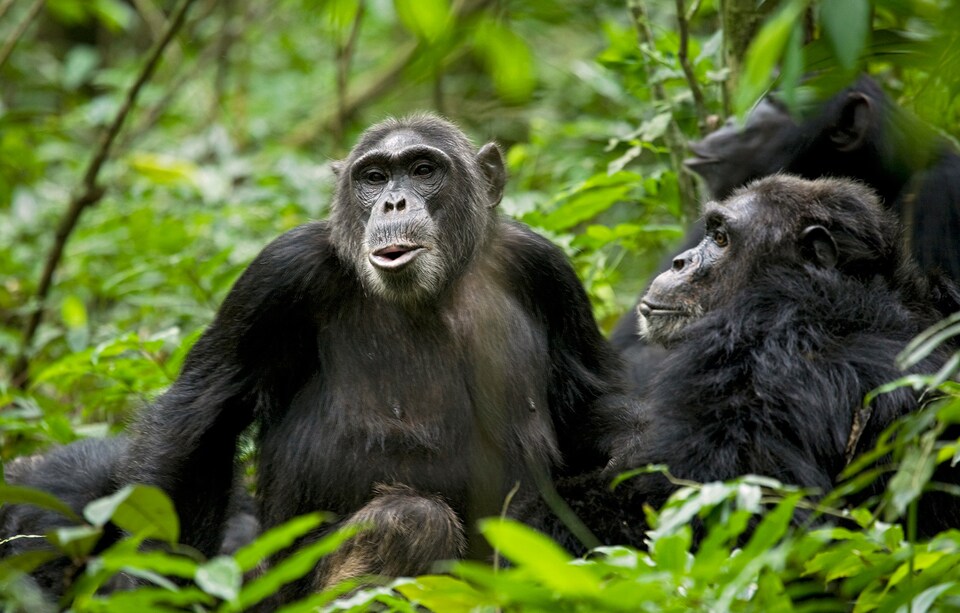
The most obvious difference between chimpanzee tracking and gorilla trekking in Rwanda is the dramatic cost difference – chimpanzee tracking costs $90 compared to $1,500 for gorilla permits. This price difference makes chimpanzee tracking in Rwanda accessible to a much broader range of travelers, though both experiences offer incredible wildlife encounters. The terrain for chimpanzee tracking in Rwanda typically involves more vertical climbing and navigating through dense forest canopy, while gorilla trekking often takes place in more open bamboo forests with different terrain challenges.
Chimpanzees are significantly more active and agile than gorillas, which creates a more dynamic experience during chimpanzee tracking in Rwanda. While gorillas tend to move slowly and deliberately, chimpanzees can swing through trees, jump between branches, and cover ground quickly when they choose to move. This means that chimpanzee tracking in Rwanda can be more physically demanding and unpredictable, requiring participants to be ready for sudden direction changes and varied terrain conditions.
The behavioral observations during chimpanzee tracking in Rwanda are quite different from gorilla encounters. Chimpanzees are more vocal, using a complex system of calls and vocalizations to communicate with their group members. They also engage in more varied activities, including tool use, grooming sessions, and playful interactions that make chimpanzee tracking in Rwanda particularly engaging for visitors interested in primate behavior. The social dynamics of chimpanzee groups are more complex and fluid compared to the more structured hierarchy of gorilla families.
Are There Other Primates to See Besides Chimpanzees in Nyungwe?
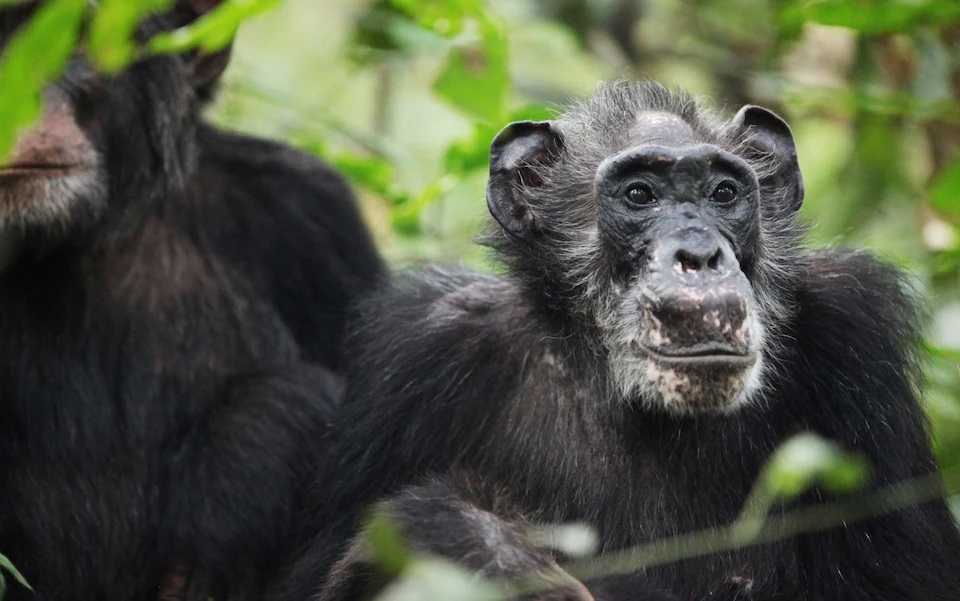
Nyungwe Forest is a primate paradise, housing 13 different species that you might encounter during your chimpanzee tracking adventure in Rwanda. The forest is home to large troops of Angolan colobus monkeys, often numbering in the hundreds, which create spectacular viewing opportunities as they move through the canopy. L'Hoest's monkeys, with their distinctive white facial hair, are another highlight that many visitors spot during chimpanzee tracking in Rwanda. The diversity of primates makes every tracking experience unique, as you never know which species you'll encounter along the way.
Grey-cheeked mangabeys are another fascinating species that inhabit the same areas where chimpanzee tracking in Rwanda takes place. These medium-sized primates are known for their distinctive calls and social behaviors, and they often provide entertainment while you're searching for chimpanzees. The forest is also home to various species of smaller primates, including vervet monkeys and blue monkeys, each contributing to the rich tapestry of wildlife that makes chimpanzee tracking in Rwanda so rewarding.
What makes the primate diversity particularly exciting during chimpanzee tracking in Rwanda is the opportunity to observe different species' interactions and behaviors in their natural habitat. The guides are knowledgeable about all the primate species and can provide fascinating insights into their ecology and conservation status. This comprehensive wildlife experience means that even if your chimpanzee tracking adventure takes longer than expected, you'll still have plenty of incredible wildlife encounters to enjoy throughout your forest journey.
Can I Combine Chimpanzee Tracking with Gorilla Trekking?
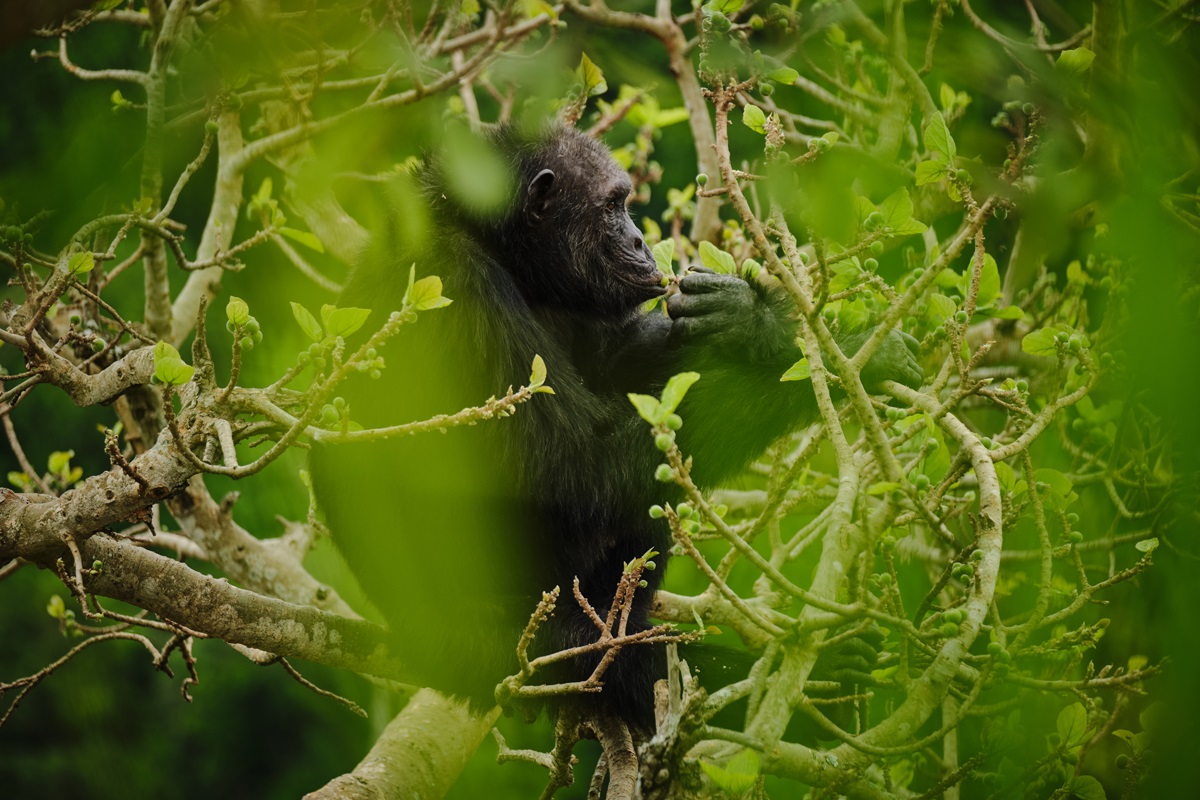
Absolutely! Many visitors create comprehensive primate experiences by combining chimpanzee tracking in Rwanda with gorilla trekking, typically in 4-5 day itineraries. This combination allows you to experience both of Rwanda's premier primate activities, with chimpanzee tracking in Rwanda based in Nyungwe Forest and gorilla trekking taking place in Volcanoes National Park. The logistics work well because both parks are accessible from major cities, and tour operators have perfected these combination packages to maximize your wildlife experiences.
The beauty of combining these activities is that chimpanzee tracking in Rwanda provides a more affordable entry point into primate tourism while still delivering an incredible wildlife experience. After experiencing the dynamic energy of chimpanzees, the more contemplative nature of gorilla encounters provides a perfect contrast. Many visitors tell me that doing chimpanzee tracking in Rwanda first helps them develop confidence and understanding of primate behavior that enhances their subsequent gorilla trekking experience.
Travel time between the two parks is manageable, typically taking 3-4 hours by road, allowing for efficient itinerary planning. Most combination packages include chimpanzee tracking in Rwanda as part of a broader exploration of the country's natural attractions, often incorporating other activities like the famous canopy walk in Nyungwe Forest or cultural experiences in nearby communities. This comprehensive approach gives you a well-rounded understanding of Rwanda's incredible biodiversity and conservation successes.
How Close Can You Get to the Chimpanzees?
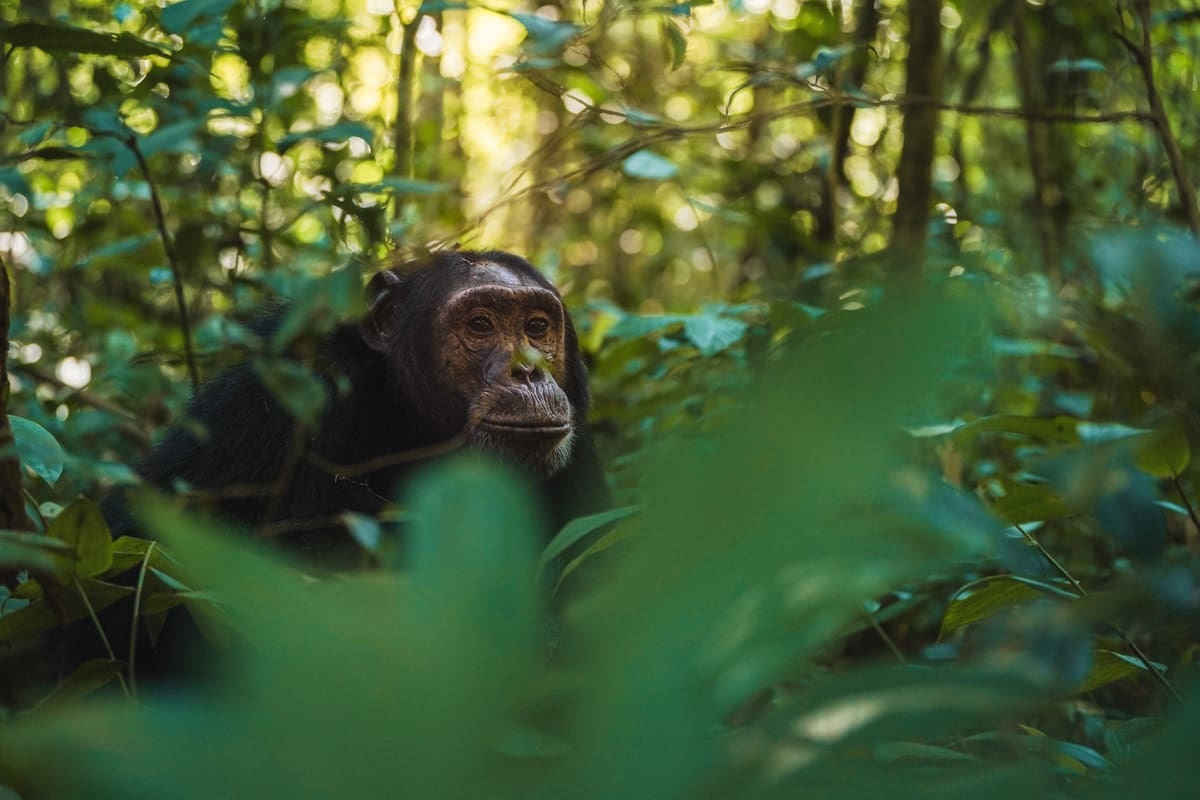
The minimum distance requirement for chimpanzee tracking in Rwanda is 7-10 meters, similar to the protocols used for gorilla trekking. This distance is carefully calculated to protect both the chimpanzees and visitors, as these primates can carry diseases that are transmissible to humans and vice versa. During my chimpanzee tracking experiences in Rwanda, I've found that this distance still allows for incredible observations and photography opportunities while ensuring the safety of these magnificent creatures. The guides are vigilant about maintaining these distances and will remind visitors if they get too close.
What's fascinating about the distance protocols during chimpanzee tracking in Rwanda is how close you can feel to the chimpanzees even while maintaining the required separation. Chimpanzees are incredibly expressive animals, and you can observe detailed facial expressions, grooming behaviors, and social interactions from the designated viewing distance. The acoustic experience of chimpanzee tracking in Rwanda is equally impressive, as their vocalizations and communications are clearly audible and provide insights into their complex social structures.
The distance requirements during chimpanzee tracking in Rwanda are strictly enforced for conservation reasons, but they don't diminish the impact of the experience. Modern camera equipment and binoculars allow for detailed observation and photography from the safe distance. The guides are experienced at positioning groups to maximize viewing opportunities while respecting the space requirements, ensuring that your chimpanzee tracking adventure provides incredible memories without compromising animal welfare.
Is Chimpanzee Tracking Ethical in Rwanda?
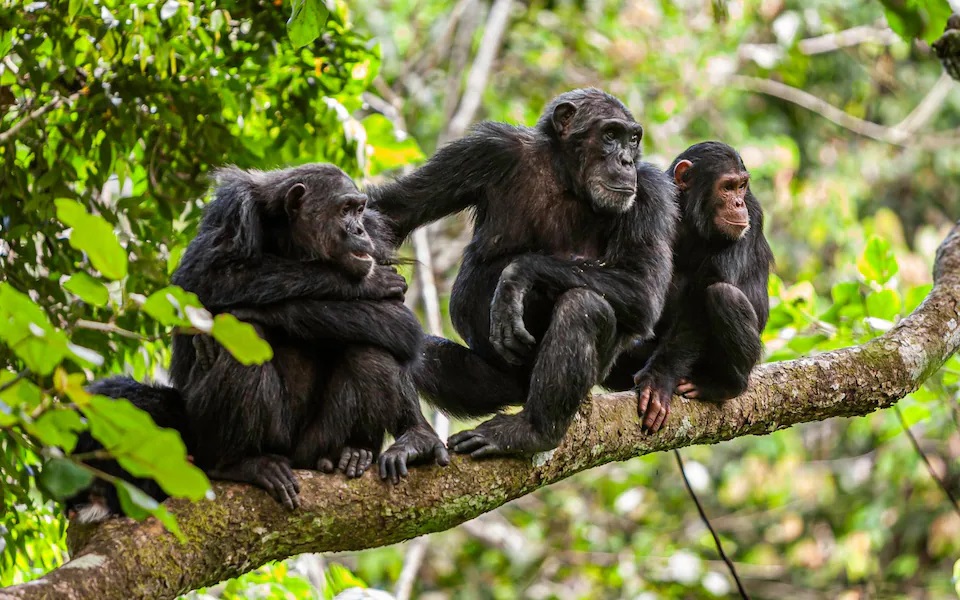
Chimpanzee tracking in Rwanda is considered highly ethical, following strict ecotourism guidelines designed to protect the animals and their habitat. The Rwanda Development Board has implemented comprehensive protocols that prioritize animal welfare while providing sustainable tourism opportunities. The revenue generated from chimpanzee tracking in Rwanda directly supports conservation efforts, community development projects, and ongoing research programs. This model ensures that tourism contributes positively to both wildlife protection and local livelihoods.
The ethical framework for chimpanzee tracking in Rwanda includes limiting group sizes, restricting viewing time, and maintaining minimum distances from the animals. These protocols are based on scientific research and best practices from other successful primate tourism programs. The guides receive extensive training on animal behavior and conservation principles, ensuring that chimpanzee tracking in Rwanda remains respectful and educational. The emphasis on conservation education during these experiences helps visitors understand the importance of protecting these remarkable primates and their forest habitat.
What makes chimpanzee tracking in Rwanda particularly ethical is the transparent use of tourism revenue for conservation purposes. Visitors can see direct evidence of how their permit fees support anti-poaching efforts, habitat restoration projects, and community initiatives. The success of chimpanzee tracking in Rwanda as a conservation tool is evident in the stable chimpanzee populations and the improved protection of Nyungwe Forest. This positive impact cycle ensures that ethical tourism continues to benefit both wildlife and local communities.
What Are the Chances of Seeing Chimpanzees?
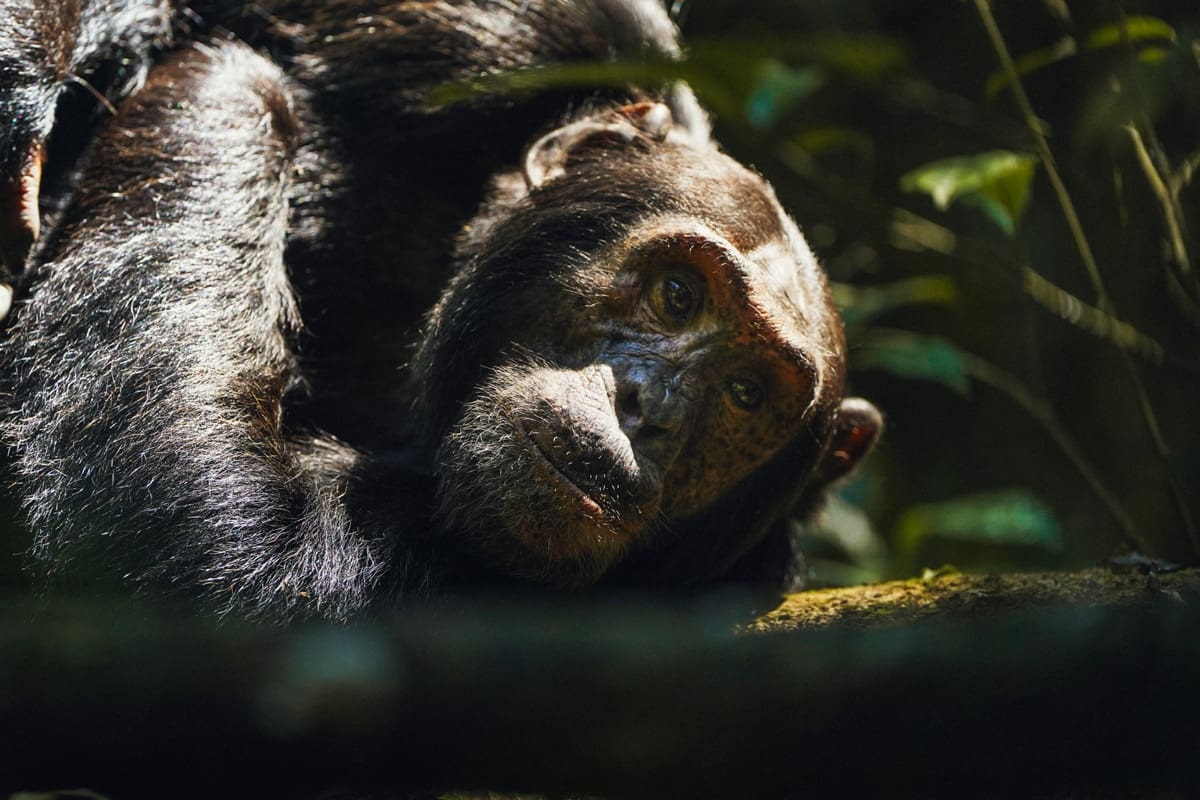
The success rate for chimpanzee tracking in Rwanda is impressively high, with over 95% of tracking expeditions successfully locating chimpanzees. This excellent success rate is due to the expertise of the guides and trackers, who use a combination of traditional tracking skills and modern radio communication to locate the habituated groups. The guides conducting chimpanzee tracking in Rwanda are intimately familiar with the forest terrain and chimpanzee behavior patterns, significantly increasing the likelihood of successful encounters. The high success rate makes chimpanzee tracking in Rwanda a reliable wildlife experience that rarely disappoints visitors.
The factors contributing to the high success rate of chimpanzee tracking in Rwanda include the use of research data, radio tracking technology, and experienced local guides who understand chimpanzee behavior. The habituated groups follow somewhat predictable patterns, though they remain wild animals with natural behaviors. Weather conditions can affect success rates, but the guides' expertise in chimpanzee tracking in Rwanda means they can adapt strategies based on current conditions and recent chimpanzee activity patterns.
Even on the rare occasions when chimpanzee tracking in Rwanda doesn't result in close encounters with the target species, the forest experience itself provides incredible wildlife viewing opportunities. The rich biodiversity of Nyungwe Forest means that visitors will encounter various other primate species, birds, and forest wildlife during their tracking adventure. The comprehensive forest experience ensures that chimpanzee tracking in Rwanda delivers value regardless of specific chimpanzee sightings.
Are There Health Risks When Tracking Chimpanzees?
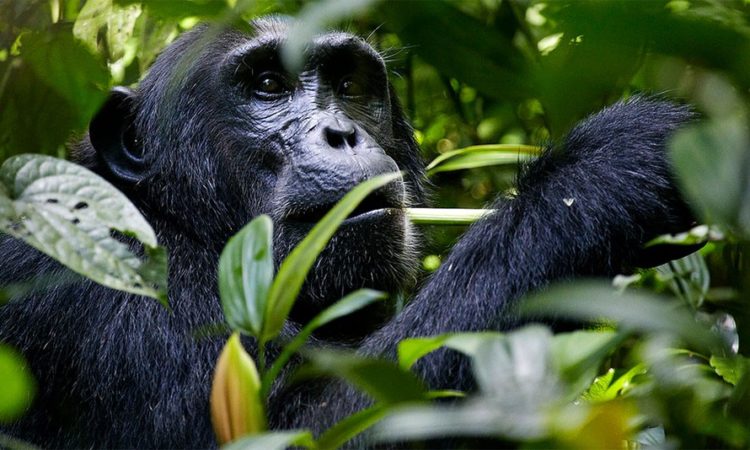
The health risks associated with chimpanzee tracking in Rwanda are minimal but worth understanding for proper preparation. The primary concern is the potential for disease transmission between humans and chimpanzees, which is why wearing masks is often recommended during close encounters. The guides briefing before chimpanzee tracking in Rwanda includes health protocols designed to protect both visitors and the chimpanzees. Standard precautions include hand sanitization, maintaining minimum distances, and avoiding direct contact with surfaces that chimpanzees have touched.
Physical health considerations for chimpanzee tracking in Rwanda include the typical risks associated with forest hiking, such as slips, falls, and cuts from vegetation. The challenging terrain requires reasonable physical fitness and appropriate footwear to minimize injury risks. Most visitors find that the physical demands of chimpanzee tracking in Rwanda are manageable with proper preparation and realistic expectations about the hiking requirements. The guides are trained in basic first aid and carry emergency communication equipment for any unforeseen circumstances.
Preventive health measures for chimpanzee tracking in Rwanda include ensuring you're up to date on routine vaccinations and carrying a basic first aid kit. The risk of serious health issues is very low, but being prepared enhances your confidence and enjoyment of the experience. Many visitors find that the excitement and adrenaline of chimpanzee tracking in Rwanda actually makes them forget about minor physical discomforts, and the incredible wildlife encounters more than compensate for any temporary challenges.
Can I Take Photos During Chimpanzee Tracking?
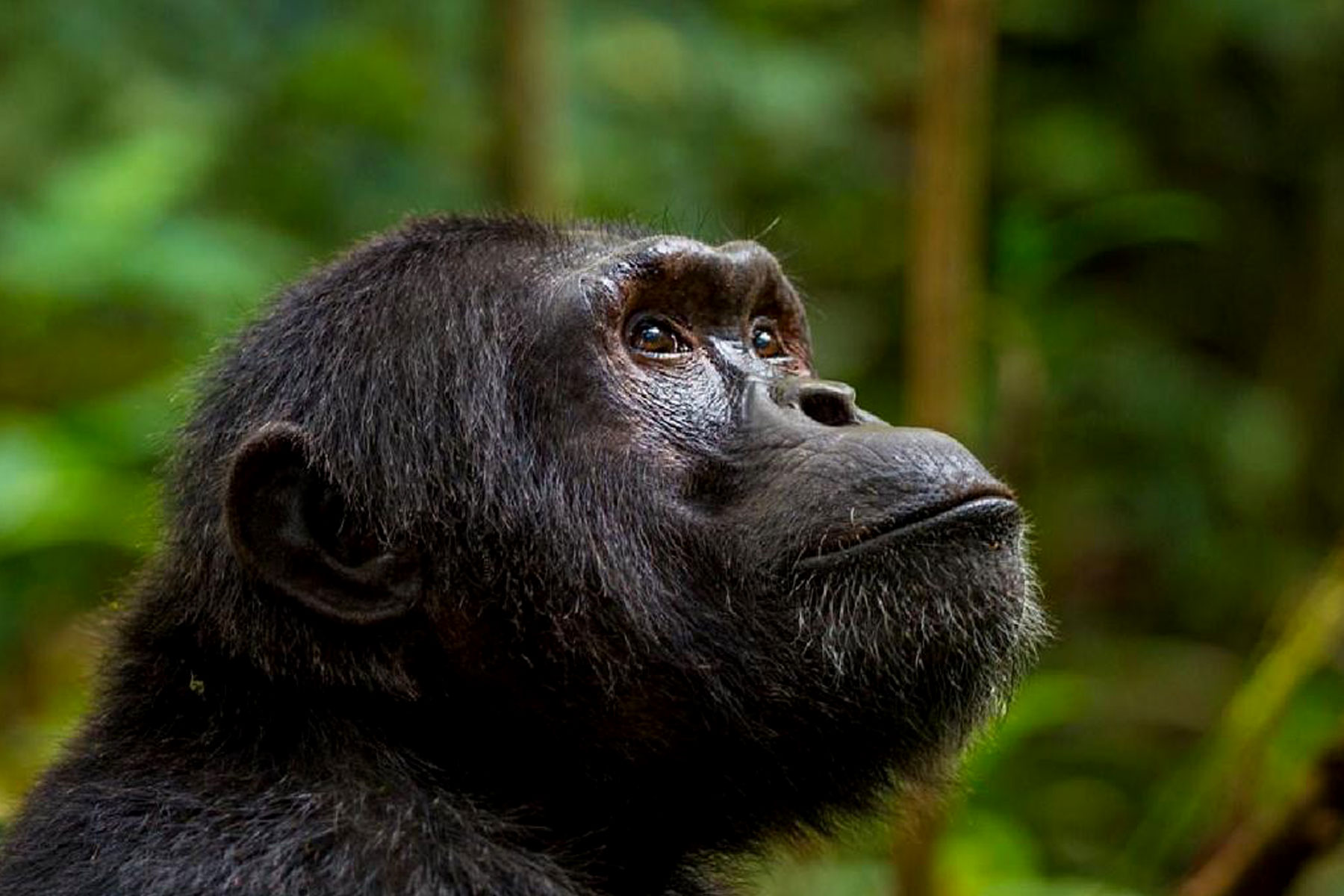
Photography is definitely allowed during chimpanzee tracking in Rwanda, with some important guidelines to ensure you don't disturb the animals. Flash photography is strictly prohibited as it can startle the chimpanzees and disrupt their natural behaviors. The forest lighting conditions during chimpanzee tracking in Rwanda can be challenging, so bringing a camera with good low-light performance is recommended. Most visitors find that the incredible photo opportunities more than justify bringing quality camera equipment on their chimpanzee tracking adventure.
The key to successful photography during chimpanzee tracking in Rwanda is understanding the behavioral protocols and being ready to capture moments quickly. Chimpanzees are active animals, and photo opportunities can appear and disappear rapidly. I recommend familiarizing yourself with your camera settings before the tracking begins, as you won't have time to figure out technical details when you're face-to-face with these magnificent primates. The guides can often help position your group for optimal photography angles while maintaining the required viewing distances.
What makes photography during chimpanzee tracking in Rwanda particularly rewarding is the opportunity to capture authentic wildlife behaviors in their natural habitat. The chimpanzees' expressive faces, social interactions, and dynamic movements provide endless photographic opportunities. Many visitors find that the photos from their chimpanzee tracking experience become some of their most treasured travel memories, serving as powerful reminders of this incredible wildlife encounter for years to come.
What Other Activities Can I Do in Nyungwe Forest?
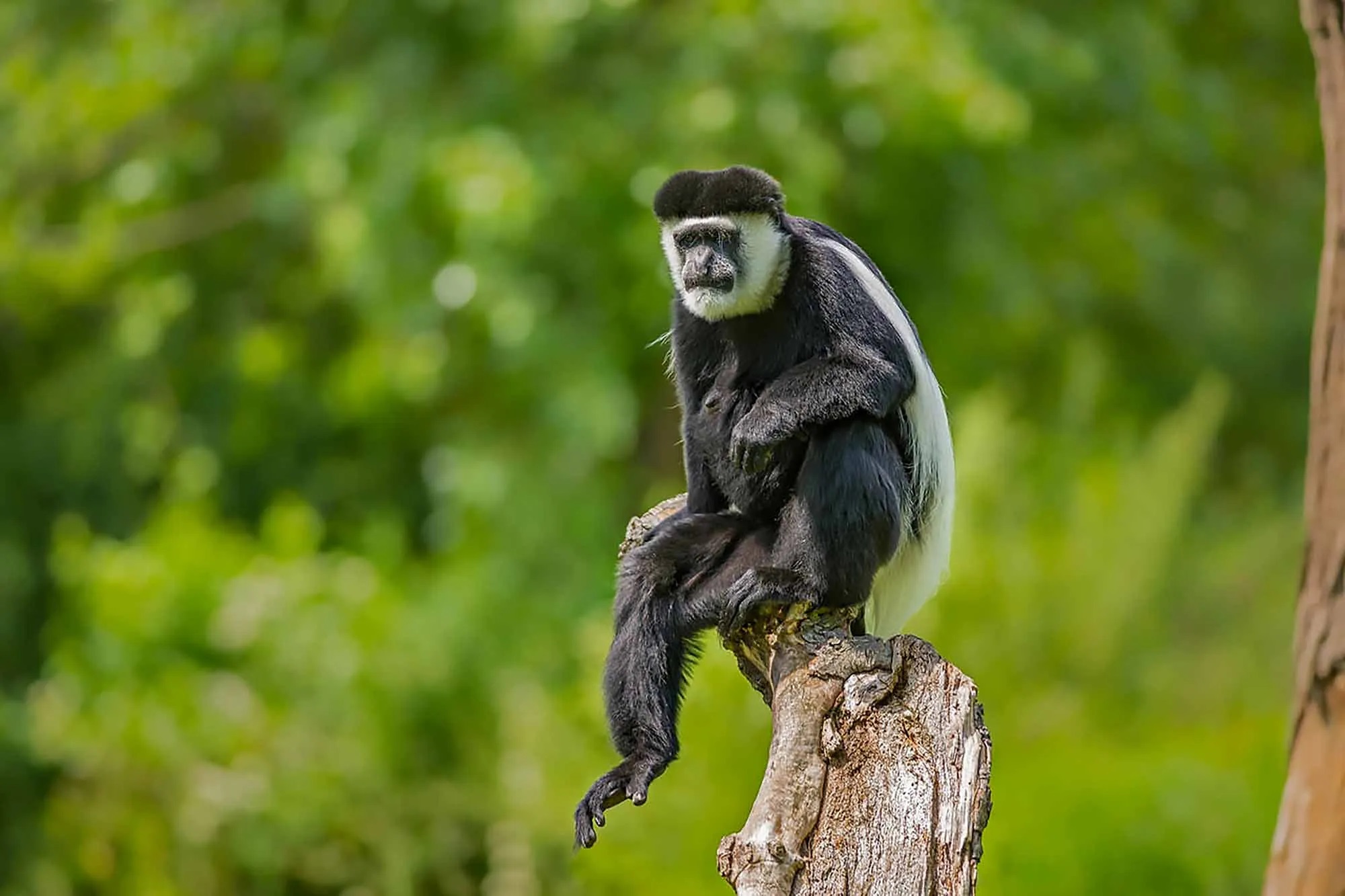
Nyungwe Forest offers numerous activities beyond chimpanzee tracking in Rwanda, making it possible to create a comprehensive forest experience during your visit. The famous Canopy Walk is a must-do activity that provides spectacular views of the forest from a unique perspective 70 meters above the ground. This suspended walkway offers opportunities to spot different wildlife species and understand the forest's vertical ecosystem. Many visitors combine chimpanzee tracking in Rwanda with the canopy walk to get both ground-level and aerial perspectives of this incredible forest.
Waterfall hikes are another popular activity that complements chimpanzee tracking in Rwanda beautifully. The forest contains several stunning waterfalls accessible via well-maintained trails, providing perfect opportunities for photography and relaxation after your tracking adventure. Birdwatching in Nyungwe Forest is world-class, with over 300 bird species recorded, including numerous endemic species. The combination of chimpanzee tracking in Rwanda with other forest activities creates a well-rounded experience that showcases the area's incredible biodiversity.
Colobus monkey tracking is another primate experience available in Nyungwe Forest, offering a different perspective on primate behavior and forest ecology. These large black and white monkeys live in impressive troops and provide spectacular viewing opportunities. The combination of multiple primate tracking experiences, including chimpanzee tracking in Rwanda, gives visitors a comprehensive understanding of the forest's primate diversity. Nature walks, cultural visits to nearby communities, and tea plantation tours round out the activity options available during your visit.
How Do I Book a Chimpanzee Tracking Permit?
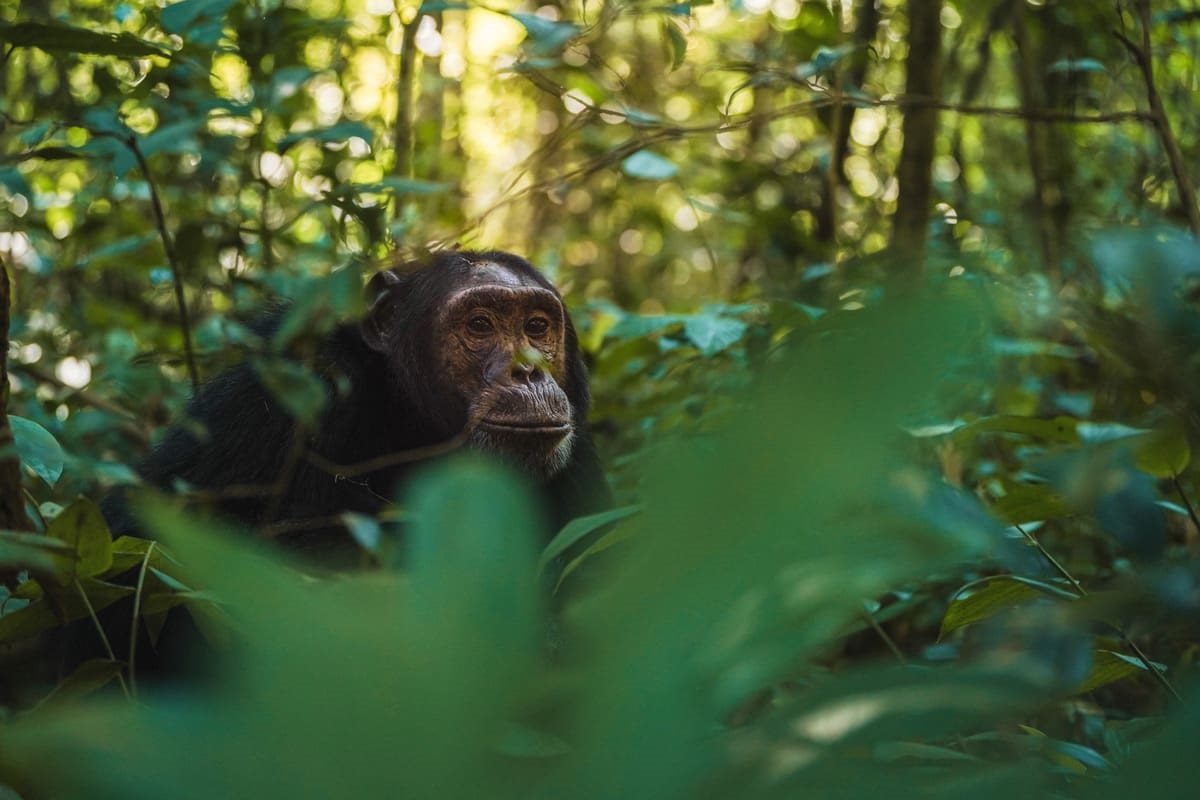
Booking a chimpanzee tracking permit in Rwanda can be done through two primary channels: directly through the Rwanda Development Board (RDB) website or through a licensed tour operator. The official RDB website provides the most up-to-date information on availability and pricing for chimpanzee tracking in Rwanda. Online booking is straightforward, requiring basic personal information, preferred dates, and payment details. I recommend booking directly through official channels to ensure authenticity and avoid potential scams from unofficial sources.
Working with a licensed tour operator can simplify the permit booking process for chimpanzee tracking in Rwanda, especially if you're planning a comprehensive itinerary that includes multiple activities. Tour operators often have established relationships with the authorities and can secure permits more efficiently, particularly during peak seasons when availability is limited. They can also provide valuable advice on timing, preparation, and combining chimpanzee tracking in Rwanda with other activities to maximize your experience.
The booking process for chimpanzee tracking in Rwanda requires advance planning, especially during peak tourist seasons from June to September and December to February. I recommend booking at least 4-6 weeks in advance to secure your preferred dates. The permit booking includes important details about meeting locations, timing, and preparation requirements. Payment is typically required at the time of booking, and permits are non-transferable, so accuracy in your booking details is crucial for a smooth chimpanzee tracking experience.
Is Rwanda Safer Than Uganda or Congo for Chimpanzee Tracking?
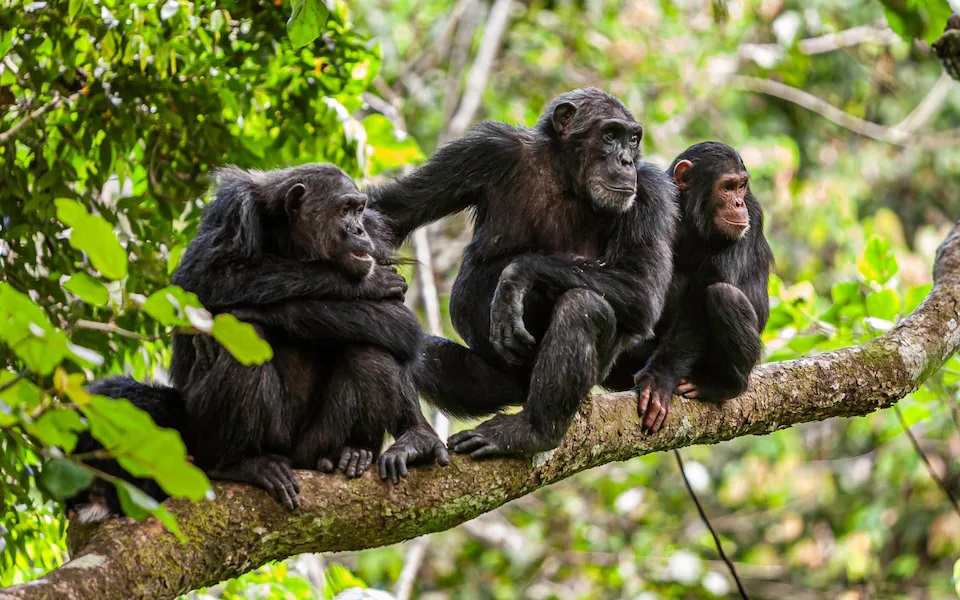
Rwanda is widely considered the safest and most organized destination for chimpanzee tracking among the three countries that offer this experience. The country's excellent infrastructure, political stability, and well-developed tourism industry make chimpanzee tracking in Rwanda particularly appealing to international visitors. The security situation in Rwanda is exemplary, with low crime rates and a strong emphasis on tourist safety. The organized nature of chimpanzee tracking in Rwanda, with clear protocols and professional guides, provides additional confidence for visitors concerned about safety.
The infrastructure supporting chimpanzee tracking in Rwanda is significantly more developed than in neighboring countries. Roads are well-maintained, communication systems are reliable, and emergency services are readily available. The park management system is highly professional, with standardized procedures and regular training for guides and staff. This level of organization makes chimpanzee tracking in Rwanda predictable and safe, allowing visitors to focus on the wildlife experience rather than worrying about logistical challenges.
What sets chimpanzee tracking in Rwanda apart from other countries is the comprehensive approach to visitor safety and experience quality. The government's commitment to conservation tourism has resulted in significant investments in infrastructure and training. The success of gorilla tourism in Rwanda has created a model that's been applied to chimpanzee tracking in Rwanda, ensuring high standards across all primate tourism activities. This commitment to excellence makes Rwanda the preferred choice for many visitors seeking reliable and safe chimpanzee tracking experiences.
Bottom Line
Chimpanzee tracking in Rwanda offers an incredible wildlife experience at Nyungwe Forest National Park for $90 per person. The moderate difficulty trek takes 3-5 hours with over 90% success rate. Best time is during dry seasons (June-September, December-February). Permits required in advance through RDB or tour operators. Minimum age 12-15 years. Wear long sleeves, pants, sturdy boots, and rain gear. The forest houses 500 chimpanzees in two habituated groups. Photography allowed (no flash). Rwanda is the safest option compared to Uganda or Congo. Combine with gorilla trekking for ultimate primate experience.
Chimpanzee tracking in Rwanda represents one of the most accessible and rewarding wildlife experiences available to travelers seeking authentic encounters with our closest relatives. The combination of reasonable pricing, high success rates, and Rwanda's exceptional safety record makes this adventure an obvious choice for wildlife enthusiasts. From the moment you step into Nyungwe Forest until you find yourself face-to-face with these incredible primates, chimpanzee tracking in Rwanda delivers memories that last a lifetime.
The comprehensive nature of chimpanzee tracking in Rwanda extends beyond the animals themselves to encompass the entire forest ecosystem, local communities, and conservation efforts. Your participation directly supports ongoing wildlife protection initiatives and provides sustainable livelihoods for local guides and communities. The ethical framework surrounding chimpanzee tracking in Rwanda ensures that your adventure contributes positively to conservation while providing you with an unforgettable experience.
Are you ready to experience the thrill of chimpanzee tracking in Rwanda? The forest is calling, and these remarkable primates are waiting to share their world with you. Book your permit today and prepare for an adventure that will change your perspective on wildlife conservation and provide you with stories you'll be telling for years to come. Don't let this opportunity slip away – your chimpanzee tracking adventure in Rwanda is just a booking away!