How much does a gorilla safari cost?
The cost of Gorilla Safaris Rwanda and Uganda varies significantly between the two countries, and trust me, this price difference often shocks first-time visitors! In Rwanda, gorilla permits cost $1,500 per person, while Uganda charges $800 per permit - that's more than double the price. When you factor in accommodation, transportation, and guide fees, expect to spend between $2,000-$4,000 for a complete Gorilla Safaris Rwanda and Uganda experience.
Budget travelers often gravitate toward Uganda for their Gorilla Safaris Rwanda and Uganda adventure because of the lower permit costs. You can find decent mid-range lodges for $100-200 per night, while luxury options range from $300-800. Rwanda tends to be pricier overall, with luxury lodges commanding $500-1,500 per night. The total cost really depends on your accommodation choices and how many days you plan to spend in each destination during your Gorilla Safaris Rwanda and Uganda journey.
Which country is best to see gorillas?
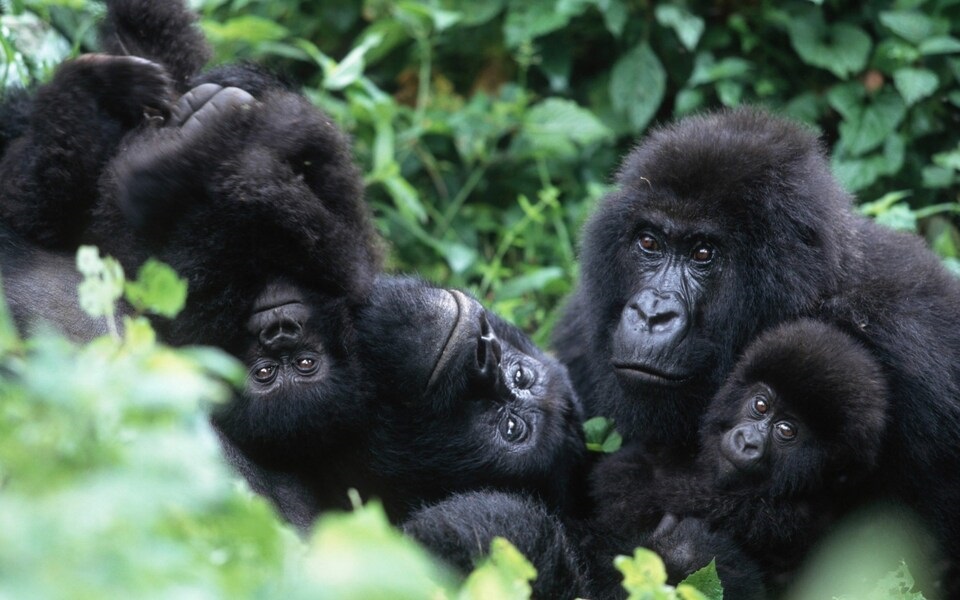
Choosing between Rwanda and Uganda for your Gorilla Safaris Rwanda and Uganda experience often comes down to personal preferences and budget constraints. Rwanda offers easier accessibility with shorter travel times from Kigali airport to Volcanoes National Park - just 2.5 hours compared to Uganda's 8–10-hour journey to Bwindi. This convenience makes Rwanda popular among travelers with limited time for their Gorilla Safaris Rwanda and Uganda adventure.
Uganda compensates for longer travel times with more gorilla families to visit and lower permit costs, making it ideal for budget-conscious travelers planning Gorilla Safaris Rwanda and Uganda trips. Bwindi Impenetrable Forest hosts nearly half of the world's mountain gorillas, giving you higher chances of permits availability. Both countries offer incredible experiences, but I personally love Uganda's rugged wilderness feel - it makes the gorilla encounter feel more authentic and wilder during your Gorilla Safaris Rwanda and Uganda expedition.
What is the cheapest way to see gorillas in Uganda?
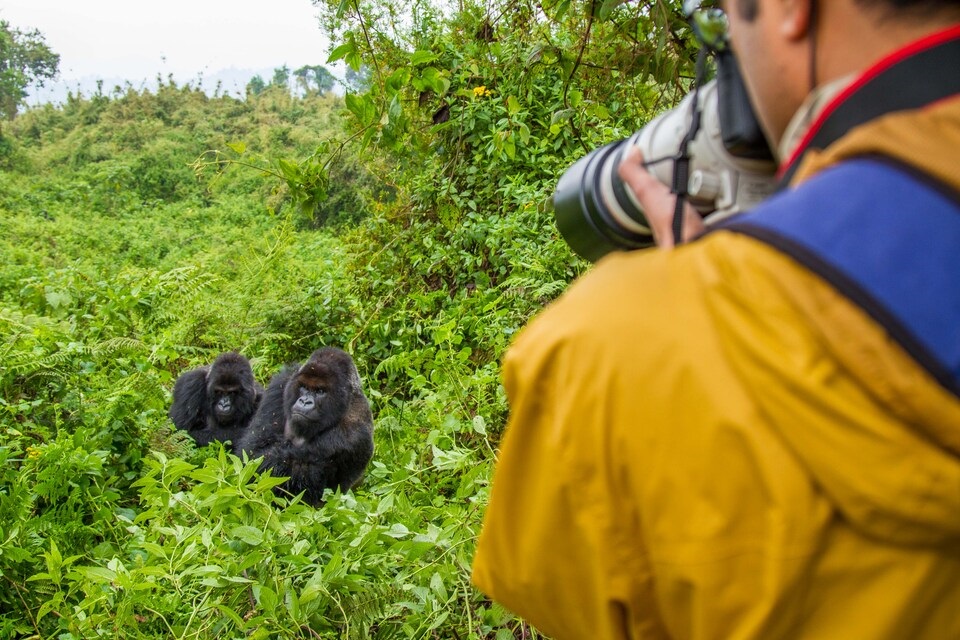
The most economical approach to Gorilla Safaris Rwanda and Uganda experiences starts with choosing Uganda over Rwanda - you'll save $800 per permit right off the bat! Budget accommodations near Bwindi cost $30-80 per night, and local guesthouses offer authentic experiences without breaking the bank. Consider traveling during low season (March-May and November) when accommodation rates drop significantly for your Gorilla Safaris Rwanda and Uganda adventure.
Joining group tours or shared transportation reduces costs dramatically compared to private arrangements for Gorilla Safaris Rwanda and Uganda journeys. Local tour operators offer budget packages starting from $800-1,200 per person for 3-day trips, including permits, accommodation, and meals. Self-drive options work well for experienced travelers, though you'll need a 4WD vehicle for the challenging terrain. The key is booking early and comparing multiple operators to find the best deals for your Gorilla Safaris Rwanda and Uganda experience.
What is the best time of year to see gorillas in Uganda?
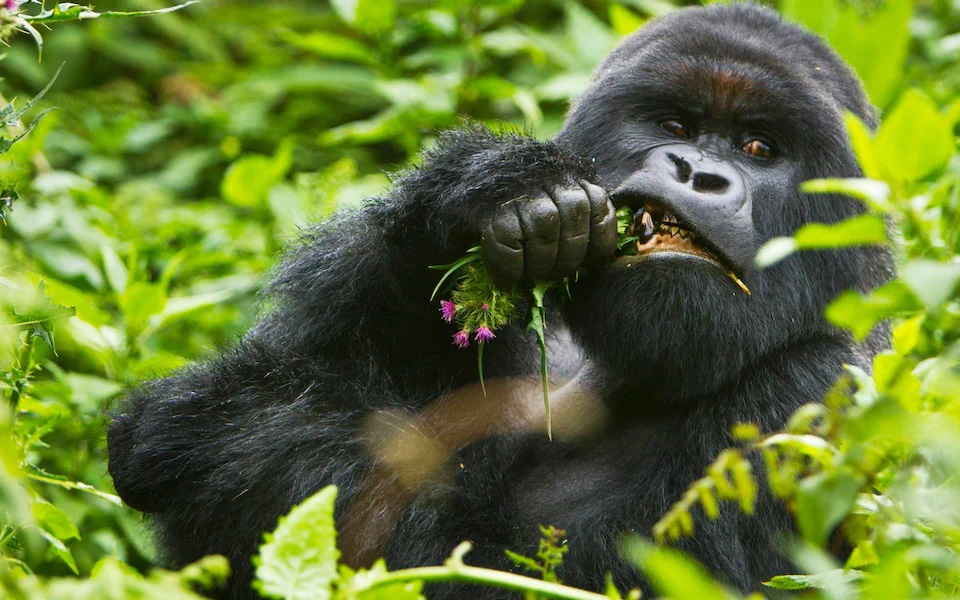
The dry seasons from June to September and December to February offer optimal conditions for Gorilla Safaris Rwanda and Uganda adventures. During these periods, hiking trails are less muddy and slippery, making your trek to find gorillas more comfortable and safer. The weather stays relatively stable, with minimal rainfall disrupting your carefully planned Gorilla Safaris Rwanda and Uganda itinerary.
Peak season means higher accommodation rates and more crowded trails, but the trade-off is worth it for better trekking conditions during your Gorilla Safaris Rwanda and Uganda experience. Wet seasons (March-May and October-November) offer lower prices and fewer crowds, but prepare for challenging hiking conditions and potential permit cancellations. I've trekked during both seasons, and while wet season offers dramatic misty forest atmospheres, dry season provides more predictable conditions for your Gorilla Safaris Rwanda and Uganda adventure.
How much does it cost to go to the gorilla park in Uganda?
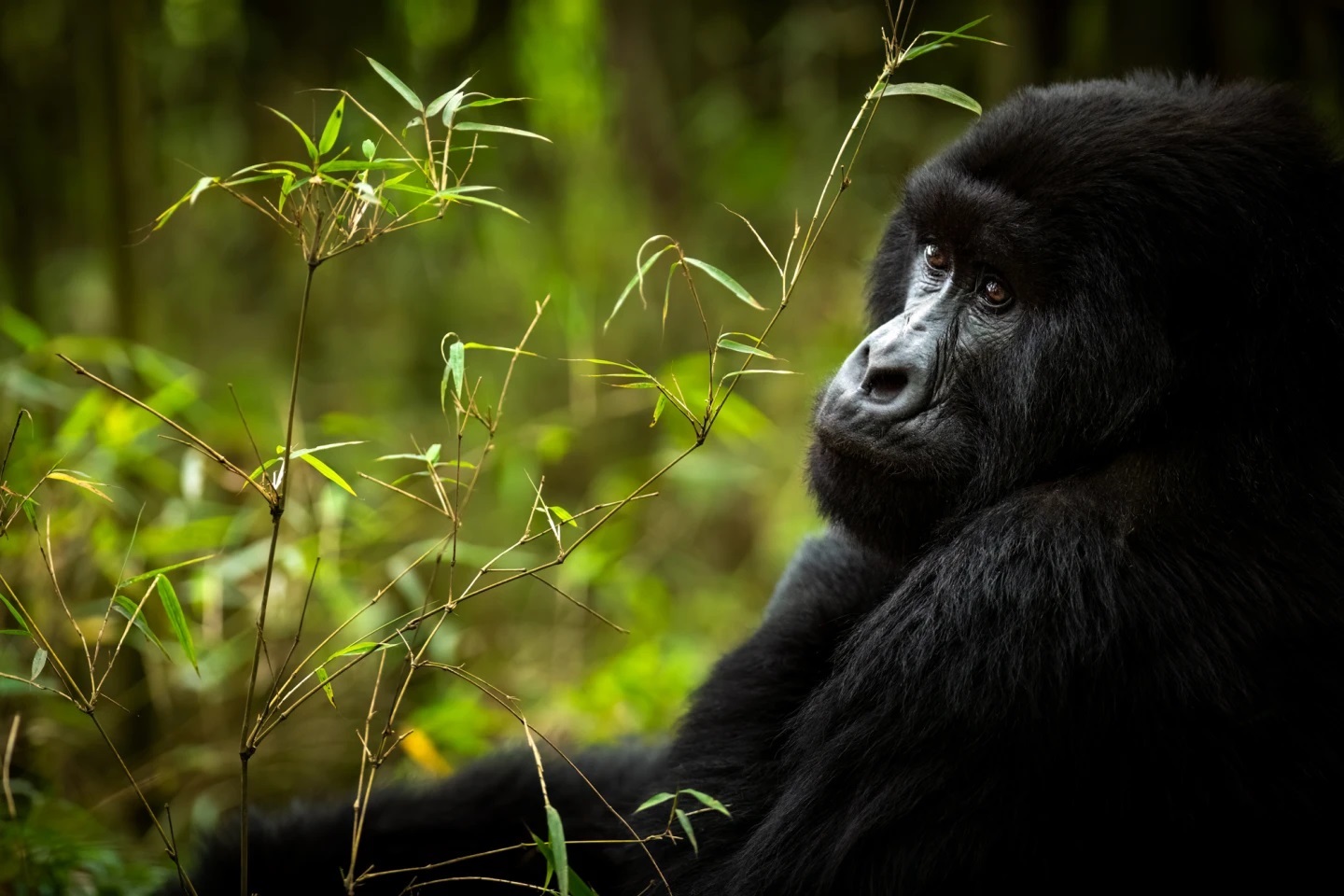
Entry to Bwindi Impenetrable National Park costs $40 per person per day, plus the mandatory $700 gorilla permit for your Gorilla Safaris Rwanda and Uganda experience. These fees support conservation efforts and local communities, making your visit directly contribute to gorilla protection. Additional costs include guide fees ($20-30), porter services ($15-20), and transportation within the park for your Gorilla Safaris Rwanda and Uganda adventure.
Many travelers underestimate the total park-related expenses for their Gorilla Safaris Rwanda and Uganda journey. Factor in accommodation near the park ($50-500 per night), meals ($15-50 per day), and optional activities like bird watching or community visits. The Uganda Wildlife Authority strictly controls visitor numbers, so book permits well in advance to secure your spot for this life-changing Gorilla Safaris Rwanda and Uganda experience.
Which is better for seeing gorillas, Uganda or Rwanda?
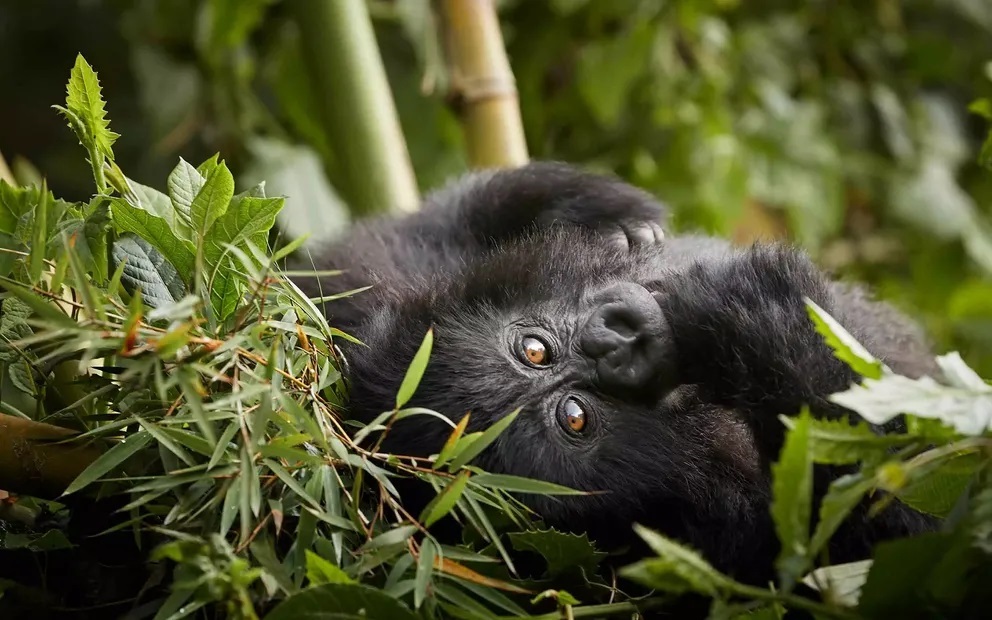
This question divides travelers planning Gorilla Safaris Rwanda and Uganda adventures! Rwanda wins on convenience and luxury - shorter travel times, better infrastructure, and premium accommodation options make it ideal for travelers with limited time. The country's commitment to conservation and tourism development shows in every aspect of your Gorilla Safaris Rwanda and Uganda experience, from smooth airport transfers to well-maintained facilities.
Uganda offers raw wilderness adventure and better value for money during your Gorilla Safaris Rwanda and Uganda journey. With more habituated gorilla families and lower permit costs, you get more bang for your buck. The trekking experience feels more authentic and challenging, which many adventure travelers prefer. I've guided clients to both countries, and honestly, the gorilla encounter itself is equally magical regardless of which destination you choose for your Gorilla Safaris Rwanda and Uganda adventure.
How much is a permit to see gorillas in Uganda?
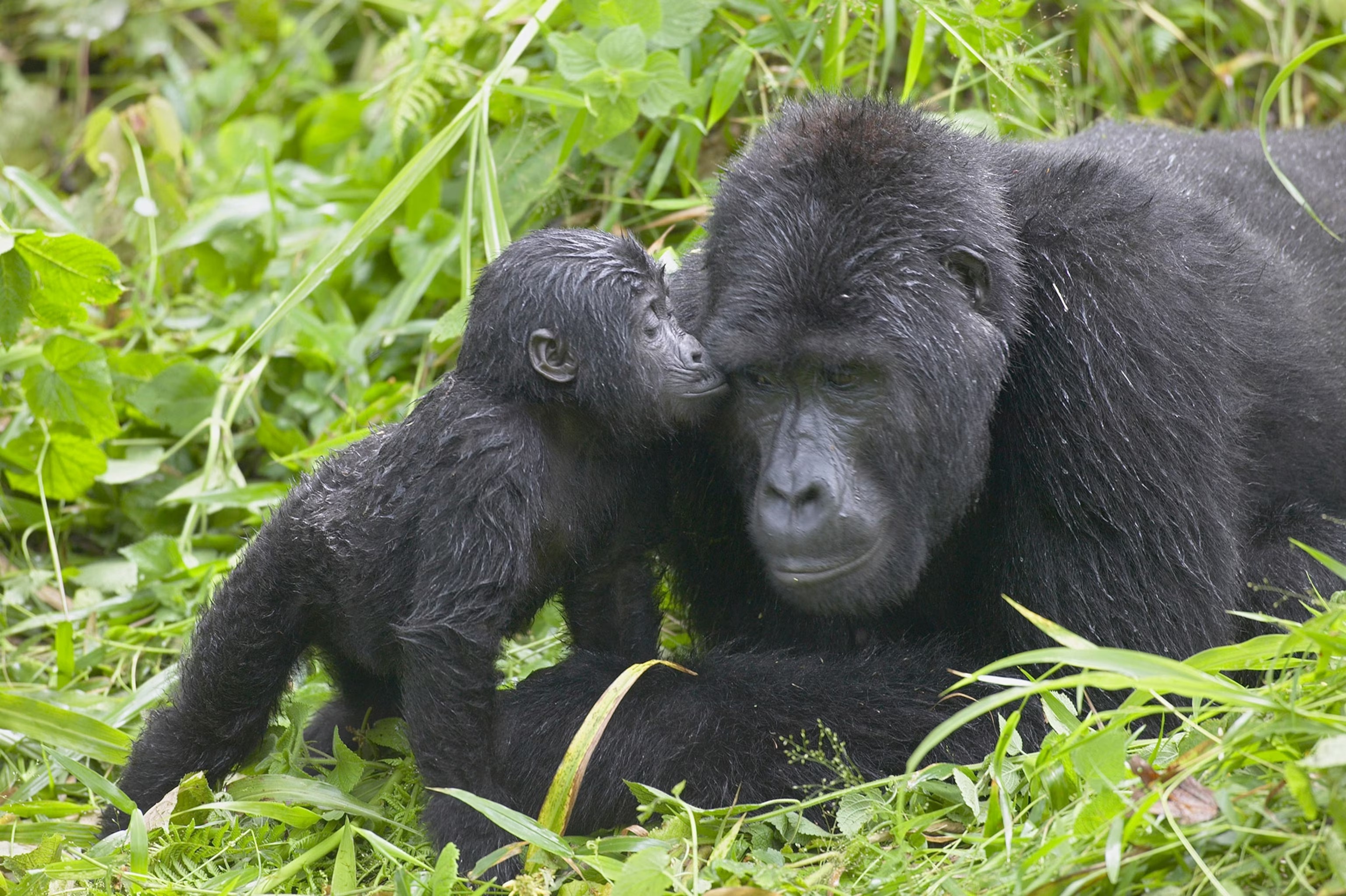
Gorilla permits in Uganda cost $700 per person for foreign non-residents, making it significantly cheaper than Rwanda's $1,500 permits for your Gorilla Safaris Rwanda and Uganda experience. East African residents pay $600, while Ugandan citizens pay just $250, reflecting the country's commitment to making gorilla tourism accessible to local communities. These permits are your golden ticket to one hour with mountain gorillas during your Gorilla Safaris Rwanda and Uganda adventure.
The permit price includes park entry, ranger guide services, and administrative fees that support conservation efforts for your Gorilla Safaris Rwanda and Uganda experience. You must book permits directly through Uganda Wildlife Authority or authorized tour operators to avoid scams. Permits sell out quickly during peak season, so book 3-6 months ahead for your desired dates. This investment directly funds gorilla protection and local community development around your Gorilla Safaris Rwanda and Uganda destination.
How long is the walk to see gorillas in Uganda?
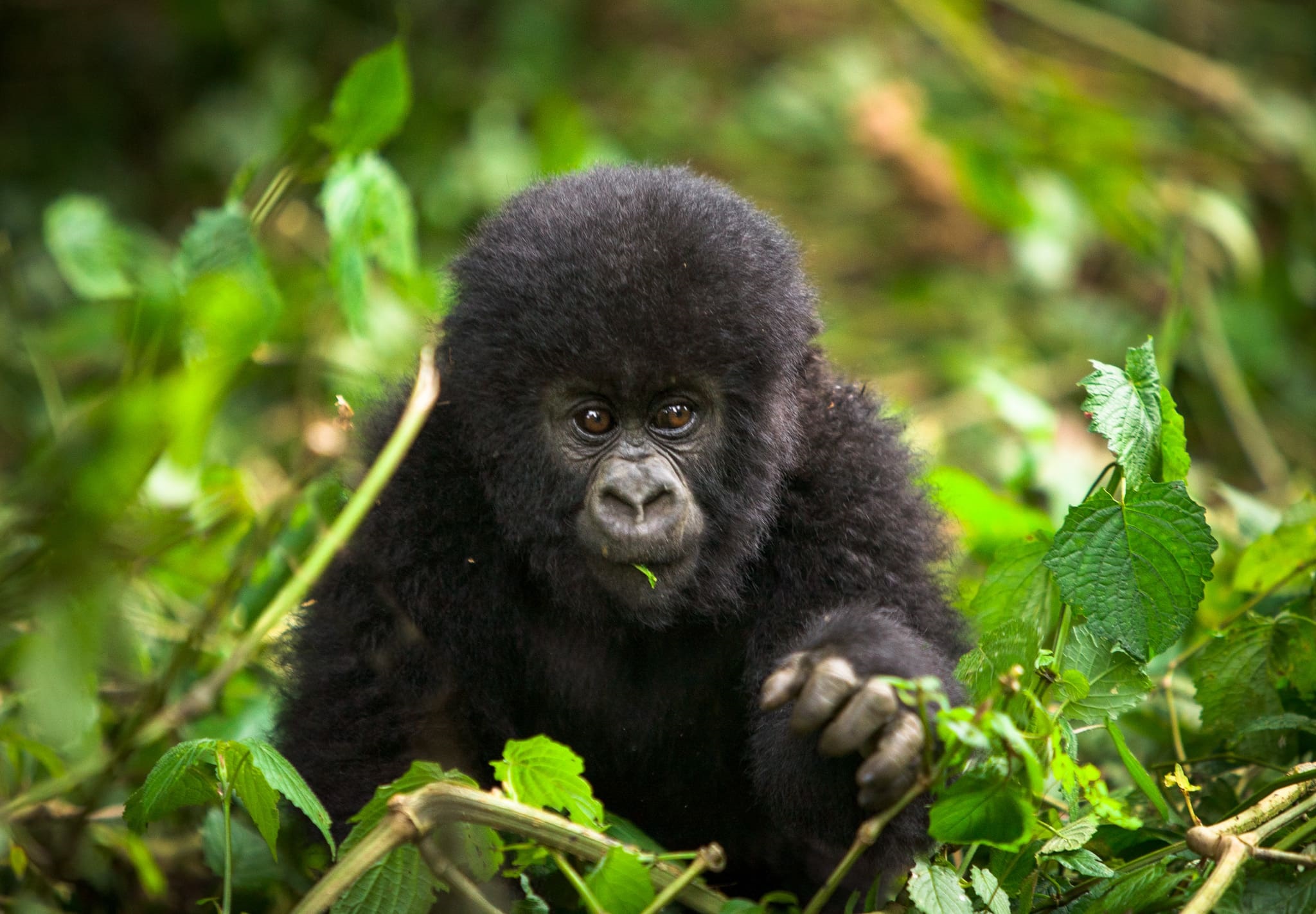
Gorilla trekking in Uganda can take anywhere from 30 minutes to 8 hours, depending on where the gorilla families are located on the day of your Gorilla Safaris Rwanda and Uganda adventure. The mountain gorillas move constantly searching for food, so yesterday's location means nothing for today's trek. Most treks last 2-6 hours of hiking through dense forest terrain, testing your endurance and determination during your Gorilla Safaris Rwanda and Uganda experience.
The unpredictable nature of gorilla movement makes each Gorilla Safaris Rwanda and Uganda adventure unique and exciting. Rangers track the gorillas from dawn using radio communication to locate families before tourist groups depart. Some days you'll find them quickly near the starting point, other days you'll climb steep mountain slopes for hours. The physical challenge adds to the reward when you finally encounter these magnificent creatures during your Gorilla Safaris Rwanda and Uganda journey.
How far in advance should I book gorilla trekking in Uganda?
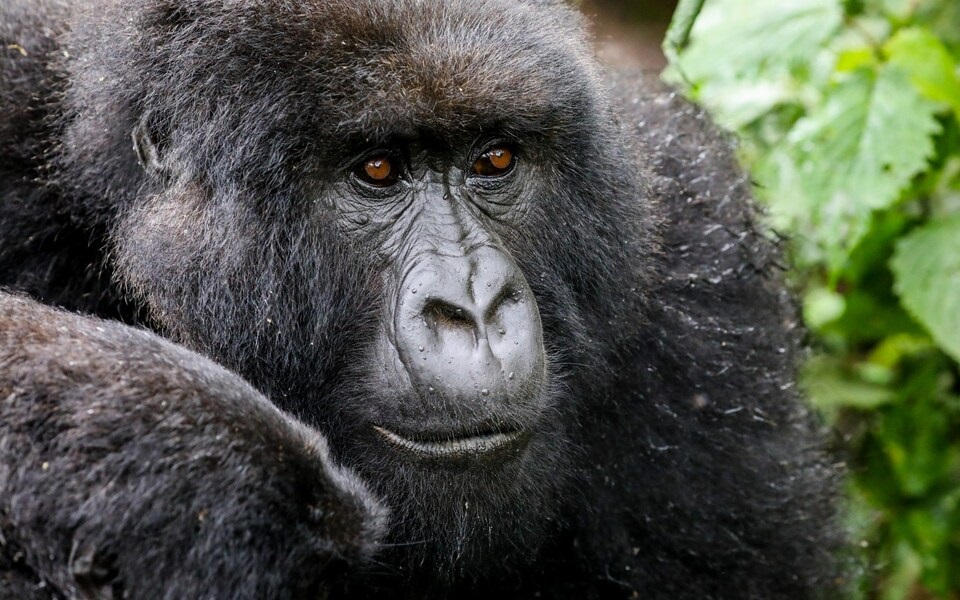
Book your Gorilla Safaris Rwanda and Uganda permits at least 3-6 months ahead, especially for peak season travel (June-September and December-February). During these busy periods, permits sell out quickly as only 8 people per day can visit each gorilla family. Last-minute bookings often lead to disappointment and missed opportunities for your dream Gorilla Safaris Rwanda and Uganda experience.
Planning ahead gives you better accommodation choices and competitive rates for your Gorilla Safaris Rwanda and Uganda adventure. Tour operators offer early booking discounts, and you'll have more flexibility in choosing your preferred travel dates. I've seen travelers arrive in Uganda hoping to get permits the next day, only to find everything booked for weeks ahead. Don't let poor planning ruin your once-in-a-lifetime Gorilla Safaris Rwanda and Uganda opportunity.
What time of day are gorillas most active?
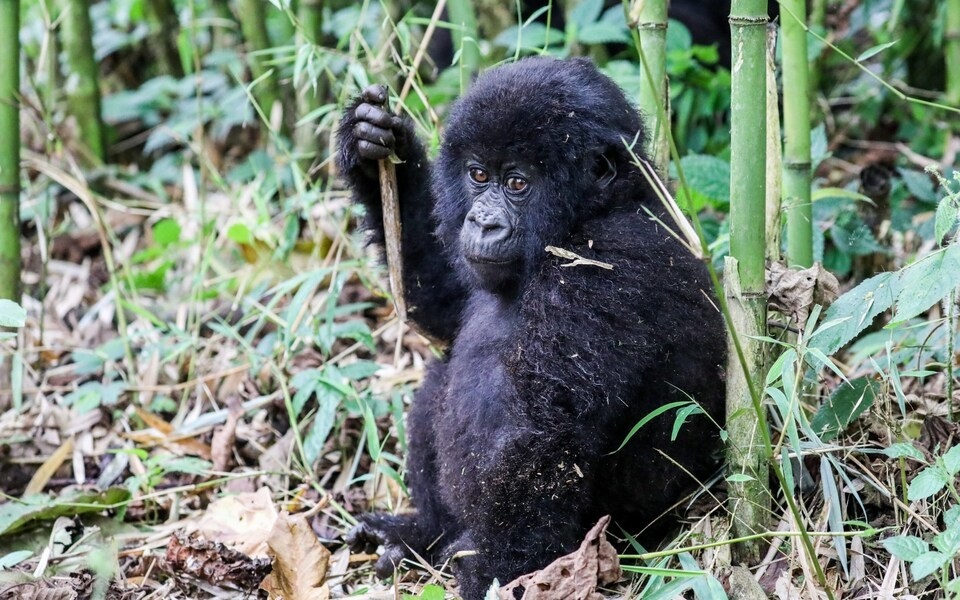
Mountain gorillas are most active during early morning and late afternoon hours, perfectly timing your Gorilla Safaris Rwanda and Uganda trekking schedule. Morning treks typically start between 8-9 AM when gorillas are feeding and moving, giving you the best chance of dynamic interactions. The cooler morning temperatures also make hiking more comfortable during your Gorilla Safaris Rwanda and Uganda adventure.
Gorilla families spend midday hours resting and socializing, which can actually provide incredible photo opportunities during your Gorilla Safaris Rwanda and Uganda experience. You'll witness tender moments between family members, playful juveniles, and the impressive silverback maintaining order. Evening activity picks up as gorillas prepare night nests, but tourism regulations restrict afternoon visits to protect the animals' natural rhythms during your Gorilla Safaris Rwanda and Uganda journey.
Is gorilla trekking worth the money?
Every penny spent on Gorilla Safaris Rwanda and Uganda experiences pays dividends in memories that last a lifetime! The high permit costs directly fund conservation efforts that brought mountain gorillas back from the brink of extinction. When you look into a gorilla's eyes and see that spark of intelligence and recognition, you'll understand why people travel from around the world for this Gorilla Safaris Rwanda and Uganda adventure.
The economic impact extends beyond conservation to local communities who benefit from tourism revenue generated by Gorilla Safaris Rwanda and Uganda visits. Former poachers now work as guides and porters, creating sustainable livelihoods while protecting gorillas. Yes, it's expensive, but this investment supports one of conservation's greatest success stories. Many travelers describe their gorilla encounter as life-changing, making the cost seem insignificant compared to the experience during their Gorilla Safaris Rwanda and Uganda journey.
How to dress for gorilla trekking?
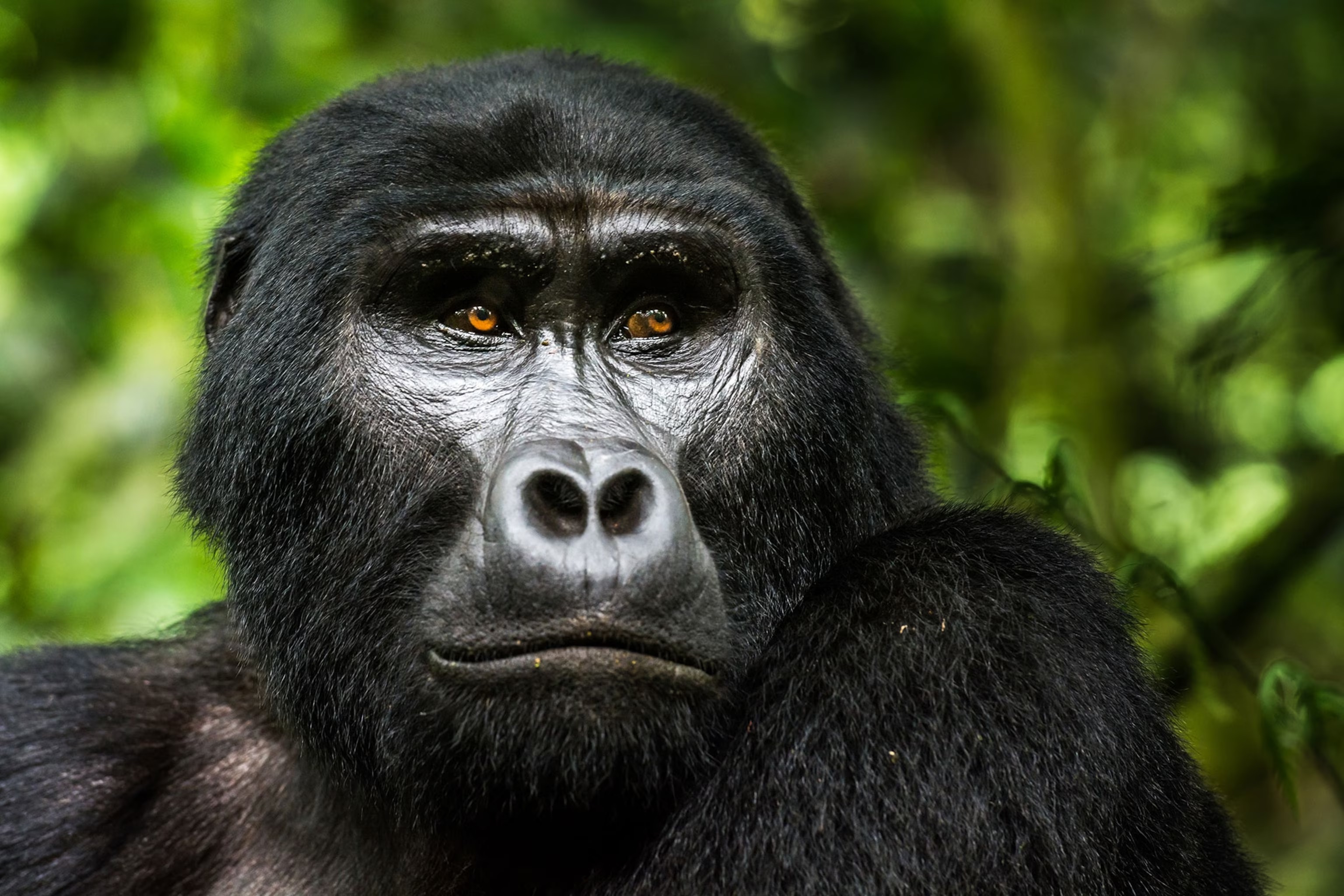
Proper clothing makes or breaks your Gorilla Safaris Rwanda and Uganda experience! Wear long pants and long-sleeved shirts to protect against thorns, stinging nettles, and insects in the dense forest. Choose neutral colors like khaki, brown, or olive green that blend with the forest environment. Bright colors might disturb the gorillas and definitely mark you as a tourist during your Gorilla Safaris Rwanda and Uganda adventure.
Layer your clothing for temperature changes during your Gorilla Safaris Rwanda and Uganda trek - mornings start cool but hiking warms you up quickly. Pack a light rain jacket since mountain weather changes unpredictably. Avoid wearing perfumes or strong scents that might affect gorilla behavior. Cotton clothing becomes uncomfortable when wet, so choose moisture-wicking fabrics. Your comfort directly impacts your enjoyment during this once-in-a-lifetime Gorilla Safaris Rwanda and Uganda experience.
How fit do you need to be for Uganda gorilla trekking?
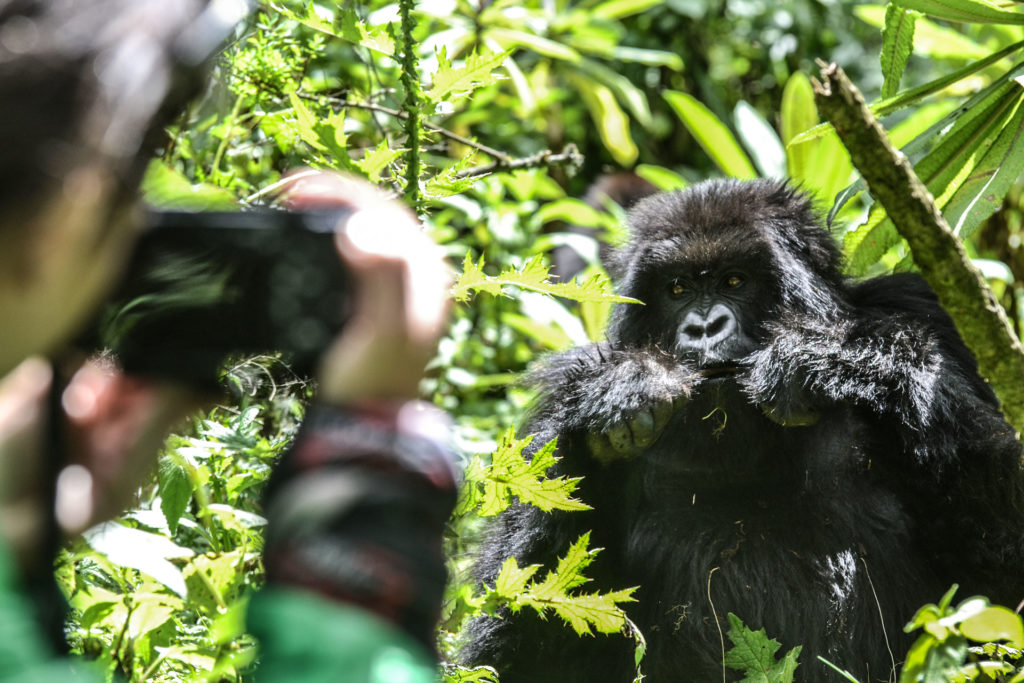
Gorilla trekking demands moderate to good fitness levels for your Gorilla Safaris Rwanda and Uganda adventure, but don't let this discourage you! The terrain includes steep climbs, muddy paths, and dense vegetation that challenges even regular hikers. Most people with reasonable fitness can complete the trek, though it might take longer and require more rest stops during your Gorilla Safaris Rwanda and Uganda experience.
Start preparing 2-3 months before your Gorilla Safaris Rwanda and Uganda trip with regular cardio exercise and hiking practice. Focus on building leg strength and endurance for uphill climbing. Remember, porters are available to carry your backpack and provide support if needed. Age isn't necessarily a barrier - I've seen 70-year-olds complete challenging treks successfully. The key is honest self-assessment and proper preparation for your Gorilla Safaris Rwanda and Uganda adventure.
What is the cheapest way to go gorilla trekking?
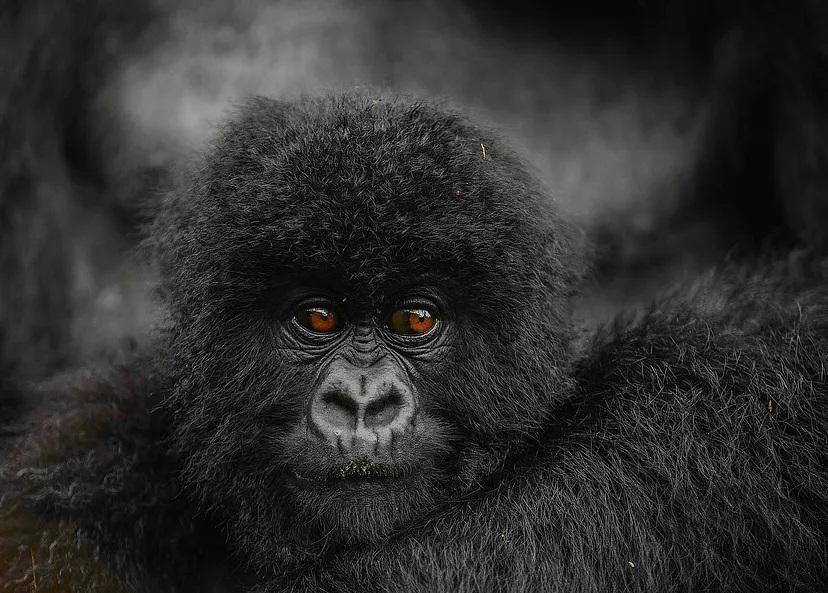
Budget-conscious travelers can enjoy Gorilla Safaris Rwanda and Uganda experiences without breaking the bank by choosing Uganda over Rwanda and traveling during low season. Join group tours instead of private arrangements to share costs with other travelers. Book directly with local operators rather than international companies to avoid markup fees for your Gorilla Safaris Rwanda and Uganda adventure.
Consider camping or budget accommodations near Bwindi to minimize accommodation costs during your Gorilla Safaris Rwanda and Uganda experience. Cook your own meals when possible, though most budget lodges include meals in their rates. Use public transportation or shared taxis instead of private transfers. The key is balancing cost savings with safety and comfort - some expenses like permits and guide fees are non-negotiable for your Gorilla Safaris Rwanda and Uganda journey.
How do I prepare for gorilla trekking in Uganda?
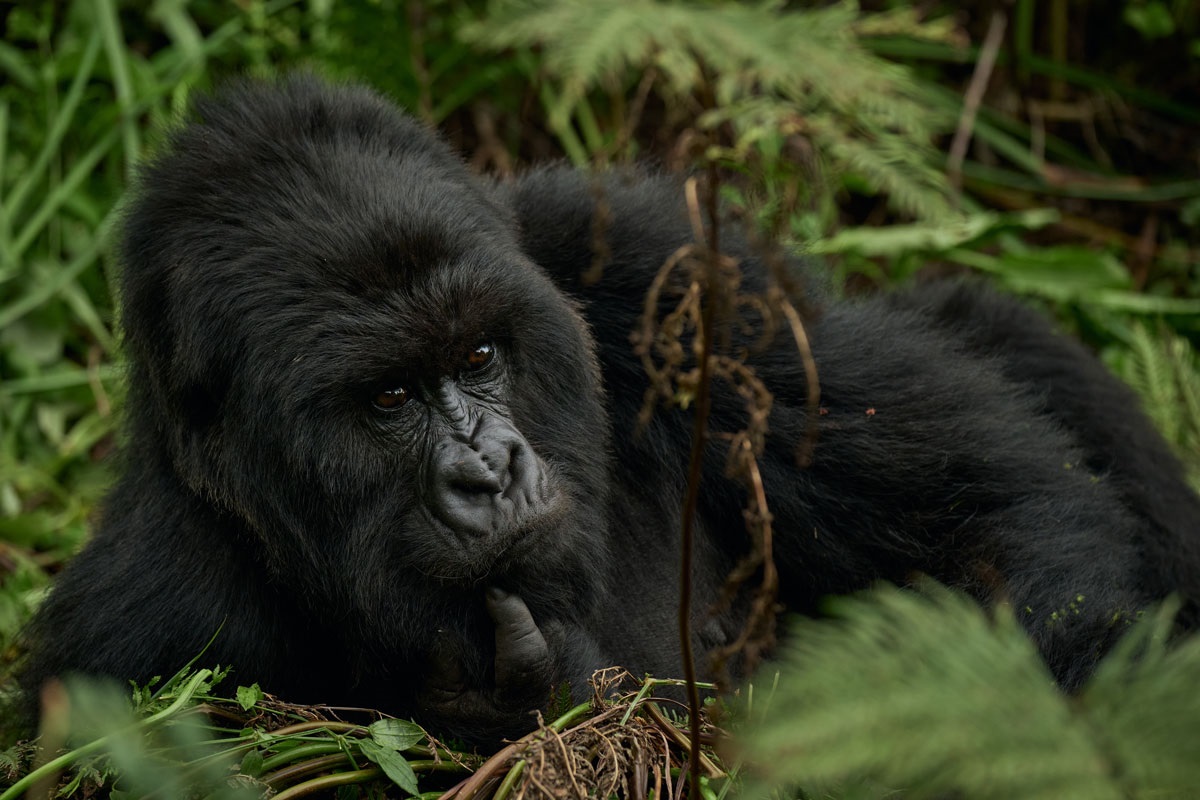
Preparation starts months before your Gorilla Safaris Rwanda and Uganda adventure with physical fitness training focused on cardio and leg strength. Practice hiking with a backpack to simulate trek conditions. Get required vaccinations including yellow fever, and consider malaria prophylaxis depending on your itinerary. Mental preparation is equally important - understand that gorilla encounters are unpredictable during your Gorilla Safaris Rwanda and Uganda experience.
Pack essential items like waterproof hiking boots, rain gear, and basic first aid supplies for your Gorilla Safaris Rwanda and Uganda trek. Bring a good camera with extra batteries since charging opportunities are limited in remote areas. Study gorilla behavior and photography tips to maximize your encounter time. Most importantly, manage your expectations - while gorilla sightings are almost guaranteed, each encounter is unique during your Gorilla Safaris Rwanda and Uganda adventure.
Do you need gloves for gorilla trekking?
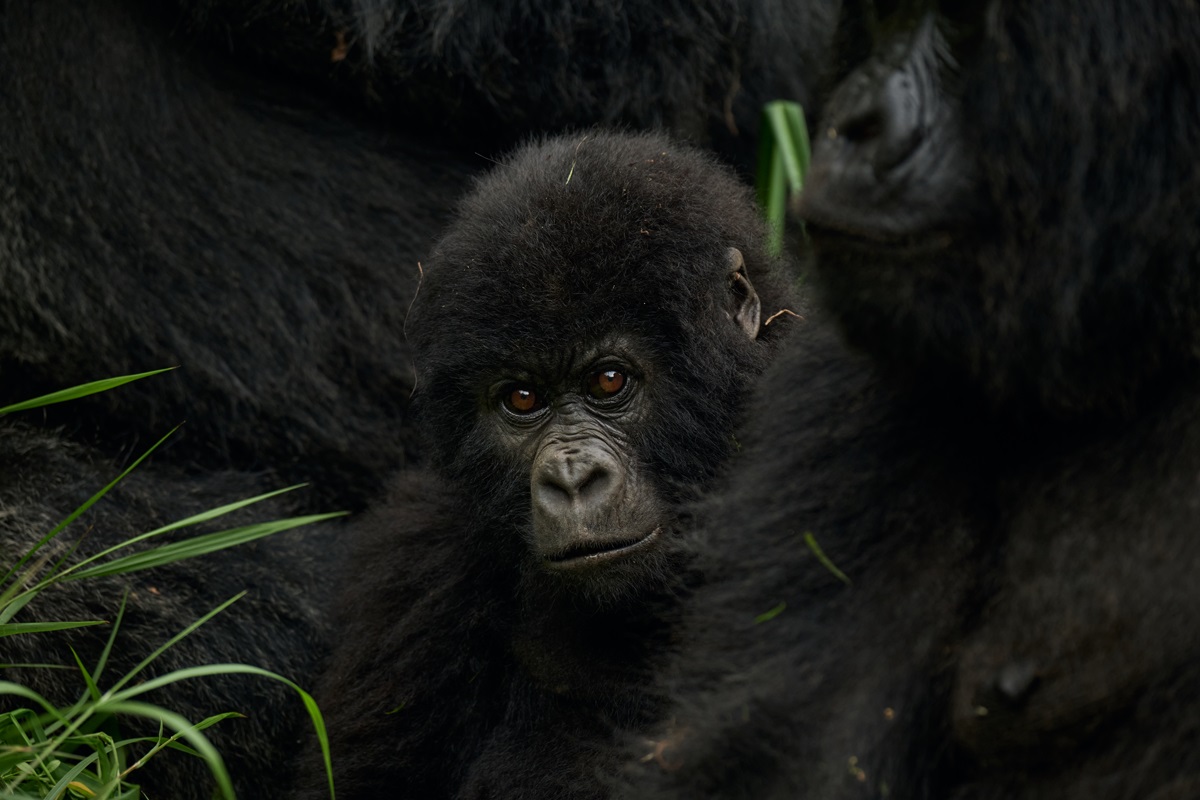
Gardening gloves are absolutely essential for your Gorilla Safaris Rwanda and Uganda adventure! The forest is full of thorns, stinging nettles, and rough vegetation that can tear up your hands during the trek. Gloves protect you when grabbing branches for support on steep terrain and prevent cuts from sharp plants. Many first-time visitors underestimate how much they'll need hand protection during their Gorilla Safaris Rwanda and Uganda experience.
Choose lightweight, grippy gloves that won't interfere with camera operation during your Gorilla Safaris Rwanda and Uganda encounter. Avoid heavy work gloves that make handling equipment difficult. Some lodges provide gloves, but bringing your own ensures proper fit and comfort. I've seen too many travelers struggling with torn hands because they skipped this simple protection during their Gorilla Safaris Rwanda and Uganda adventure.
What shoes do you need for gorilla trekking?
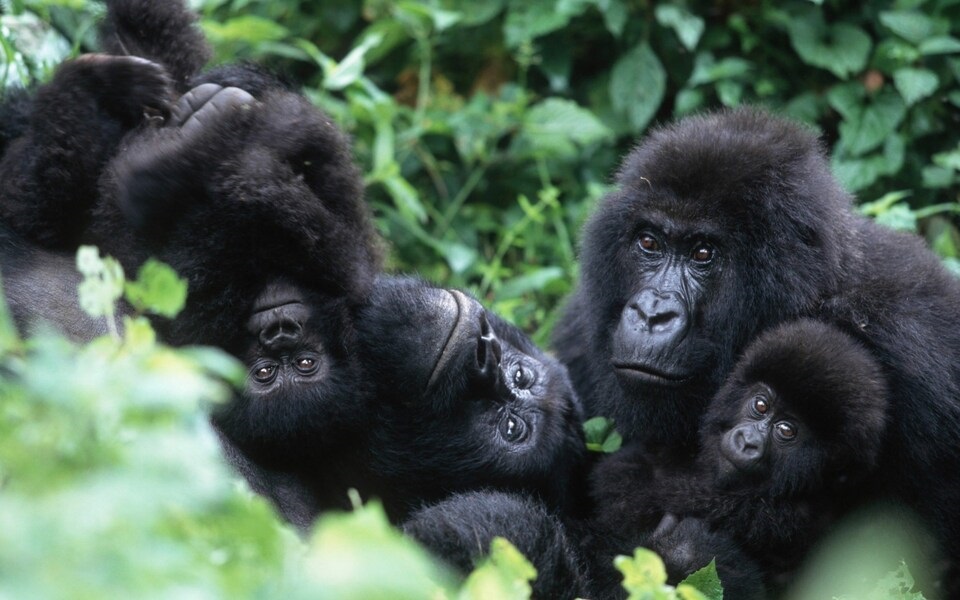
Waterproof hiking boots are non-negotiable for your Gorilla Safaris Rwanda and Uganda adventure! The forest terrain includes muddy paths, stream crossings, and steep rocky sections that demand serious footwear. Choose boots with aggressive tread patterns for traction on slippery surfaces. Ankle support prevents injuries on uneven ground during your challenging Gorilla Safaris Rwanda and Uganda trek.
Break in your boots before travel to prevent blisters during your Gorilla Safaris Rwanda and Uganda experience. Leather boots offer durability but take longer to dry if soaked. Synthetic materials dry faster but may wear out quicker. Pack gaiters to keep mud and debris out of your boots. Your feet will thank you for investing in quality footwear that makes your Gorilla Safaris Rwanda and Uganda adventure more comfortable and safer.
Are tsetse flies in Bwindi?
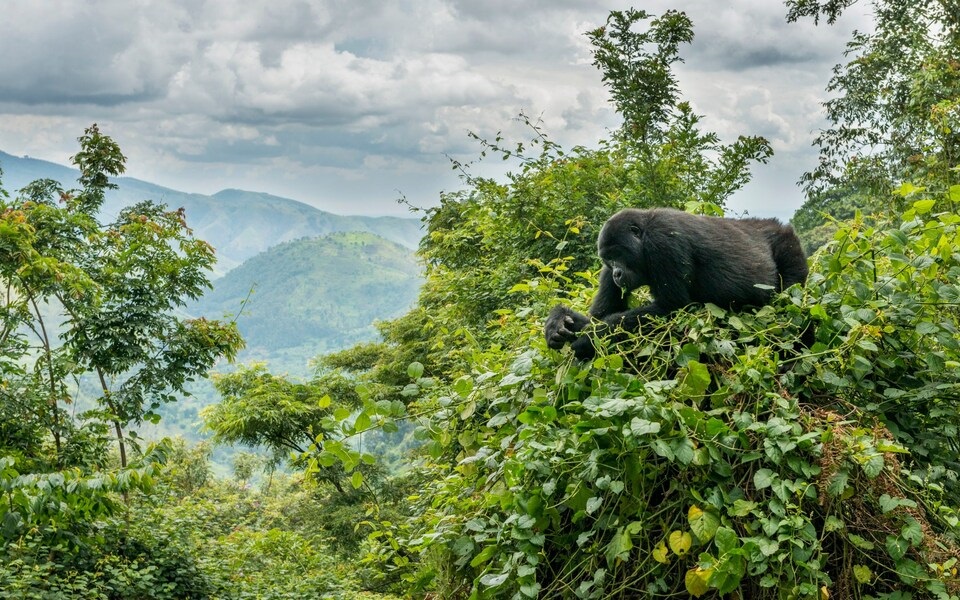
Yes, tsetse flies exist in Bwindi Impenetrable Forest and can impact your Gorilla Safaris Rwanda and Uganda experience! These large, aggressive flies bite through thin clothing and can transmit sleeping sickness, though cases are rare among tourists. They're attracted to dark colors and movement, making them particularly annoying during active trekking. Long pants and long sleeves provide the best protection during your Gorilla Safaris Rwanda and Uganda adventure.
The good news is that tsetse flies are most active during midday heat when you're likely deep in the forest tracking gorillas for your Gorilla Safaris Rwanda and Uganda experience. They're less bothersome in early morning and late afternoon. Use insect repellent containing DEET, though it's not 100% effective against tsetse flies. Don't let these pesky insects deter you from your dream Gorilla Safaris Rwanda and Uganda adventure - proper preparation minimizes their impact.
Why do people wear masks when gorilla trekking?
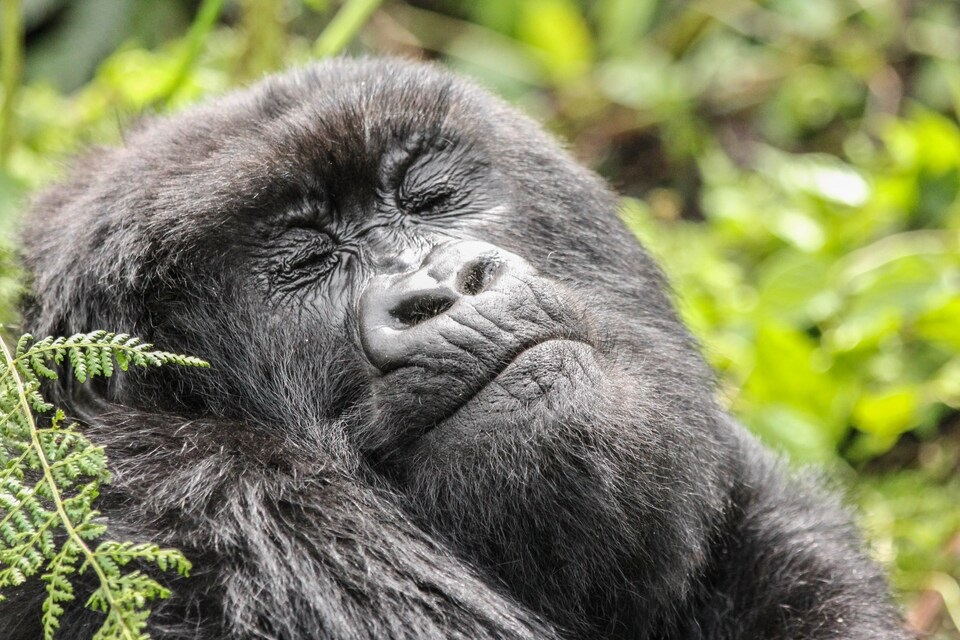
Face masks protect both you and the gorillas during your Gorilla Safaris Rwanda and Uganda encounter! Mountain gorillas share 98% of human DNA, making them susceptible to human diseases including common colds and flu. A tourist's sneeze could potentially wipe out an entire gorilla family, making masks crucial for responsible tourism during your Gorilla Safaris Rwanda and Uganda adventure.
The COVID-19 pandemic reinforced the importance of masks during Gorilla Safaris Rwanda and Uganda experiences. Even minor human illnesses can be fatal to gorillas who lack immunity to human pathogens. Masks also protect you from airborne particles and forest debris during hiking. Most tour operators provide masks, but bringing your own ensures comfort and proper fit during your Gorilla Safaris Rwanda and Uganda journey.
Can I use sneakers for trekking?
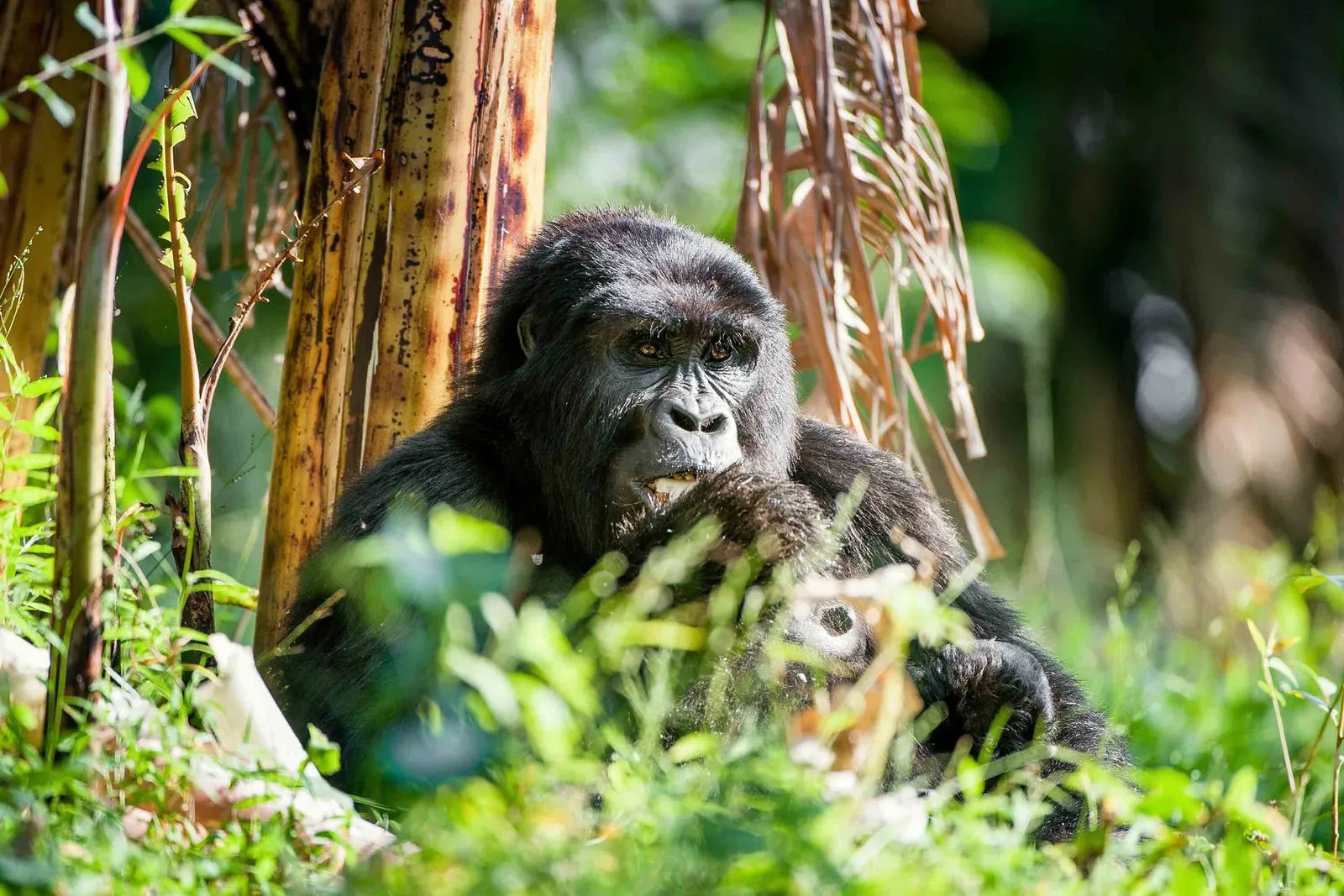
Sneakers are inadequate for the challenging terrain of Gorilla Safaris Rwanda and Uganda adventures! The forest includes muddy paths, stream crossings, and steep rocky sections that require proper hiking boots. Sneakers lack ankle support, waterproofing, and aggressive tread patterns needed for safe trekking. Many visitors underestimate how demanding the terrain can be during their Gorilla Safaris Rwanda and Uganda experience.
I've seen tourists slip and fall wearing sneakers during their Gorilla Safaris Rwanda and Uganda trek, potentially injuring themselves and missing the gorilla encounter. The forest floor is often slippery from rain and organic matter, requiring boots with excellent traction. Sneakers also get soaked and stay wet, leading to uncomfortable conditions and potential foot problems. Invest in proper hiking boots for your safety and comfort during your Gorilla Safaris Rwanda and Uganda adventure.
What is the difference between gorilla trekking and chimpanzee trekking?
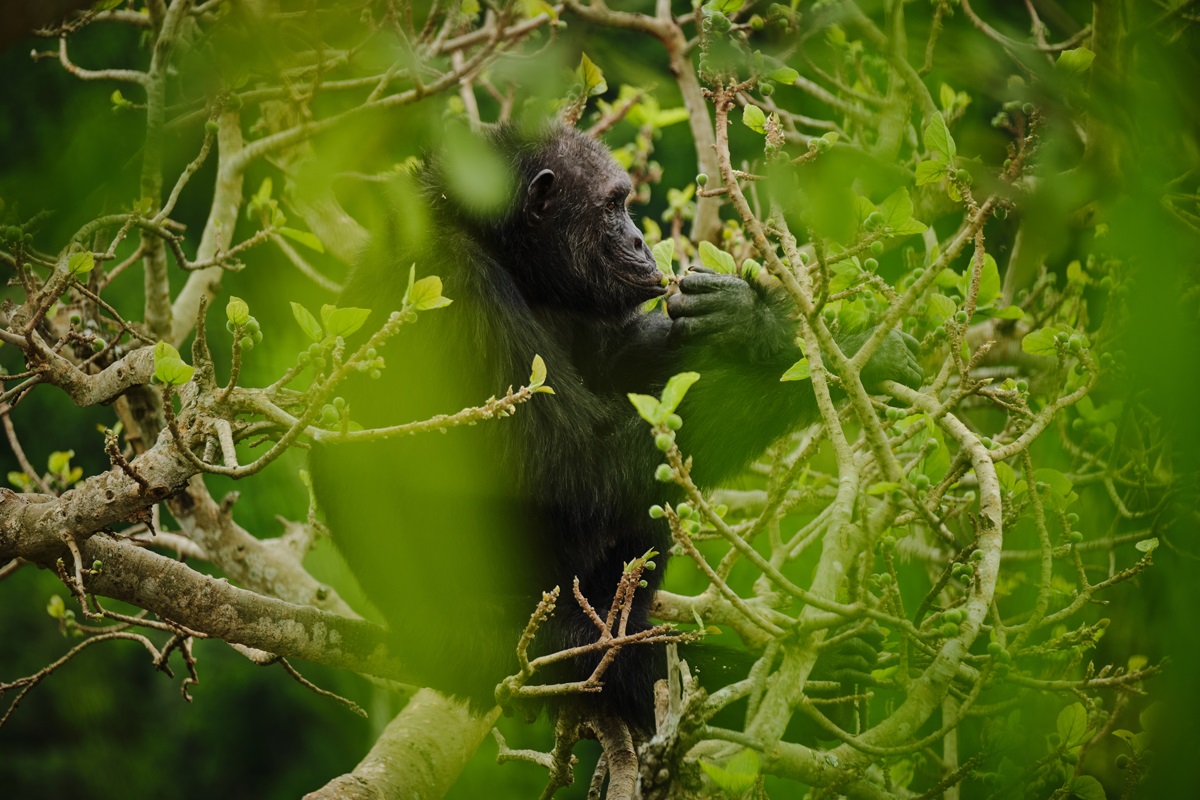
Gorilla trekking and chimpanzee trekking offer completely different experiences during your Gorilla Safaris Rwanda and Uganda adventure! Gorilla encounters are more intimate and calm - you'll sit quietly observing family interactions from just a few meters away. Chimpanzees are more active and vocal, swinging through trees and creating exciting but chaotic viewing opportunities. The pace and atmosphere differ dramatically between these two primate experiences during your Gorilla Safaris Rwanda and Uganda journey.
Gorilla permits cost significantly more than chimpanzee permits, reflecting the rarity and exclusivity of mountain gorilla encounters during your Gorilla Safaris Rwanda and Uganda experience. Chimpanzee trekking allows larger groups and longer viewing times, while gorilla visits are strictly limited to 8 people for one hour. Both experiences complement each other perfectly - many travelers include both activities in their comprehensive Gorilla Safaris Rwanda and Uganda itinerary for the ultimate primate adventure.
What type of footwear is best for trekking?
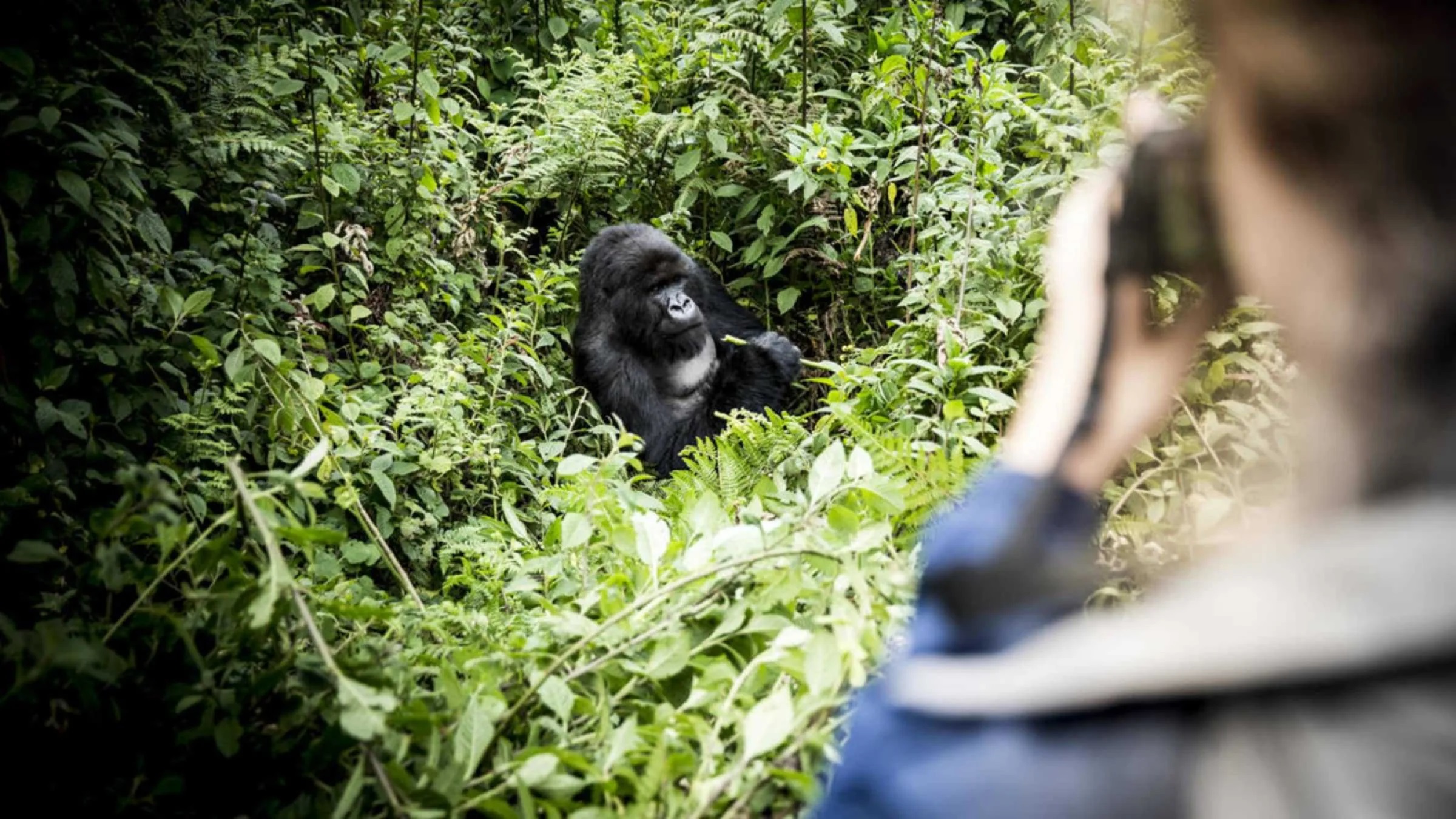
Waterproof hiking boots with ankle support are essential for your Gorilla Safaris Rwanda and Uganda adventure! The forest terrain demands footwear that can handle muddy paths, stream crossings, and steep rocky sections. Choose boots with aggressive tread patterns for maximum traction on slippery surfaces. Proper ankle support prevents injuries on uneven ground during your challenging Gorilla Safaris Rwanda and Uganda trek.
Quality hiking boots make the difference between an enjoyable and miserable experience during your Gorilla Safaris Rwanda and Uganda journey. Look for boots with waterproof membranes like Gore-Tex that keep feet dry while allowing breathability. Leather boots offer durability but take longer to dry if soaked. Synthetic materials dry faster but may wear out quicker. Break in new boots before travel to prevent blisters during your Gorilla Safaris Rwanda and Uganda adventure.
Can I wear sandals for trekking?
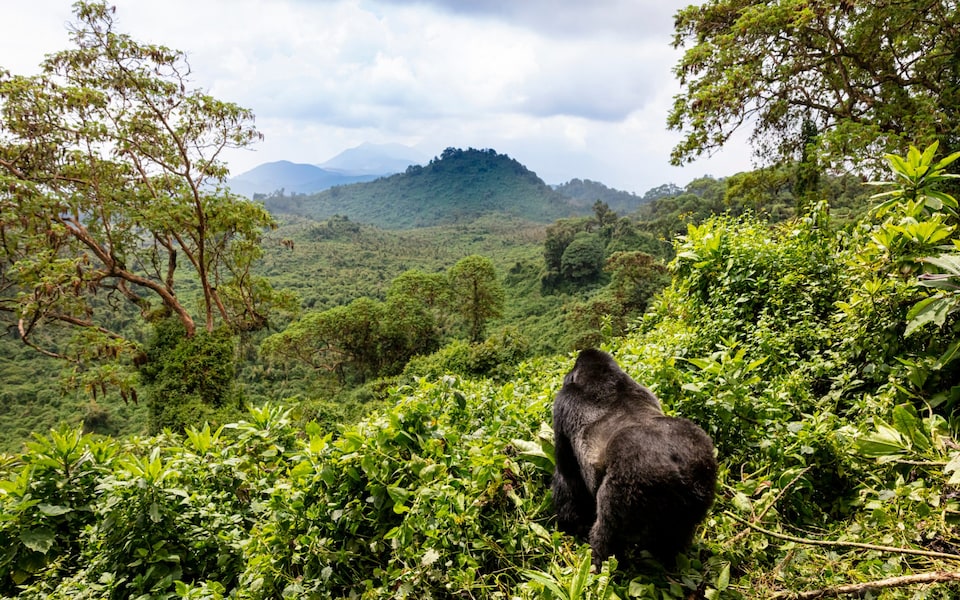
Absolutely not! Sandals are completely inappropriate for Gorilla Safaris Rwanda and Uganda adventures. The forest is full of thorns, stinging nettles, and rough terrain that will tear up exposed feet. You'll encounter muddy paths, stream crossings, and steep rocky sections that require proper foot protection. Sandals provide no ankle support and offer terrible traction on slippery surfaces during your Gorilla Safaris Rwanda and Uganda experience.
I've never seen anyone successfully complete a gorilla trek wearing sandals during their Gorilla Safaris Rwanda and Uganda adventure. The forest floor is often covered in organic matter, thorns, and potentially harmful insects that require full foot coverage. Rangers may refuse to allow poorly equipped hikers to join treks for safety reasons. Invest in proper waterproof hiking boots for your safety and comfort during your Gorilla Safaris Rwanda and Uganda journey.
What is the difference between hiking and trekking shoes?
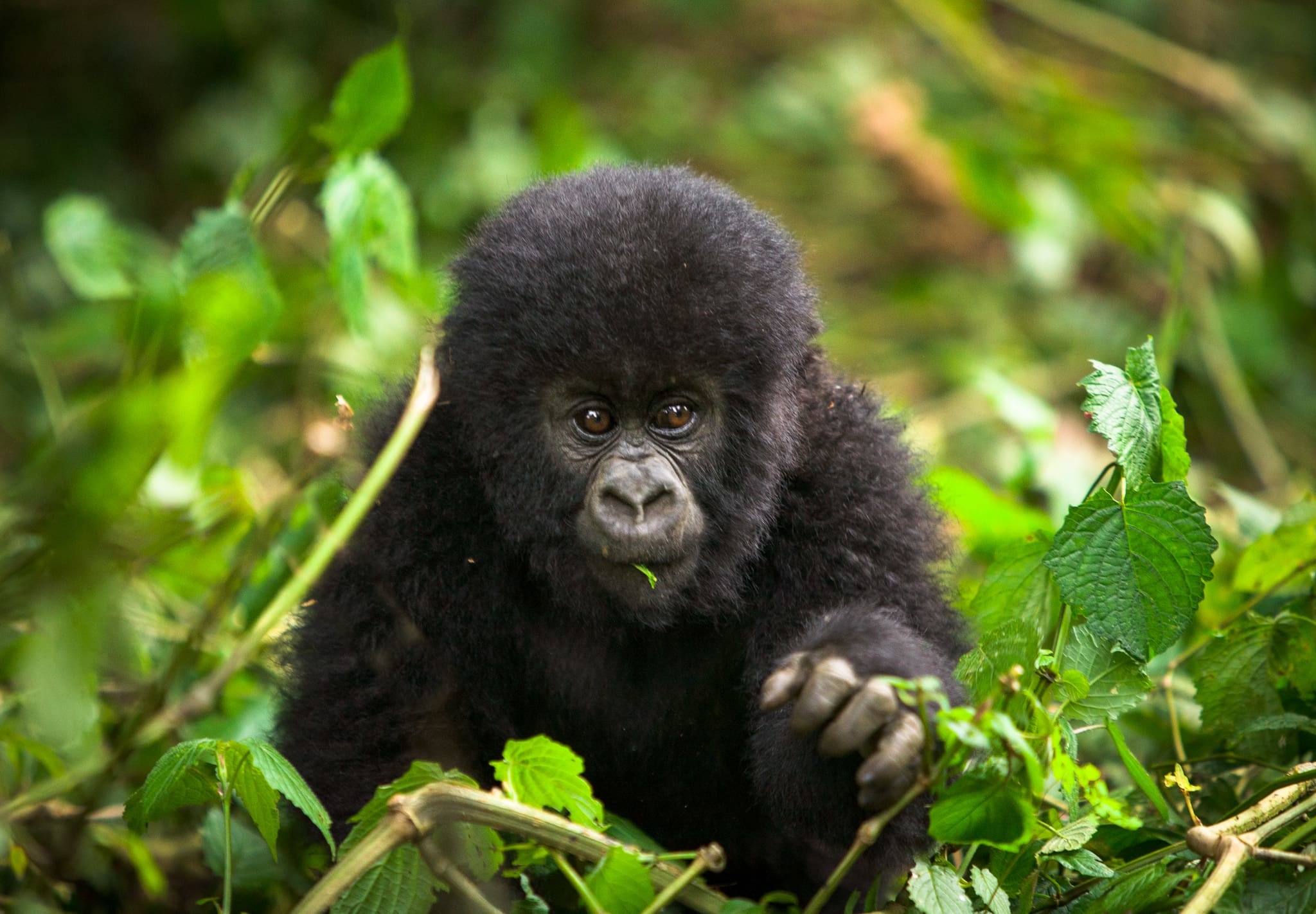
Hiking shoes are lighter and more flexible, suitable for day hikes and well-maintained trails, while trekking boots offer superior ankle support and durability for challenging terrain like your Gorilla Safaris Rwanda and Uganda adventure. Trekking boots are designed for multi-day expeditions with heavy packs, featuring stiffer soles and more robust construction. The mountain gorilla habitat demands trekking boot performance for safety and comfort during your Gorilla Safaris Rwanda and Uganda experience.
For your Gorilla Safaris Rwanda and Uganda trek, choose boots over shoes every time! The forest terrain includes steep climbs, muddy paths, and unpredictable surfaces that require maximum foot and ankle protection. Trekking boots also offer better waterproofing and insulation for varying weather conditions. While hiking shoes might work for easier trails, the stakes are too high during your once-in-a-lifetime Gorilla Safaris Rwanda and Uganda adventure to risk inadequate footwear.
What sneakers are good for hiking?
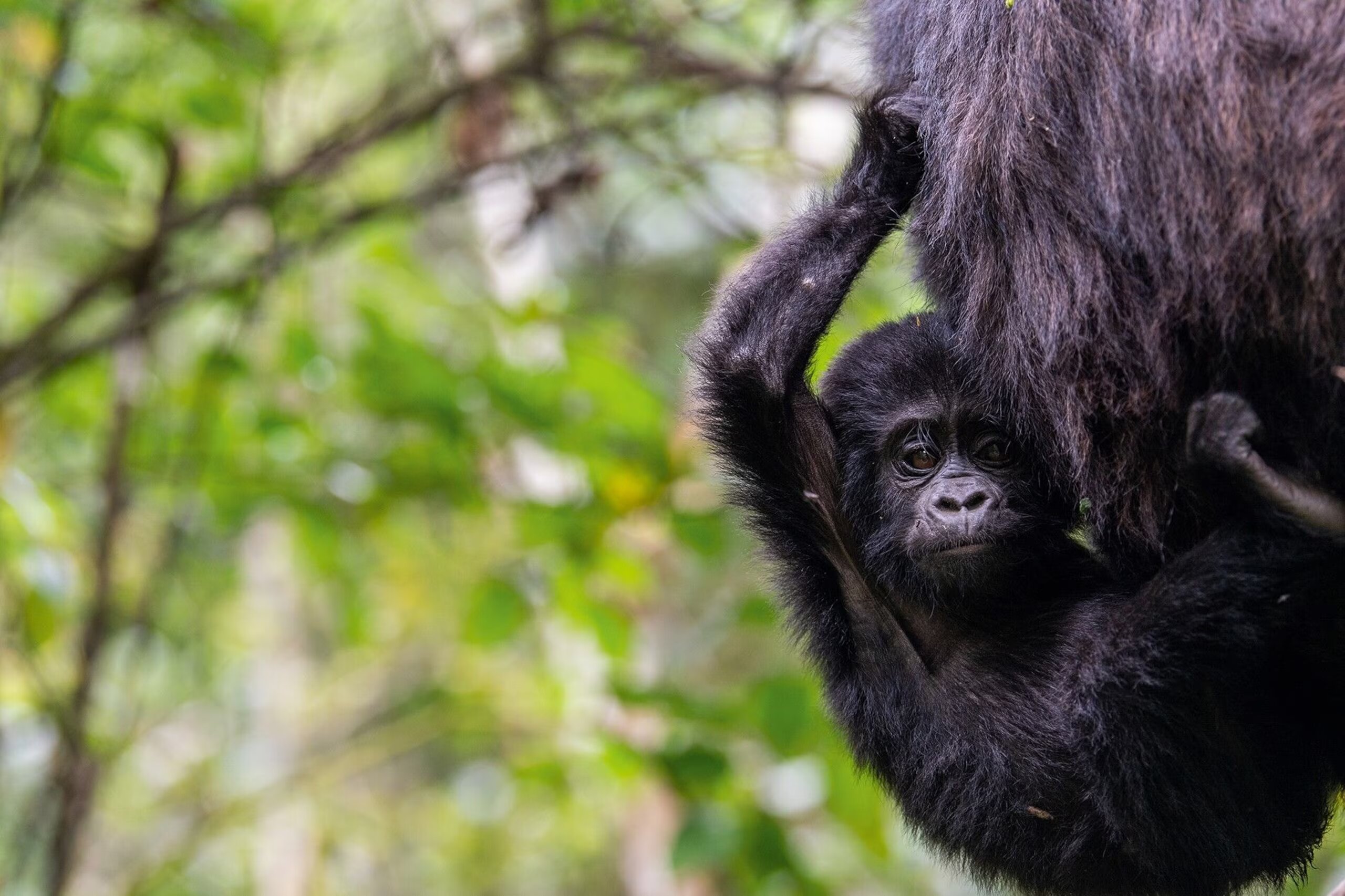
The honest answer is that no sneakers are suitable for serious hiking during your Gorilla Safaris Rwanda and Uganda adventure! Even trail running shoes lack the ankle support, waterproofing, and aggressive tread patterns needed for mountain gorilla habitat. The forest terrain includes muddy paths, stream crossings, and steep rocky sections that require proper hiking boots. Sneakers simply cannot handle these challenging conditions during your Gorilla Safaris Rwanda and Uganda experience.
Trail running shoes might work for easy day hikes on maintained paths, but your Gorilla Safaris Rwanda and Uganda trek demands serious footwear. The consequences of inadequate shoes include slips, falls, and potential injuries that could ruin your entire adventure. Rangers may refuse to allow poorly equipped hikers to join treks for safety reasons. Don't compromise your safety and comfort during your once-in-a-lifetime Gorilla Safaris Rwanda and Uganda journey by choosing inappropriate footwear.
Bottom Line
Planning your Gorilla Safaris Rwanda and Uganda adventure doesn't have to feel overwhelming anymore! These 20 frequently asked questions cover everything from permit costs to proper footwear, giving you the confidence to make informed decisions. The key takeaway is that both Rwanda and Uganda offer incredible gorilla encounters, but your choice depends on budget, time constraints, and personal preferences for your Gorilla Safaris Rwanda and Uganda experience.
The investment in Gorilla Safaris Rwanda and Uganda adventures pays dividends in memories that last forever while supporting crucial conservation efforts. Whether you choose Uganda for budget-friendly options or Rwanda for convenience, proper preparation makes all the difference. Remember that gorilla permits sell out quickly, so book 3-6 months ahead for your preferred dates.
Your Gorilla Safaris Rwanda and Uganda journey represents more than just a wildlife encounter - it's a chance to connect with our closest relatives and contribute to one of conservation's greatest success stories. The moment you lock eyes with a mountain gorilla will make every dollar spent and every challenging step worthwhile. Start planning your life-changing adventure today, and prepare for an experience that will forever change how you see the world and our place in it.