What to See and Do in Gishwati-Mukura National Park
Here's where the real magic happens! Guided forest walks through the Gishwati sector represent the crown jewel among things to do in Gishwati-Mukura National Park. These excursions offer genuine opportunities to encounter semi-habituated chimpanzees in their natural habitat – an experience that will permanently change your perspective on our closest relatives. The walking trails wind through diverse forest zones, from dense canopy areas where golden monkeys play overhead to clearings where l'Hoest's monkeys forage peacefully. Each step brings new possibilities for wildlife encounters that make things to do in Gishwati-Mukura National Park unforgettable.
The exclusive nature of these activities adds to their appeal – guided walks are only available to guests staying at the community-owned guesthouse. This restriction ensures small group sizes and minimal environmental impact while maintaining the intimate atmosphere that makes things to do in Gishwati-Mukura National Park so special. Your expert guides possess intimate knowledge of individual chimp behaviors, seasonal patterns, and the best locations for wildlife photography. They'll teach you to recognize different call patterns and interpret behavioral cues that enhance your forest experience.
Bird enthusiasts discover that things to do in Gishwati-Mukura National Park extend far beyond primate encounters. The forest hosts numerous Albertine Rift endemic species that exist nowhere else on Earth. The Mukura sector, while lacking organized activities, provides exceptional birding opportunities for independent travelers with proper guides. Species lists grow rapidly as you explore different elevations and habitat types throughout the park.
Forest photography workshops and nature interpretation sessions complement the wildlife tracking activities. Local guides share traditional ecological knowledge passed down through generations, creating cultural connections that enrich your understanding of forest ecosystems. Night walks reveal different animal behaviors and nocturnal species rarely seen during daylight hours.
Best Time to Visit Gishwati-Mukura National Park
The frustrating truth about planning your visit? Weather can be unpredictable year-round! But here's the insider knowledge you need: the best time for things to do in Gishwati-Mukura National Park falls during the dry season from June to September. During these months, hiking conditions reach their peak, making forest walks more enjoyable and wildlife spotting significantly easier. The trails become less treacherous, and you won't spend half your time slipping on muddy paths – trust me on this one.
What makes this period special for things to do in Gishwati-Mukura National Park is the abundance of sunshine between occasional showers. The forest comes alive during these months, with chimps more active during cooler morning hours and golden monkeys playfully swinging through the canopy. While rain can still surprise you at any time, the intensity and frequency drop considerably during the dry season. Planning things to do in Gishwati-Mukura National Park during this window means you'll spend more time observing wildlife and less time seeking shelter.
The dry season also coincides with clearer mountain views and better photography conditions. Your chances of successful primate encounters increase substantially when trails are accessible and animals aren't seeking shelter from heavy downpours. Pack layers though – mountain forests can shift from warm sunshine to cool mist within minutes!
How to Get to Gishwati-Mukura National Park
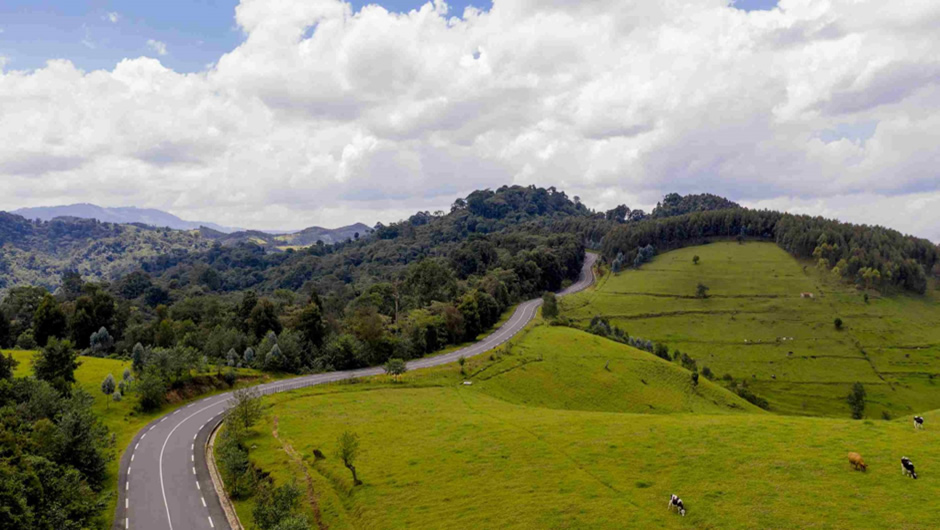
Getting there feels like half the adventure! Your journey begins at Kigali International Airport, where the excitement for upcoming things to do in Gishwati-Mukura National Park starts building immediately. The 170-kilometer drive from Kigali to the Gishwati sector takes approximately four hours along well-maintained roads, but don't let that fool you – the final kilometer requires serious 4x4 capability. I've watched rental cars struggle on that last stretch, so choose your vehicle wisely when planning things to do in Gishwati-Mukura National Park.
From other popular Rwandan destinations, access becomes even more convenient for exploring things to do in Gishwati-Mukura National Park. Gisenyi lies just 35 kilometers away (about one hour's drive), while Ruhengeri sits 70 kilometers distant (roughly two hours). The national speed limit of 60 kilometers per hour applies throughout Rwanda, so factor this into your travel planning. Most visitors opt for guided 4x4 tours that combine multiple destinations, making the journey part of the overall experience.
The lack of domestic flights to the area means road transport remains your only option. Professional driver-guides familiar with local conditions make the journey safer and more informative. They know exactly where to stop for the best mountain views and can share insights about the regions you'll pass through. Book transport in advance – reliable 4x4 vehicles get reserved quickly during peak seasons.
Gishwati-Mukura National Park and Surrounds
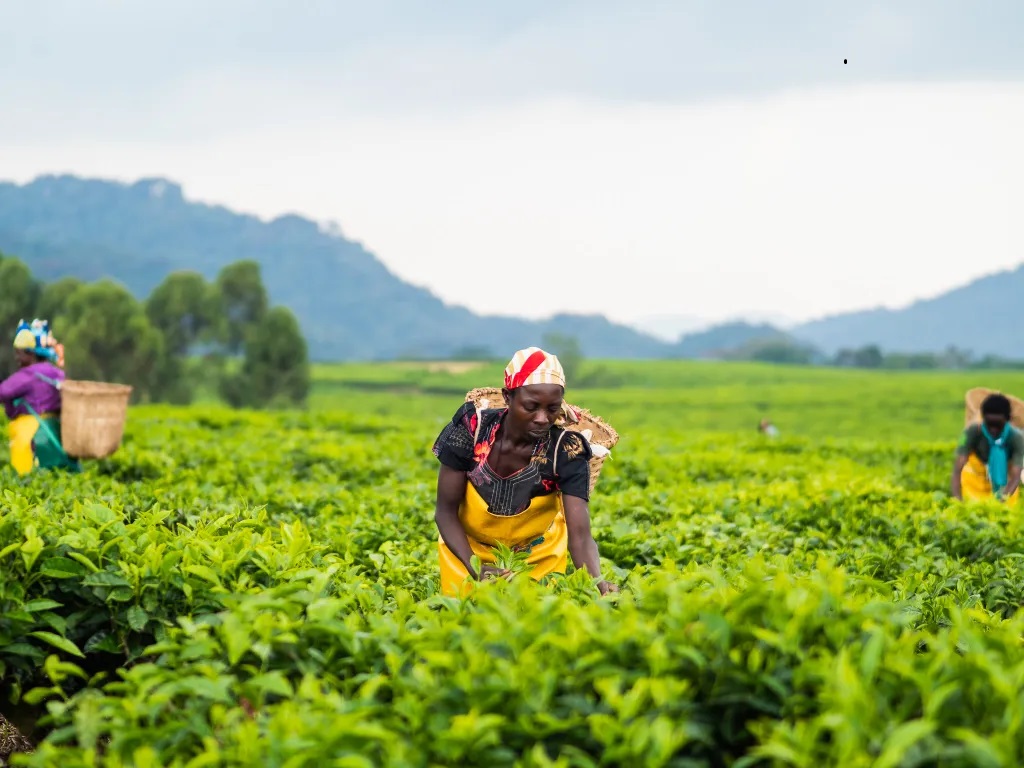
This park breaks the traditional mold of African national parks! Established as Rwanda's fourth national park, it consists of two separate forest sectors that offer distinctly different experiences among the things to do in Gishwati-Mukura National Park. The Gishwati sector serves as the primary destination for most activities, while Mukura remains largely undeveloped but holds incredible potential for serious birders. The contrast between these areas means you can tailor your visit based on specific interests and available time for things to do in Gishwati-Mukura National Park.
The surrounding landscape tells a story of conservation success that makes things to do in Gishwati-Mukura National Park even more meaningful. Local communities actively participate in forest restoration and protection efforts, creating a genuine sense of shared stewardship. You'll notice terraced hillsides giving way to dense forest as you approach the park boundaries. The elevation changes create diverse microhabitats that support different species assemblages throughout your exploration of things to do in Gishwati-Mukura National Park.
What strikes most visitors is how quickly the environment transitions from agricultural lands to pristine forest. The park's relatively small size (just 34 square kilometers) means you can experience significant biodiversity within a compact area. This concentration of wildlife makes every forest walk productive, whether you're tracking primates or searching for endemic bird species. The community-based tourism model ensures your visit directly benefits local residents while protecting these crucial forest ecosystems.
Where to Stay in Gishwati-Mukura National Park
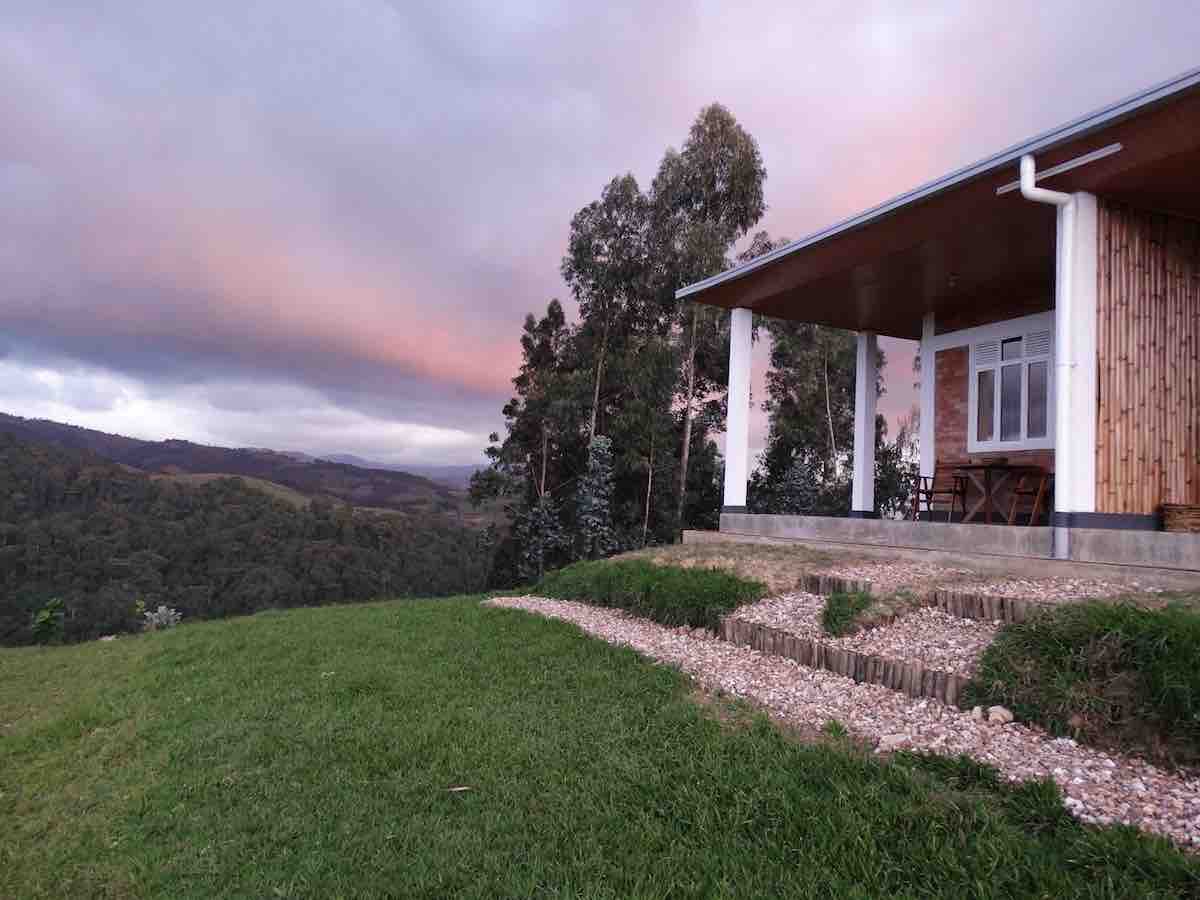
Location and Accessibility of Forest of Hope Guest House.
The Forest of Hope Guest House is well situated just outside the Gishwati forest boundary and the park’s main gate, Rubavu District. It’s about a 2 to 3-hour drive from Kigali City, via the Kigali-Rubavu Road. Public transport options are also available for guests and travelers, even though they are quite scarce; think of minibuses from Kigali’s Nyabugogo terminal to Rubavu, but they will drop you at Gisenyi. The guest house’s proximity to the park is less than 2 kilometers, and ensures quick access to the trailheads and rangers’ posts, which makes it a convenient hub for all.
The spot is operated and run by the Forest of Hope Association. FHA is a local NGO aimed at conservation and community development. The guest house also offers modest yet well-functioning lodging. There are about eight rooms at the Hotel that can accommodate up to 16 guests, and these don’t come alone but along with a twin bed or a double bed. Each room includes modern furnishings, with a bed under mosquito netting, a small table, and a chair with en suite bathrooms providing hot and cold water showers. Electricity at the spot is solar-powered, reflecting the park’s Eco-friendly vibe. Bedding and towels are provided, and rooms are cleaned neatly daily to give visitors the most unforgettable experience at the hotel.
The guest house also includes a communal lounge, the communal lounge comes with wooden benches, and a standard library of conservation books, good for a relaxation moment after a long safari day. Meals at the dining are exceedingly mouthwatering, it is unbelievable how they are prepared by local staff using ingredients sourced from nearby farms that kind of from farm right to your plate vibe. Breakfast is also included on your platter, and several bites are saved, including bread, eggs, fruit, and Rwanda’s famous teas or coffee. Lunch and dinner are also available for all travelers and guests, offering simple Rwandan dishes such as beans, plantains, and vegetable stews, with occasional chicken or fish options on a good day. Special dietary requests can be accommodated with earlier notice.
As of today, the Forest of Hope Guest House charges approximately USD 50 per night per person for both bed and breakfast, the payment can be payable in USD or RWF. This payment includes the park entry coordination, but excludes the park fee itself at USD 40 for foreign adults, which is payable to the Rwanda Development Board. Unlike Akagera or Nyungwe forest national park, which boasts several lodges, Gishwati Mukura prioritizes conservation welfare over infrastructure. The spot proceeds to support reforestation and anti-poaching activities, aligning with the park’s restoration goals. Gishwati alone lost 99% of its forest cover by the 1980s before reforming like it is now. Other hotels that are in proximity are the Nearby Gisenyi, which is just 15 kilometers away. Guests can access hotels like Lake Kivu Serena and just other few.
Staying at Forest of Hope Guest House enables travelers and guests to spot the chimpanzees right from their Veranda. Seeing the chimps first from a distance and then closer must be one of the breathtaking experiences. Guests can also engage in golden monkey walks, bird watching excursions and more of the exciting tourism activities in and around the park.
Where to Eat and Drink in Gishwati-Mukura National Park
Food options reflect the remote location and community focus! The community guesthouse provides meals featuring fresh local ingredients and traditional Rwandan dishes that fuel your adventures among the things to do in Gishwati-Mukura National Park. Don't expect gourmet cuisine – instead, appreciate simple, hearty meals prepared by local cooks who understand exactly what forest trekkers need for sustained energy. The communal dining experience creates opportunities to share stories with fellow travelers and learn from your guides about upcoming things to do in Gishwati-Mukura National Park.
Local markets in nearby towns offer fresh produce, snacks, and beverages perfect for packing forest lunches during your exploration of things to do in Gishwati-Mukura National Park. Stock up on bananas, local nuts, and bottled water before heading to the park, as purchasing options within the forest remain extremely limited. The guesthouse can prepare packed lunches for full-day activities, but notify them in advance to ensure adequate preparation time.
Evening meals become social events where guides share forest lore and other guests discuss the day's wildlife encounters. The relaxed atmosphere helps process the incredible experiences that make things to do in Gishwati-Mukura National Park so memorable. Local banana beer and other traditional beverages provide authentic cultural experiences, though international alcoholic options remain scarce. Bring any specific dietary supplements or special food items you require, as the remote location makes last-minute shopping impossible.
Weather and Climate of Gishwati-Mukura National Park
Pack for every possible condition! The wet and cool climate creates perfect conditions for forest ecosystems but requires careful preparation for things to do in Gishwati-Mukura National Park. Temperatures remain remarkably consistent throughout the year due to the equatorial location – expect daytime highs around 19°C (66°F) and nighttime lows near 11°C (52°F). This means layering becomes essential for comfort during various things to do in Gishwati-Mukura National Park, as conditions can shift rapidly between sunny clearings and shaded forest sections.
The elevation and dense forest canopy create microclimates that can surprise unprepared visitors exploring things to do in Gishwati-Mukura National Park. Morning mist often shrouds the upper elevations before burning off to reveal spectacular mountain views. Afternoon thunderstorms develop quickly during wet seasons, making waterproof gear absolutely essential for enjoying things to do in Gishwati-Mukura National Park safely and comfortably. Quality hiking boots with good grip prevent slips on muddy trails that can turn dangerous quickly.
Humidity levels remain high year-round due to the forest environment and frequent precipitation. This creates lush conditions perfect for wildlife but means synthetic fabrics dry faster than cotton after unexpected rain showers. Pack multiple layers, including a warm fleece or light jacket for early morning starts and evening temperatures. Waterproof backpack covers protect cameras and electronics during sudden downpours that can interrupt things to do in Gishwati-Mukura National Park activities.
Health and Safety When in Gishwati-Mukura National Park
Safety standards exceed expectations for such a remote location! Gishwati-Mukura National Park maintains excellent safety protocols that allow you to focus completely on enjoying the amazing things to do in Gishwati-Mukura National Park without constant worry about security issues. Experienced park rangers accompany all guided activities, providing both wildlife expertise and emergency response capabilities. These professionals undergo regular training and carry communication equipment for any situation that might arise during things to do in Gishwati-Mukura National Park.
Your guide serves as your primary safety contact and possesses intimate knowledge of forest conditions, weather patterns, and wildlife behaviors that keep groups safe during things to do in Gishwati-Mukura National Park. They monitor group fitness levels and adjust activities accordingly, ensuring everyone enjoys appropriate challenges without exceeding personal limits. Emergency evacuation procedures exist, though the remote location means prevention remains far better than treatment for any serious incidents.
Standard travel health precautions apply when planning things to do in Gishwati-Mukura National Park. Consult travel medicine specialists about recommended vaccinations and malaria prophylaxis, though the higher elevation reduces mosquito populations significantly compared to lowland areas. Carry a basic first aid kit with blister treatment, pain relievers, and any personal medications you require. The community guesthouse maintains basic medical supplies, but serious conditions require evacuation to larger towns with proper medical facilities.
Government travel advisories provide current security information for Rwanda, though conditions remain stable throughout the country. Register with your embassy if required and maintain copies of important documents in multiple locations. Travel insurance covering adventure activities and medical evacuation provides peace of mind when booking things to do in Gishwati-Mukura National Park.
Booking a Rwanda Safari to Gishwati-Mukura National Park with Gorilla Pathfinders
Ready to make this dream a reality? Gorilla Pathfinders specializes in creating unforgettable experiences focused on the incredible things to do in Gishwati-Mukura National Park while handling all the complex logistics that make independent travel challenging. Their expert team understands exactly how to combine park activities with other Rwanda destinations, creating seamless itineraries that maximize your time and minimize stress. When you book through Gorilla Pathfinders, you gain access to experienced guides who know the best locations and timing for wildlife encounters among the various things to do in Gishwati-Mukura National Park.
The company's relationships with local communities and park authorities ensure you receive authentic experiences while supporting conservation efforts directly through your visit focused on things to do in Gishwati-Mukura National Park. Their guides undergo continuous training and possess permits for all activities, eliminating the bureaucratic headaches that can plague independent travelers. Gorilla Pathfinders handles accommodation bookings, transportation arrangements, and activity permits, allowing you to focus on preparing for the incredible things to do in Gishwati-Mukura National Park rather than managing complex logistics.
Their commitment to sustainable tourism means your visit contributes meaningfully to forest protection and community development while you enjoy world-class things to do in Gishwati-Mukura National Park. Small group sizes ensure personalized attention and minimal environmental impact. The company provides detailed packing lists, health advice, and pre-trip briefings that prepare you thoroughly for forest conditions and wildlife encounters. Emergency support remains available throughout your journey, providing peace of mind as you explore remote forest areas.
TLDR: Your Gishwati-Mukura Adventure Awaits
Rwanda's hidden forest gem offers authentic primate encounters, exceptional birding, and community-based tourism that makes every visit meaningful. The best things to do in Gishwati-Mukura National Park include guided chimp tracking, golden monkey encounters, and forest walks through pristine Albertine Rift ecosystems. Visit during the dry season (June-September) for optimal conditions, stay at the community guesthouse for authentic experiences, and book through reputable operators like Gorilla Pathfinders for seamless logistics.
The exclusive nature of activities and limited accommodation ensures intimate wildlife encounters while supporting crucial conservation efforts. Pack for variable mountain weather, prepare for basic facilities, and expect life-changing moments with our closest relatives in their natural habitat. With only 20% of Rwanda visitors making it here, you'll join an exclusive group of travelers who've discovered one of Africa's most authentic forest experiences.
Your adventure among the incredible things to do in Gishwati-Mukura National Park awaits – will you answer the call of the wild? Book your journey today and prepare for encounters that will reshape your understanding of what makes travel truly transformative.