Western Lowland Gorilla
Western lowland gorillas represent the most iconic species among what animals in the Odzala Kokoua, with the park protecting nearly 22,000 individuals - almost half the world's remaining population! These magnificent primates live in family groups of 4-20 members led by dominant silverback males who can weigh up to 200 kilograms. I get genuinely excited thinking about the intimate encounters possible here, where visitors can observe gorillas foraging for fruits, leaves, and bark in their natural habitat. The tracking experience requires permits and challenging hikes through dense forest, but the reward of sitting quietly while a silverback feeds just meters away creates memories that last forever. What animals are in the Odzala Kokoua wouldn't be complete without these gentle giants, who demonstrate complex social behaviors and emotional intelligence that mirrors our humanity.
Forest Elephant
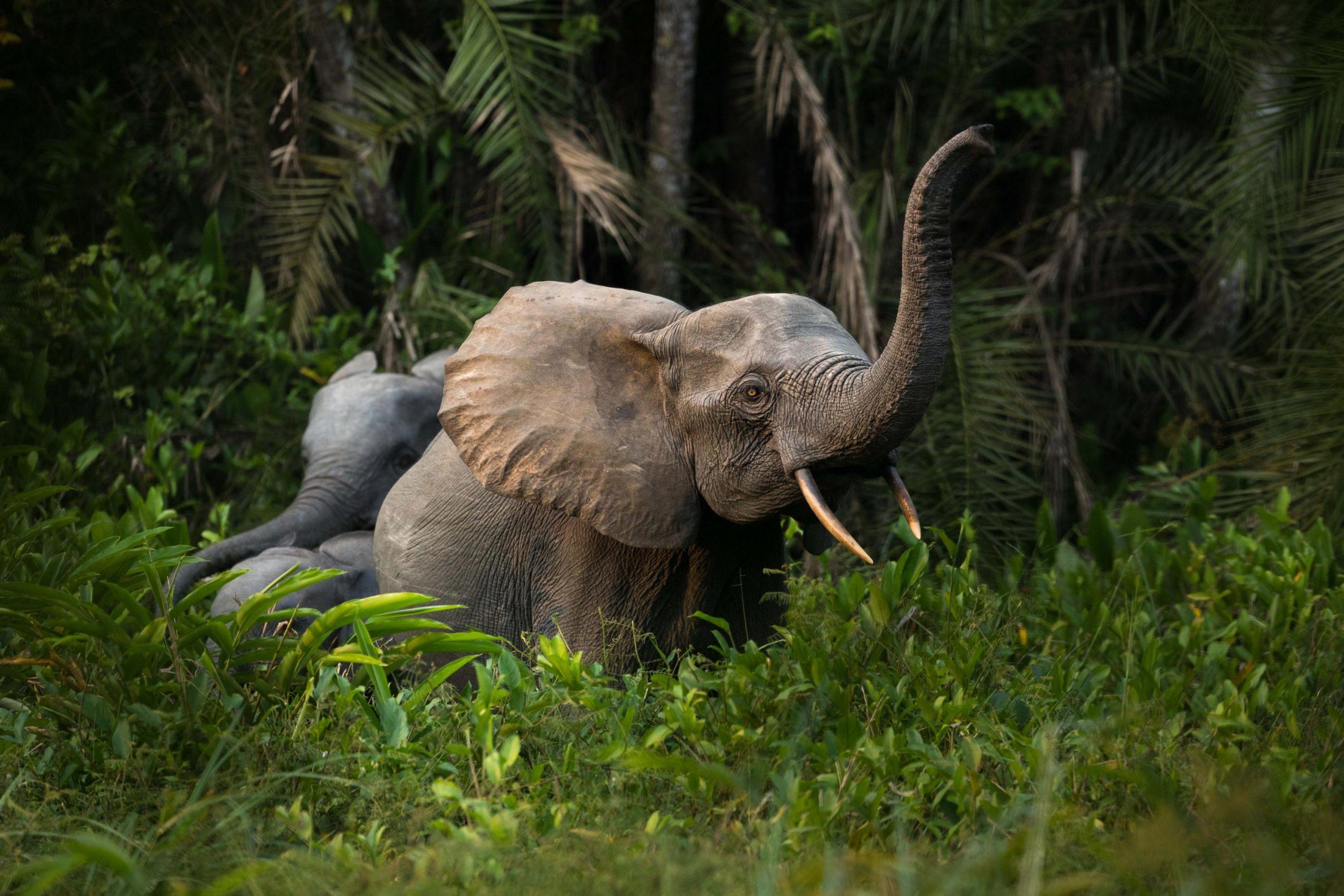
Forest elephants stand as the architects among what animals are in the Odzala Kokoua, creating the network of pathways that other species depend upon for movement through dense vegetation. These smaller cousins of savanna elephants possess straighter tusks and different social structures adapted for forest life, living in smaller family groups that navigate thick canopy with surprising grace. Their intelligence becomes apparent when you witness them using tools, communicating through infrasonic calls, and demonstrating remarkable memory for seasonal fruiting trees across vast territories. The frustrating reality is that forest elephant populations have declined dramatically due to poaching, making every sighting in Odzala precious and significant for conservation efforts. What animals are in the Odzala Kokoua benefit enormously from elephant presence, as these ecosystem engineers disperse seeds across huge distances and create clearings that promote forest diversity.
Chimpanzee
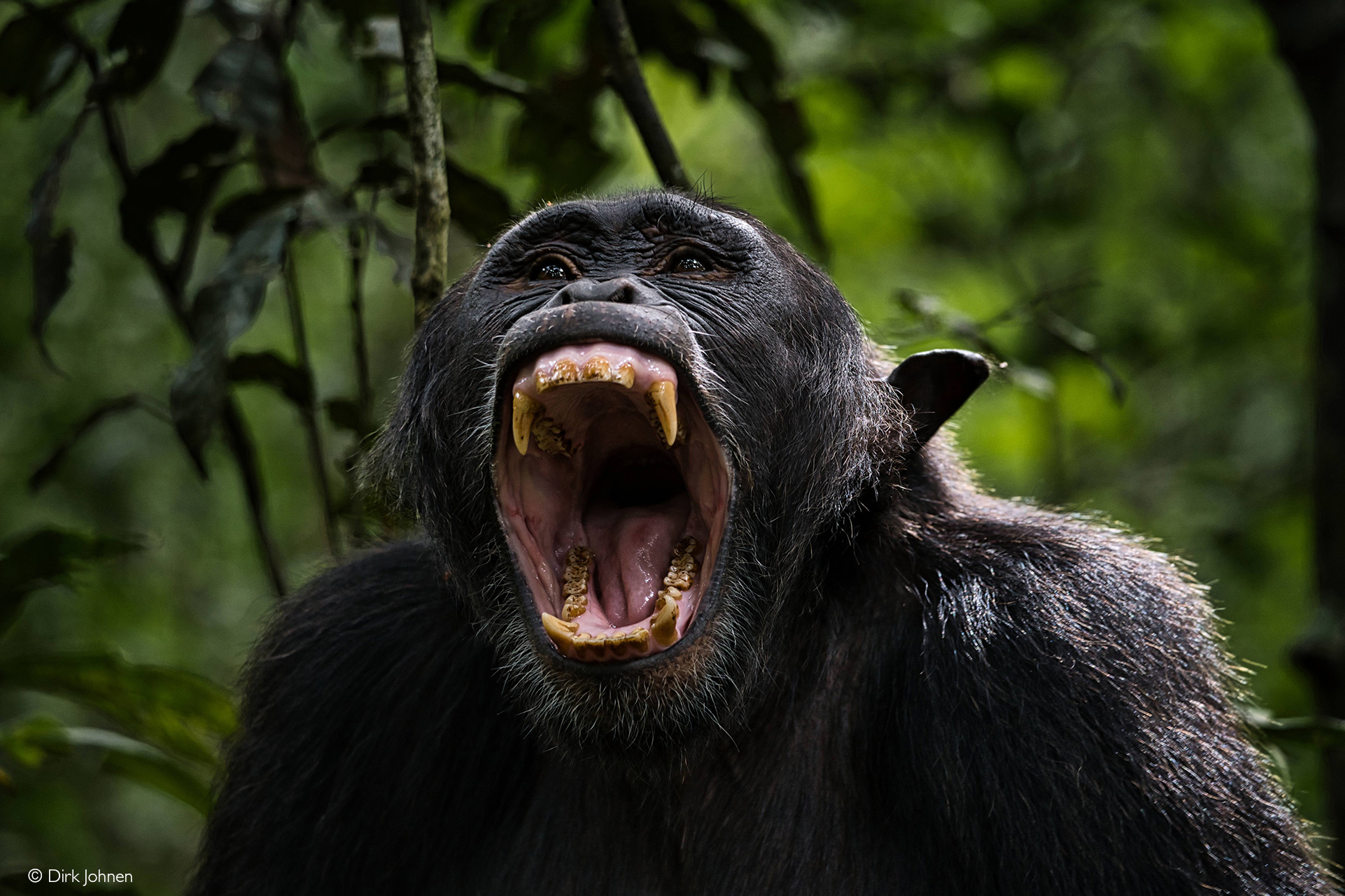
Chimpanzees fascinate researchers and visitors as the most intelligent species among what animals are in the Odzala Kokoua, demonstrating tool use, complex social relationships, and cultural traditions passed between generations. These remarkable apes live in communities of 20-100 individuals with intricate social hierarchies that shift based on alliances, personality conflicts, and seasonal resource availability. Watching chimpanzees interact reveals behaviors eerily similar to human families - from playful youngsters learning survival skills to adults grooming each other to maintain social bonds. The challenge of observing chimps lies in their mobility and intelligence, as they quickly disappear into dense canopy when they detect human presence nearby. What animals are in the Odzala Kokoua showcase evolutionary connections most clearly through chimpanzees, whose genetic similarity to humans reaches 98.8 percent and whose behaviors continue to reshape our understanding of intelligence and emotion.
Forest Buffalo
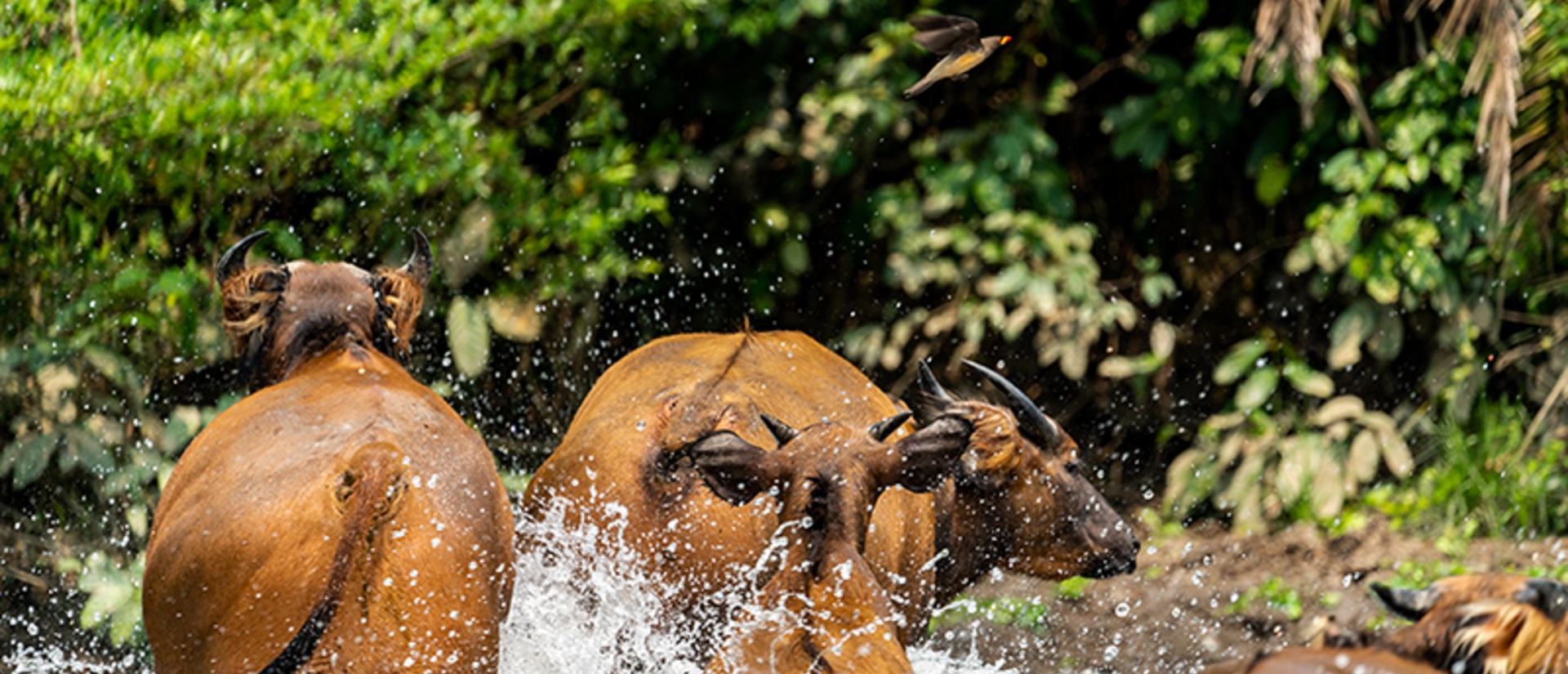
Forest buffalo represent the most dangerous ungulates among what animals are in the Odzala Kokoua, with their unpredictable temperament and massive horns demanding serious respect from guides and visitors alike. These powerful animals differ significantly from their savanna cousins through smaller herd sizes, reddish-brown coloration, and aggressive territorial behaviors adapted for dense forest environments. Bulls can weigh up to 900 kilograms and show little fear of humans, making encounters potentially deadly without experienced guides who understand buffalo behavior and escape routes. The excitement of tracking forest buffalo comes with genuine risk, as these animals possess excellent hearing and will charge perceived threats with lightning speed through thick vegetation. What animals are in the Odzala Kokoua include few species more formidable than forest buffalo, whose presence indicates healthy ecosystems while providing thrilling but dangerous wildlife encounters for brave visitors.
Bongo
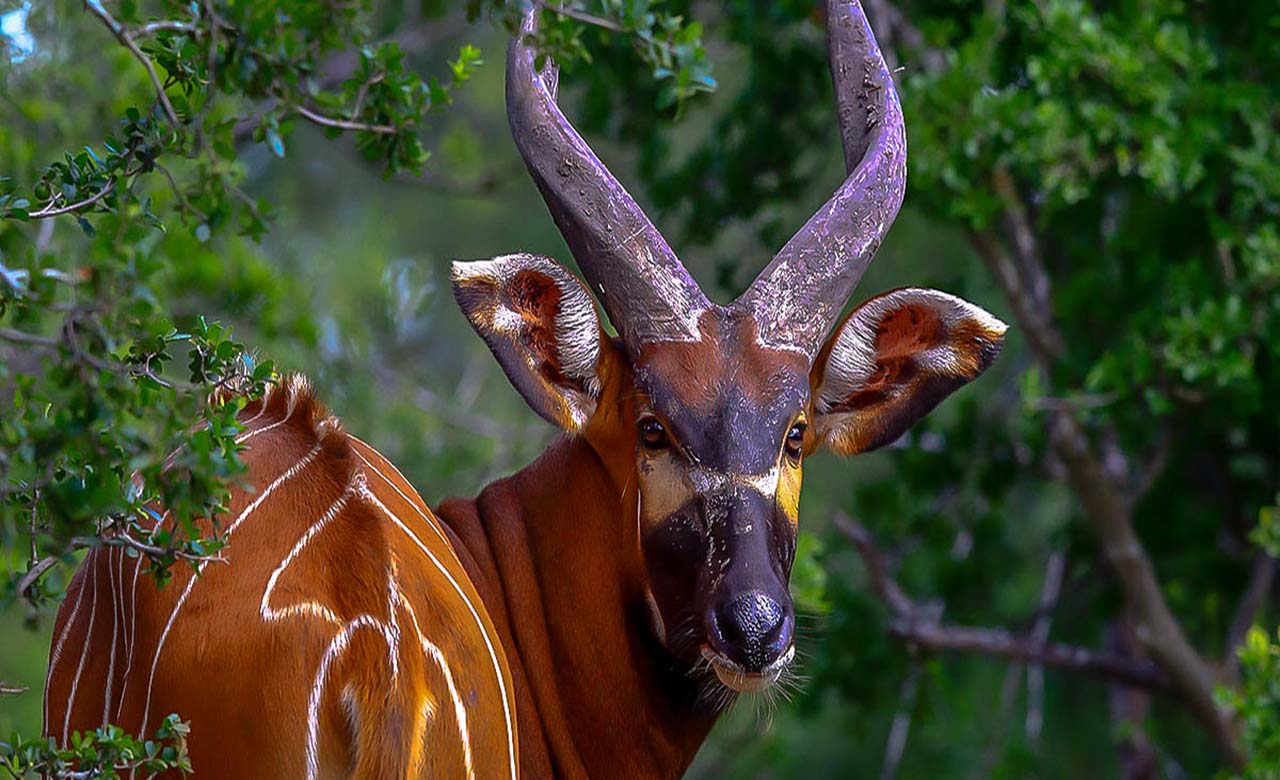
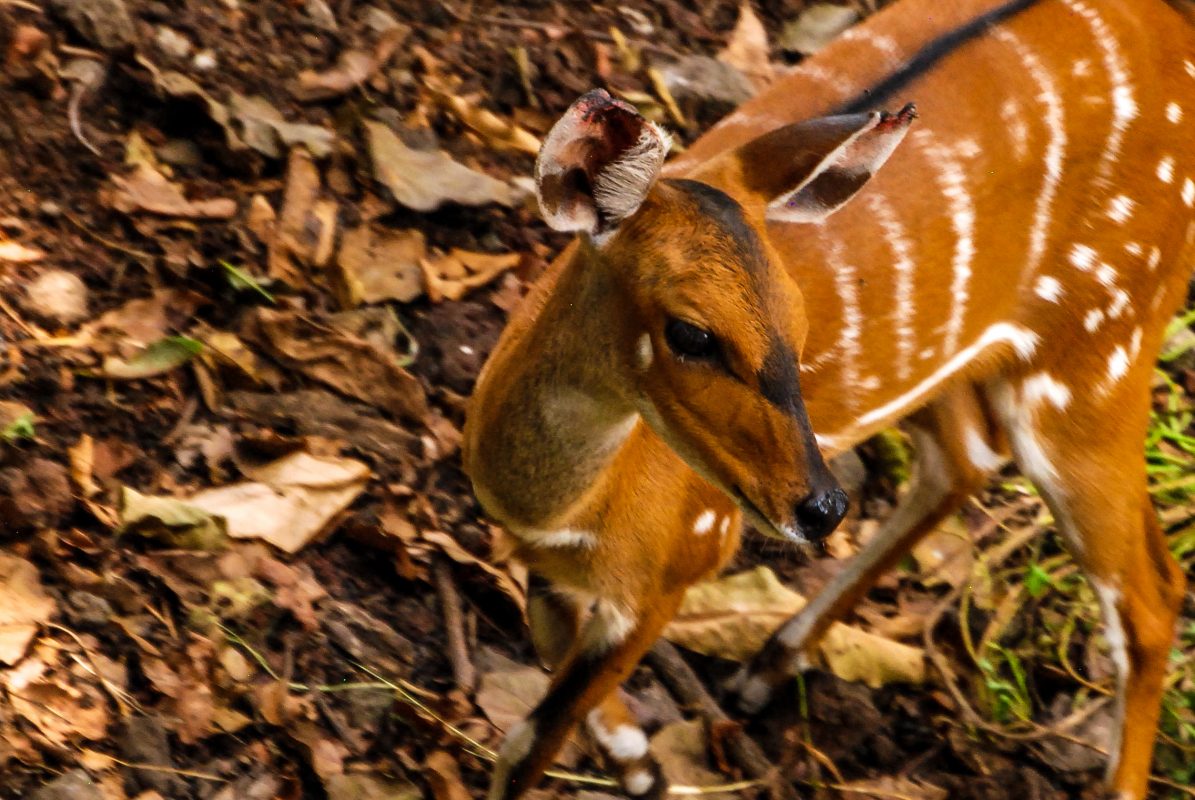
Bongo antelopes rank among the most beautiful and elusive species when considering what animals are in the Odzala Kokoua, with their striking reddish coats marked by white stripes creating perfect camouflage in dappled forest light. These large antelopes can weigh up to 405 kilograms and possess spiral horns that both males and females use for defense against predators like leopards and forest buffalo. The frustration of bongo watching comes from their incredibly secretive nature and preference for the densest undergrowth where visibility drops to mere meters. Early morning and late afternoon offer the best opportunities to spot these magnificent animals as they venture into small clearings to feed on leaves, bark, and fruits. What animals are in the Odzala Kokoua wouldn't showcase forest adaptation as perfectly as bongos, whose large ears detect danger from great distances while their muscular build allows rapid escape through thick vegetation that would stop other large mammals.
Giant Forest Hog
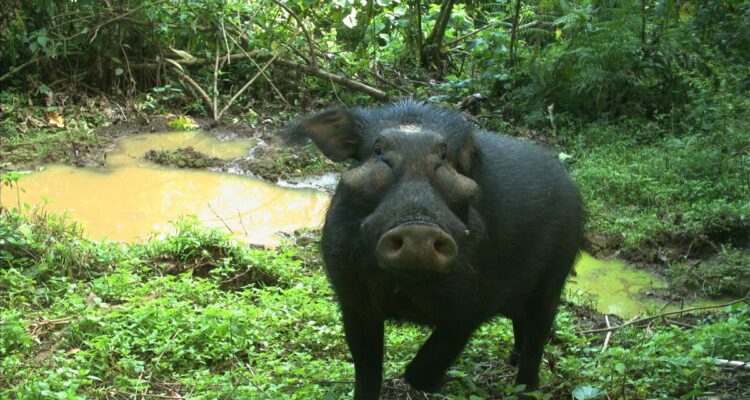
Giant forest hogs surprise many visitors as the largest wild pigs among what animals are in the Odzala Kokoua, with massive males reaching 275 kilograms and sporting impressive tusks used for fighting and foraging. These powerful animals live in small family groups led by dominant boars who aggressively defend territories against rivals and potential threats including humans who venture too close. Their omnivorous diet includes roots, fruits, insects, and occasionally small mammals, making them important ecosystem components that control various prey populations while dispersing seeds. The excitement of encountering giant forest hogs comes mixed with caution, as these animals possess unpredictable temperaments and will charge when surprised or cornered in dense vegetation. What animals are in the Odzala Kokoua benefit from giant forest hog presence through their rooting behaviors that create soil disturbances essential for plant diversity and forest regeneration processes.
Leopard
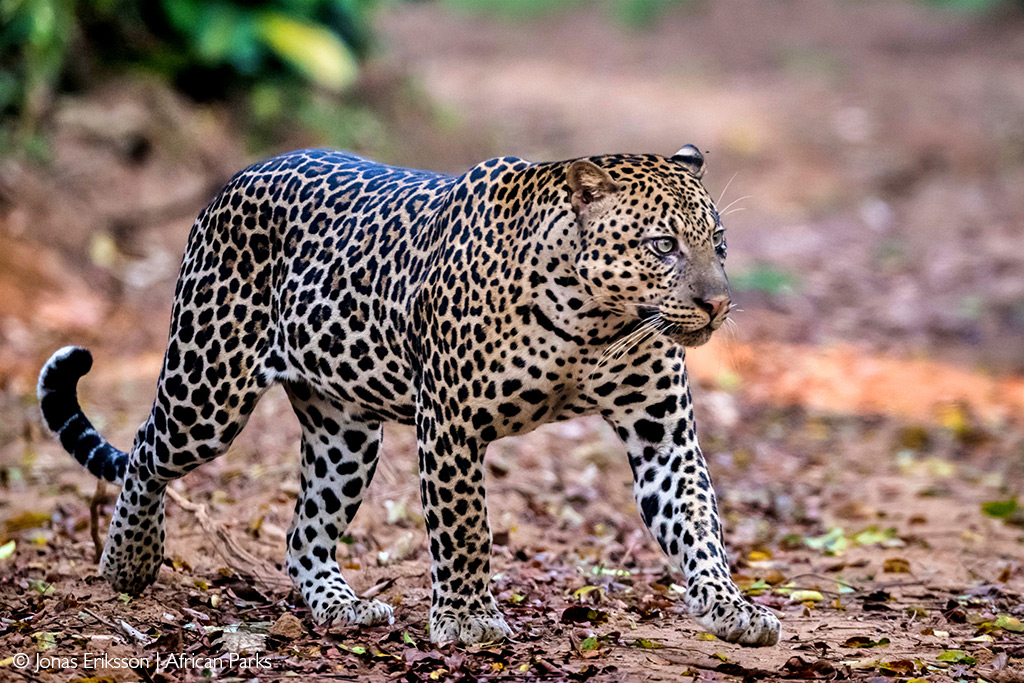
Leopards reign as the ultimate predators among what animals are in the Odzala Kokoua, though their secretive nature makes sightings extremely rare and treasured by the few lucky visitors who witness these magnificent cats. These adaptable hunters excel in forest environments where dense vegetation provides perfect cover for stalking prey ranging from small antelopes to primates and even young forest buffalo. The frustration of leopard watching lies in their primarily nocturnal habits and incredible stealth abilities that allow them to remain virtually invisible even when nearby. Their distinctive rosette patterns provide excellent camouflage in dappled forest light, while powerful builds enable them to drag prey weighing twice their body weight up into trees for safekeeping. What animals are in the Odzala Kokoua face their most formidable predator in leopards, whose presence indicates healthy ecosystem balance and whose conservation status reflects the overall health of the park's wildlife populations.
Spotted Hyena
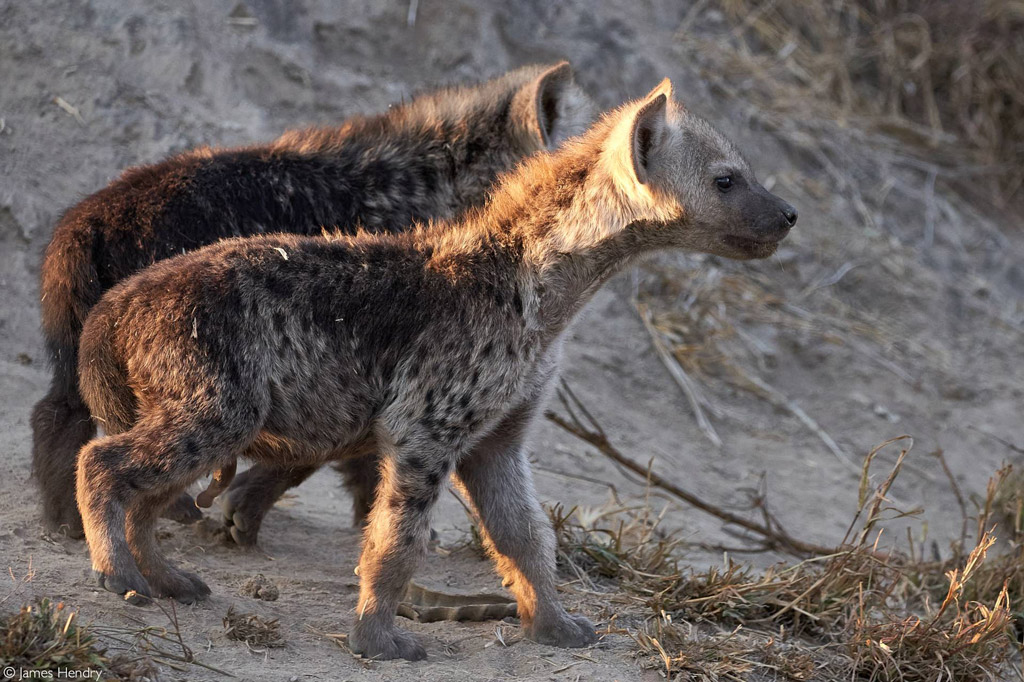
Spotted hyenas add an unexpected element to what animals are in the Odzala Kokoua, representing the only hyena species found in Central African forests where they fill important scavenging and hunting roles. These misunderstood carnivores possess incredibly powerful jaws capable of crushing bones and accessing nutrients that other predators cannot utilize from carcasses. Their complex social structures rival those of primates, with matriarchal clans led by dominant females who determine feeding order and territorial boundaries through intricate social interactions. The distinctive laughing calls of spotted hyenas echo through forest nights, creating an authentic African soundtrack that reminds visitors of the wild nature surrounding their camps. What animals are in the Odzala Kokoua benefit from hyena presence through their cleanup services that prevent disease spread while their hunting activities help control prey populations and maintain ecological balance.
African Golden Cat
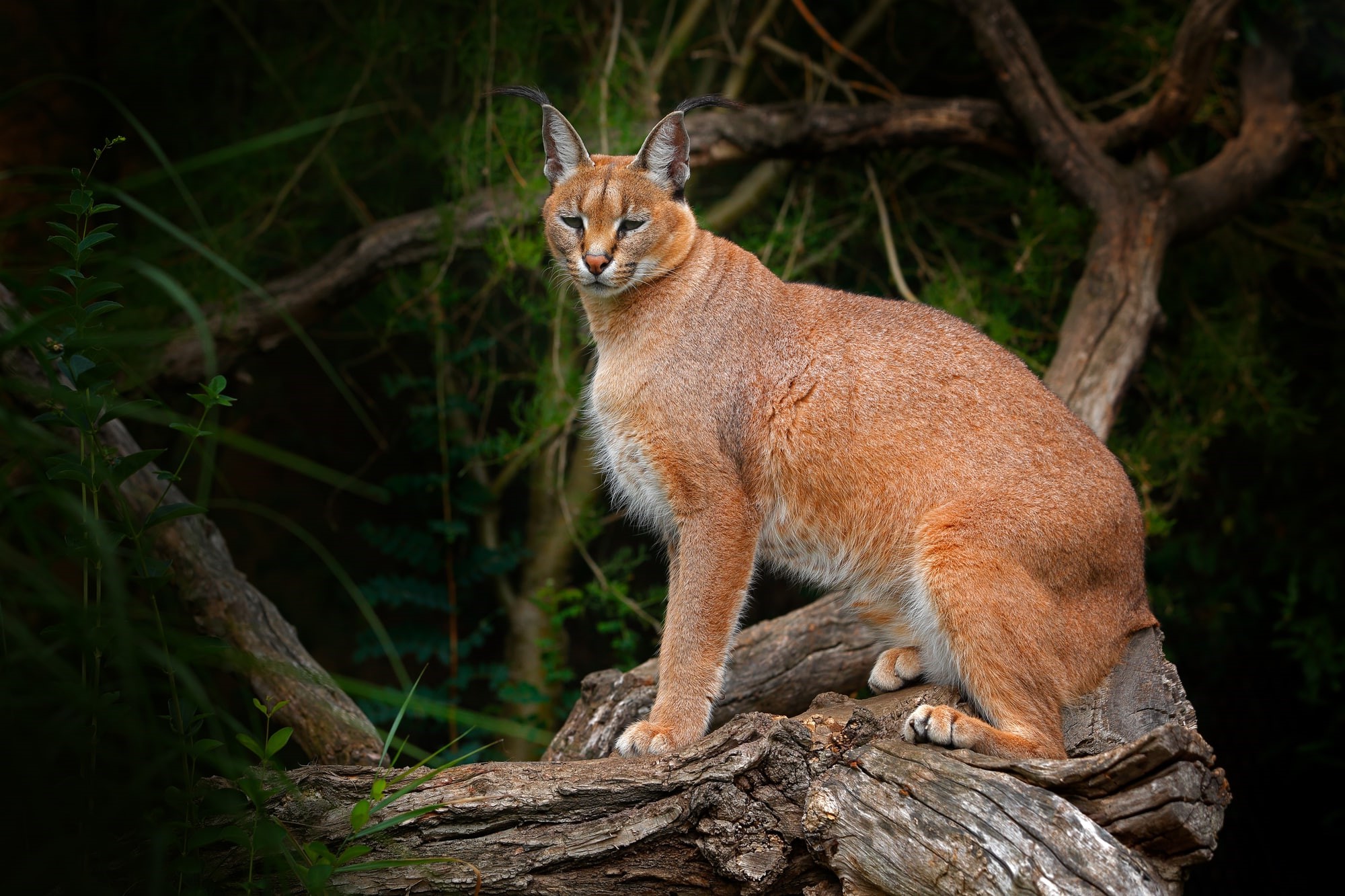
African golden cats represent one of the most mysterious felines among what animals are in the Odzala Kokoua, with their secretive lifestyle making scientific study extremely challenging and sightings incredibly rare. These medium-sized cats prefer dense forest habitats where their reddish-golden coats provide excellent camouflage among fallen leaves and dappled sunlight filtering through the canopy. Their elusive nature frustrates even experienced guides and researchers who spend years in the forest without confirmed sightings of these remarkable predators. Golden cats hunt primarily at dawn and dusk, targeting small mammals, birds, and occasionally primates that venture within striking distance of their patient ambush positions. What animals are in the Odzala Kokoua include few species as poorly understood as African golden cats, whose population status and ecological requirements remain largely unknown despite their importance as forest predators.
Red River Hog
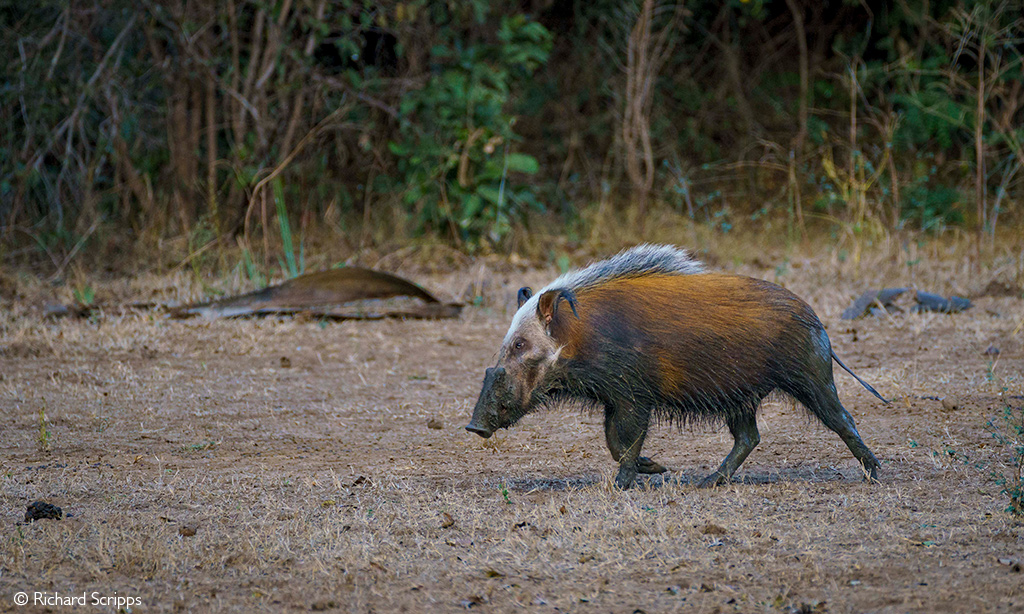
Red river hogs bring vibrant color to what animals are in the Odzala Kokoua, with their bright reddish coats and distinctive facial markings making them among the most photogenic forest mammals. These social pigs live in family groups of 6-20 individuals led by dominant boars who aggressively defend their territories against rivals and predators. Their omnivorous feeding habits include roots, fruits, insects, and small vertebrates, making them important ecosystem components that disperse seeds while creating soil disturbances beneficial for plant diversity. The excitement of red river hog encounters comes from their active daytime behaviors and tendency to remain in open areas longer than other forest mammals. What animals are in the Odzala Kokoua showcase adaptation perfectly through red river hogs, whose swimming abilities allow them to cross rivers and access island habitats unavailable to other terrestrial mammals.
Sitatunga
Sitatunga antelopes thrive in the swampy areas among what animals are in the Odzala Kokoua, with their specially adapted hooves allowing them to walk on floating vegetation and muddy substrates that would trap other animals. These semi-aquatic antelopes possess water-repellent coats and can remain submerged with only their nostrils visible when avoiding predators like leopards or forest buffalo. Males sport impressive spiral horns and display distinctive white markings that contrast beautifully with their chocolate-brown coats during mating season displays. The challenge of sitatunga observation lies in their preference for dense papyrus swamps and their ability to disappear instantly into thick aquatic vegetation when danger approaches. What animals are in the Odzala Kokoua demonstrate habitat specialization perfectly through sitatunga, whose unique adaptations allow them to exploit resources unavailable to other antelope species in the park.
Black and White Colobus
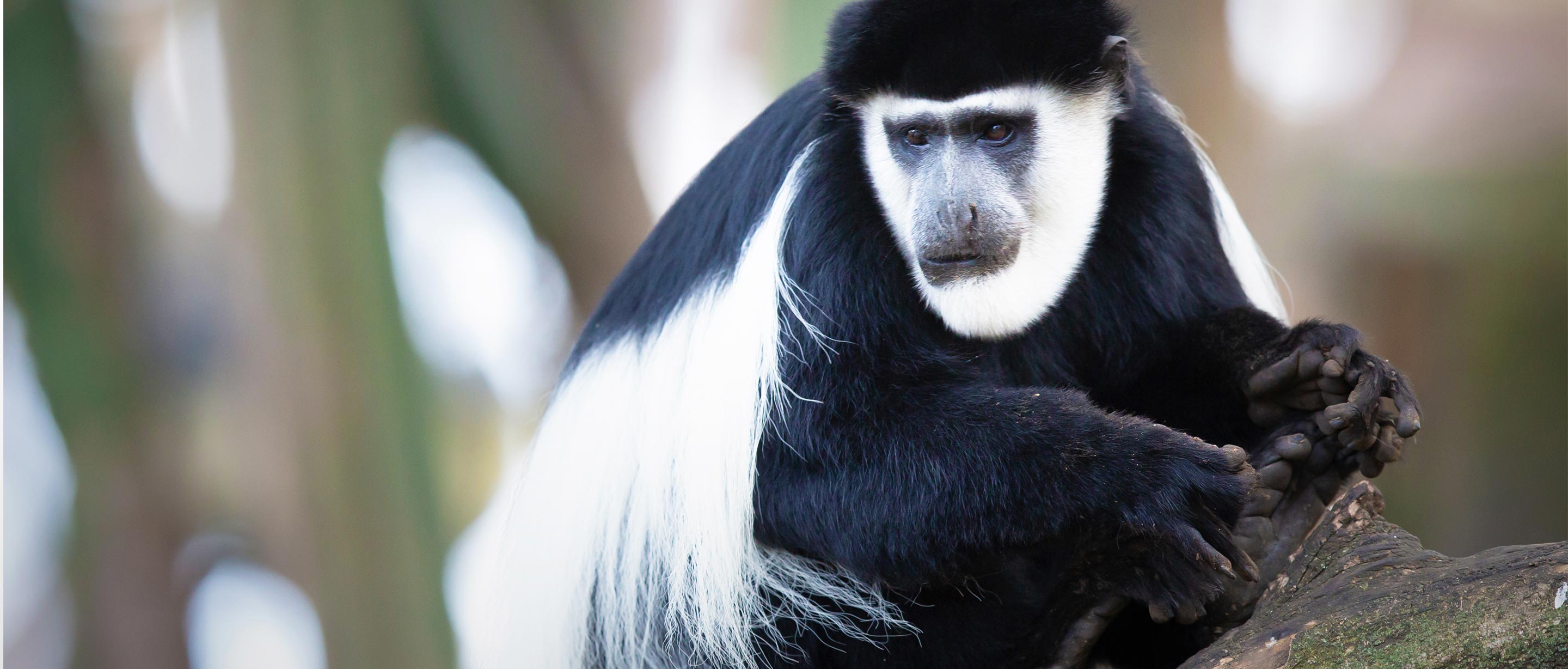
Black and white colobus monkeys create spectacular visual displays among what animals are in the Odzala Kokoua, with their distinctive fur patterns and acrobatic abilities making them favorite subjects for wildlife photographers. These leaf-eating specialists possess specialized four-chambered stomachs that allow them to digest tough plant materials and extract nutrients from mature leaves that other primates cannot process. Their loud morning calls echo through the forest canopy like natural alarm clocks, announcing territorial boundaries while coordinating group movements through the trees. The excitement of colobus watching comes from their incredible leaping abilities, as they can jump distances of up to 15 meters between trees using their long tails as balancing aids. What animals are in the Odzala Kokoua showcase primate diversity beautifully through black and white colobus, whose social groups of 8-15 individuals demonstrate complex communication systems and cooperative breeding behaviors.
De Brazza's Monkey
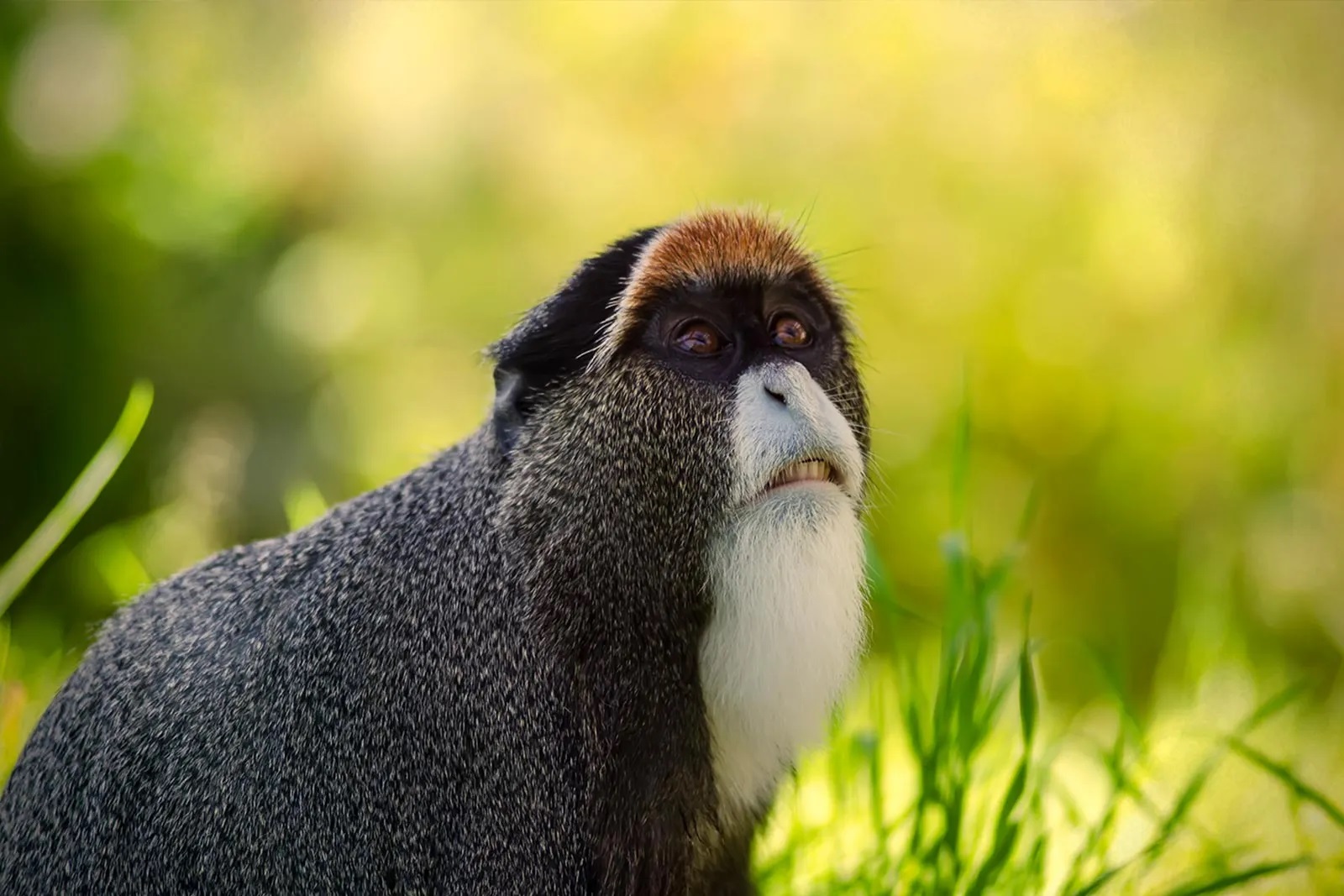
De Brazza's monkeys stand out among what animals are in the Odzala Kokoua with their distinctive white beards and orange crowns that make identification easy even for novice wildlife watchers. These medium-sized primates prefer dense forest undergrowth where their cryptic coloration provides excellent camouflage against predators like leopards and crowned eagles. Their secretive nature and preference for remaining motionless when threatened often results in close encounters that surprise both monkeys and humans sharing forest paths. The frustration of De Brazza's monkey watching comes from their silent communication methods and tendency to freeze rather than flee, making them easy to overlook despite their relatively large size. What animals are in the Odzala Kokoua include few species as photogenic as De Brazza's monkeys, whose expressive faces and distinctive markings create memorable portraits for patient wildlife photographers willing to wait for perfect shots.
Agile Mangabey
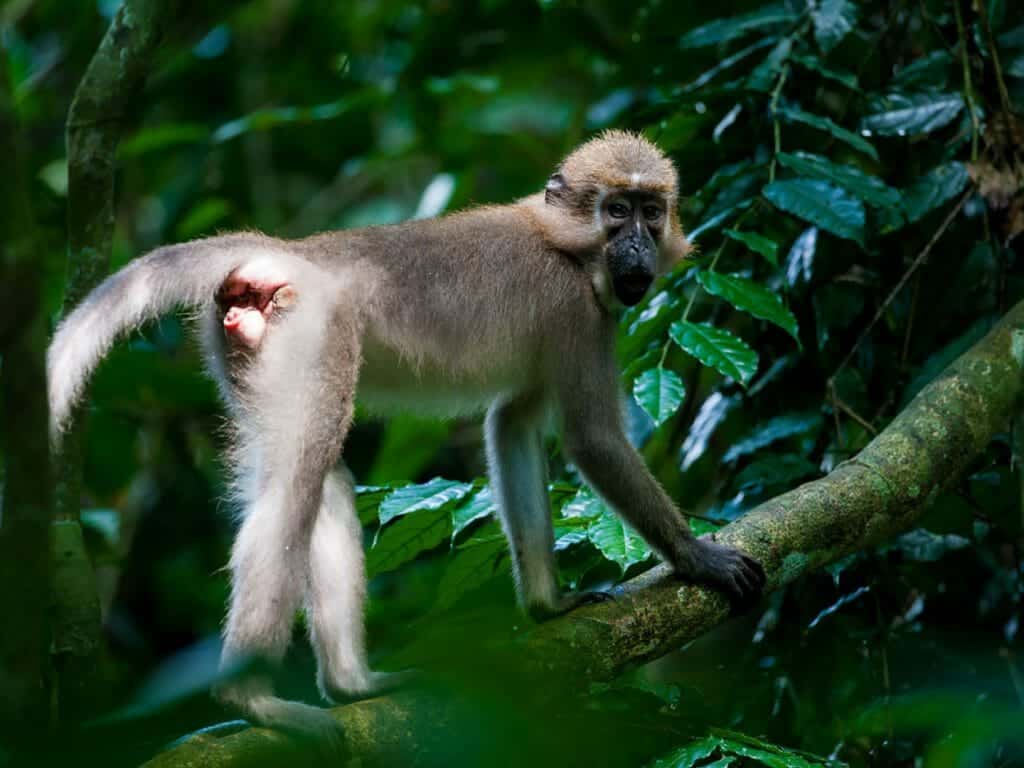
Agile mangabeys demonstrate remarkable athleticism among what animals are in the Odzala Kokoua, with their powerful limbs and long tails enabling spectacular leaps between trees that can span distances of over 10 meters. These medium-sized primates live in large multi-male, multi-female groups that can include 30-50 individuals with complex social hierarchies based on age, size, and alliance networks. Their omnivorous diet includes fruits, seeds, insects, and occasionally small vertebrates, making them important seed dispersers that help maintain forest biodiversity across their territories. The excitement of mangabey watching comes from their acrobatic displays and loud vocalizations that carry for kilometers through dense forest canopy. What animals are in the Odzala Kokoua showcase primate intelligence through agile mangabeys, whose problem-solving abilities and tool use demonstrate cognitive capabilities that continue to surprise researchers studying their behavior in natural settings.
Crowned Monkey
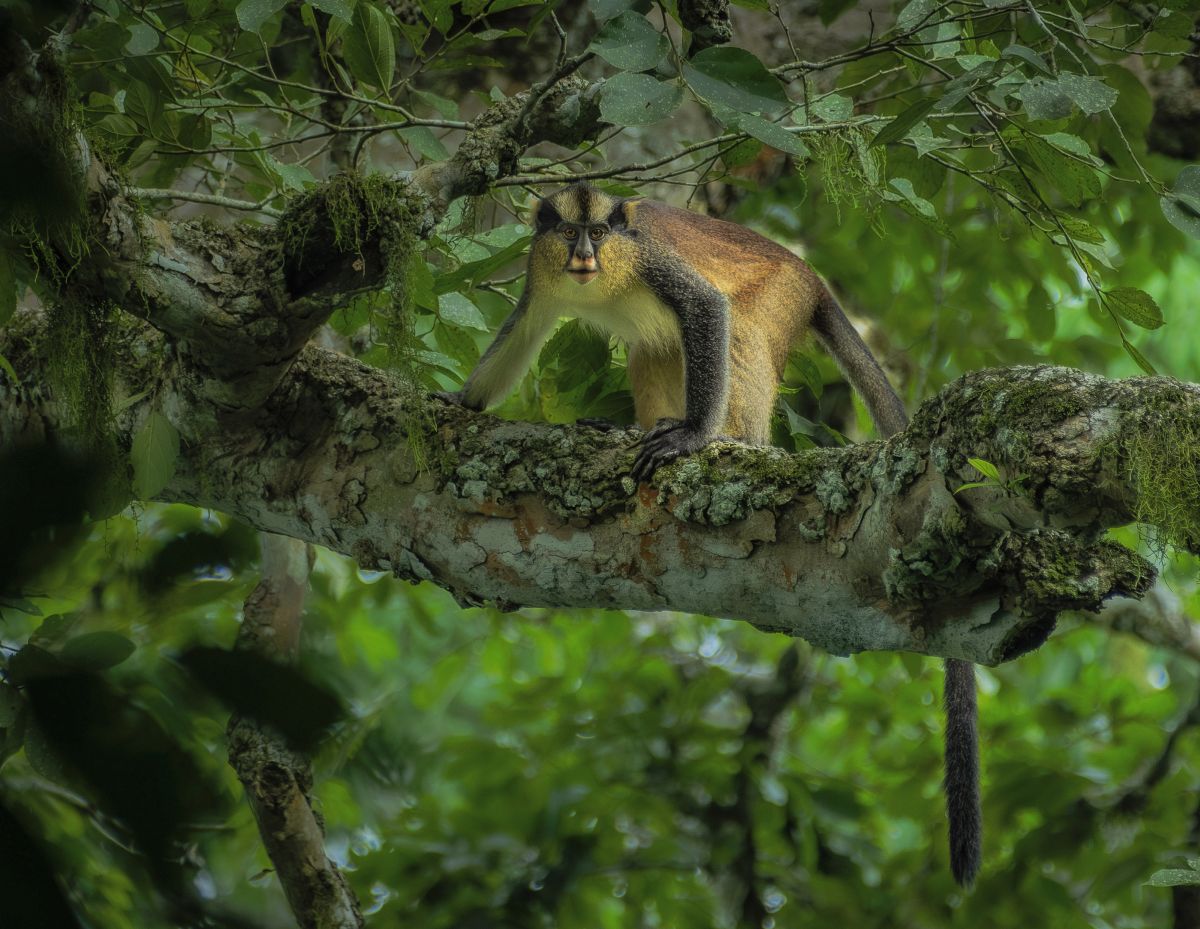
Crowned monkeys add regal elegance to what animals are in the Odzala Kokoua, with distinctive crown-like crests of long hair that give these primates their common name and make them easily recognizable. These arboreal specialists prefer the middle and upper canopy layers where they feed primarily on fruits, leaves, and insects while maintaining territories through complex vocal communications. Their social groups typically include 10-30 individuals organized around related females, with males dispersing to join other groups upon reaching maturity. The challenge of crowned monkey observation lies in their preference for dense canopy cover and their tendency to remain motionless when detecting potential threats below. What animals are in the Odzala Kokoua include few species as photogenic as crowned monkeys, whose expressive faces and distinctive crests create memorable wildlife photography opportunities for patient observers willing to crane their necks skyward.
Moustached Monkey
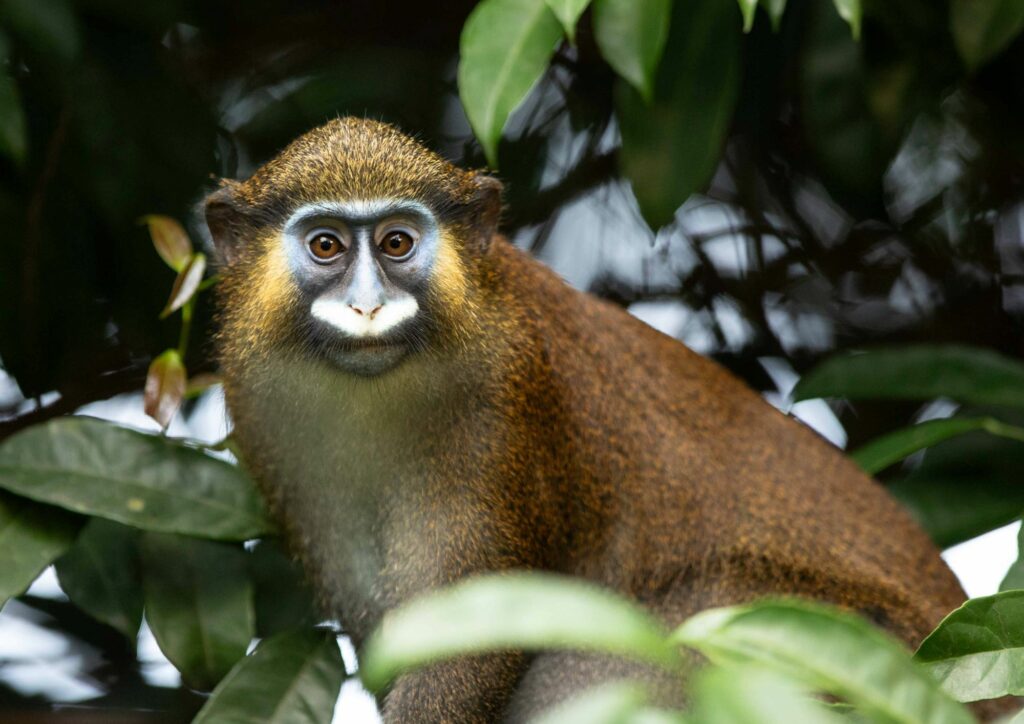
Moustached monkeys bring distinctive facial features to what animals are in the Odzala Kokoua, with white mustache-like markings that contrast sharply with their dark faces and make identification straightforward even for novice primate watchers. These active primates prefer riverine forests and gallery woodlands where they feed on fruits, seeds, and young leaves while maintaining territories through scent marking and vocal displays. Their social groups typically include 12-25 individuals with strong female bonds that persist throughout their lives, while males establish dominance hierarchies through displays and occasional physical confrontations. The excitement of moustached monkey encounters comes from their curious nature and tendency to approach human observers more closely than other forest primates. What animals are in the Odzala Kokoua demonstrate habitat specialization through moustached monkeys, whose preference for forest edges and secondary growth areas makes them more easily observable than strictly canopy-dwelling species.
Putty-Nosed Monkey
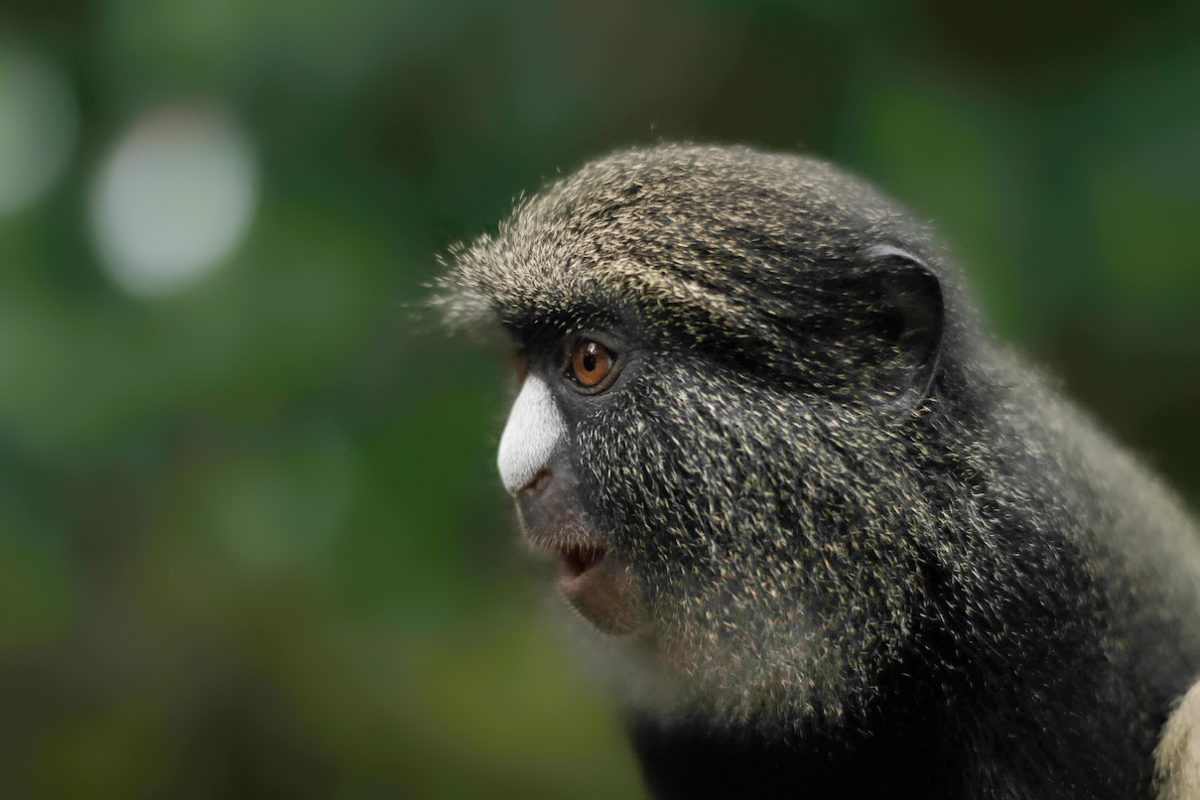
Putty-nosed monkeys exhibit remarkable vocal complexity among what animals are in the Odzala Kokoua, with sophisticated call combinations that function as primitive language systems for communicating about different types of threats and opportunities. These medium-sized primates possess distinctive white nose patches that inspired their common name, while their overall grayish coloration provides excellent camouflage in the dappled light of forest understory. Their social groups typically include 15-40 individuals with multiple adult males and females that cooperate in territory defense and predator detection through coordinated alarm calling. The frustration of putty-nosed monkey watching often comes from their excellent camouflage and tendency to remain perfectly still when suspicious of human presence nearby. What animals are in the Odzala Kokoua showcase communication evolution through putty-nosed monkeys, whose call combinations demonstrate cognitive abilities that bridge the gap between simple animal signals and true language systems.
Large Mammals and Forest Giants
Forest elephants lead the impressive collection of large mammals that define what animals are in the Odzala Kokoua, creating dramatic wildlife encounters that leave visitors breathless with excitement and respect. These smaller cousins of savanna elephants navigate dense forest terrain with surprising grace, using established elephant highways that connect feeding areas, water sources, and mineral licks essential for their survival. Their presence shapes entire forest ecosystems through seed dispersal, creating clearings, and maintaining the complex network of trails that other animals depend upon for movement and feeding opportunities.
Forest buffalo represent another member of the big game species that make what animals are in the Odzala Kokoua so attractive to serious wildlife enthusiasts seeking authentic African experiences. These powerful animals live in smaller herds than their savanna relatives, adapting to forest life through different social structures and feeding behaviors that allow them to thrive in dense vegetation. Bulls can be particularly dangerous when encountered unexpectedly, requiring experienced guides and careful observation techniques to ensure safe wildlife viewing experiences.
Bongo antelopes rank among the most elusive and beautiful animals that define what animals are in the Odzala Kokoua, with their striking reddish coats marked by white stripes creating perfect camouflage in dappled forest light. These large antelopes prefer dense undergrowth where their secretive nature makes sightings extremely rare and valuable for wildlife photographers. Giant forest hogs complete the large mammal lineup, representing Africa's largest wild pig species with impressive tusks and aggressive territorial behaviors that demand respect from both humans and other forest inhabitants.
Sitatunga antelopes and various duiker species add diversity to what animals are in the Odzala Kokoua, each filling specific ecological niches from swampy areas to dense forest understory where they browse on leaves, fruits, and fallen seeds.
Predators and Carnivores
Leopards reign as the apex predators among what animals are in the Odzala Kokoua, though their secretive nature makes sightings extremely rare and treasured by lucky visitors who witness these magnificent cats in their natural habitat. These adaptable hunters excel in forest environments where dense vegetation provides perfect cover for stalking prey, from small antelopes to primates that venture too far from safety. Their presence indicates healthy ecosystem balance, as leopard populations require abundant prey species and undisturbed territories to maintain stable breeding populations.
Spotted hyenas add an unexpected element to what animals are in the Odzala Kokoua, representing the only hyena species found in Central African forests where they fill important scavenging roles while also hunting smaller prey. These misunderstood carnivores possess incredibly powerful jaws capable of crushing bones, allowing them to access nutrients that other predators cannot utilize. Their distinctive calls echo through the night, creating an authentic African soundtrack that reminds visitors of the wild nature surrounding their forest camps.
African golden cats and servals complete the feline contingent among what animals are in the Odzala Kokoua, though both species remain extremely elusive and rarely observed by park visitors. The golden cat represents one of Africa's least-known wild cats, preferring dense forest habitats where its secretive lifestyle makes scientific study challenging. Smaller carnivores including marsh mongoose, palm civet, and Congo clawless otter round out the predator community, each playing important roles in controlling prey populations and maintaining ecosystem balance throughout the park's diverse habitats.
Red river hogs provide important prey species for larger predators while also serving as ecosystem engineers through their rooting behaviors that create disturbances benefiting plant diversity and forest regeneration processes.
Avian Wonders: Over 440 Bird Species
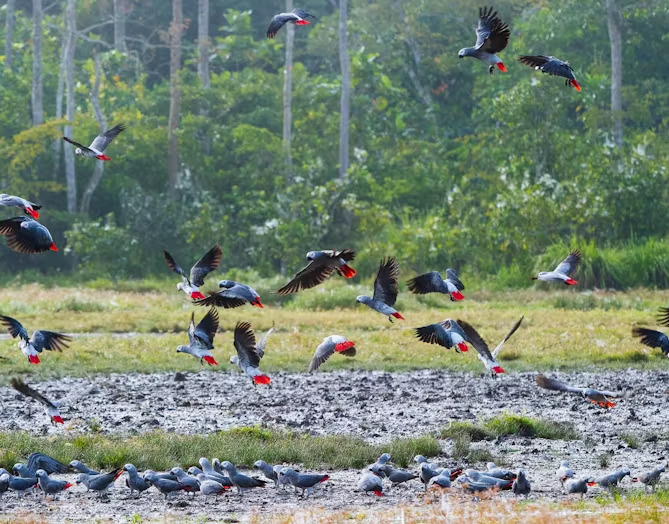
The incredible diversity of bird species represents one of the most impressive aspects of what animals are in the Odzala Kokoua, with over 440 documented species creating paradise conditions for birdwatchers and ornithologists from around the world. This remarkable variety stems from the park's position within the Congo Basin, where different forest types meet and create diverse microhabitats supporting everything from tiny sunbirds to massive hornbills. Early morning birding expeditions reveal the forest's acoustic complexity as dozens of species create dawn choruses that change with seasons and weather patterns.
Hartlaub's duck, Nkulengu rail, and spot-breasted ibis represent just a few of the specialized species that make what animals are in the Odzala Kokoua so attractive to serious birders seeking rare African species. These birds occupy specific ecological niches from forest streams to dense undergrowth, requiring different observation techniques and considerable patience to observe and photograph successfully. The park's remote location has preserved bird communities that disappeared from more accessible areas, making every sighting potentially significant for conservation and research purposes.
Congo serpent eagle and long-tailed hawk dominate the raptor community among what animals are in the Odzala Kokoua, hunting from forest canopy perches where their keen eyesight spots movement far below. These aerial predators play crucial roles in controlling rodent and small mammal populations while serving as indicators of ecosystem health. Their presence requires intact forest corridors and stable prey populations, making their conservation status important measures of the park's overall ecological condition.
The park's bird diversity extends from ground-dwelling species that forage in leaf litter to canopy specialists that rarely descend below the highest branches, creating vertical communities that maximize resource use throughout different forest layers.
Aquatic Life and Reptiles
The aquatic ecosystems within Odzala Kokoua support an remarkable 325 fish species that contribute significantly to what animals are in the Odzala Kokoua, including the famous boto river dolphin that represents one of Africa's most unique marine mammals. These freshwater dolphins navigate the park's river systems with echolocation abilities similar to their oceanic cousins, creating magical encounters for visitors fortunate enough to witness their playful behaviors. The rivers and streams provide essential water sources for terrestrial animals while supporting complex aquatic food webs that include numerous endemic fish species found nowhere else on Earth.
Dwarf and slender-snouted crocodiles represent the primary reptilian predators among what animals are in the Odzala Kokoua, occupying different aquatic habitats where they control fish populations and serve as apex predators in their respective environments. The dwarf crocodile, Africa's smallest crocodilian species, prefers smaller streams and forest pools where its modest size allows successful hunting in confined spaces. Slender-snouted crocodiles inhabit larger rivers where their specialized jaws excel at catching fish rather than larger mammals.
The park's reptile diversity extends beyond crocodiles to include numerous snake species, lizards, and turtles that fill various ecological roles throughout what animals are in the Odzala Kokoua. Forest streams support specialized fish communities adapted to varying water conditions, from fast-flowing rapids to quiet backwaters where different species thrive. These aquatic systems connect different parts of the park while providing corridors for animal movement and genetic exchange between isolated populations.
Seasonal flooding patterns create dynamic aquatic environments that change throughout the year, supporting different species communities and providing varied wildlife viewing opportunities for visitors exploring the park's waterways.
Planning Your Odzala Safari Experience
Planning your safari to discover what animals are in the Odzala Kokoua requires careful consideration of seasonal patterns, with the dry season from May through December offering the best wildlife viewing conditions and accessibility to remote areas. The park receives approximately 1,500mm of annual rainfall, making the wettest months challenging for travel and wildlife observation as animals disperse throughout the vast forest and roads become impassable. Dry season concentrates animals around permanent water sources while improving visibility in reduced vegetation density.
Gorilla tracking permits represent the most important reservation requirement for visitors hoping to encounter the flagship species among what animals are in the Odzala Kokoua, with limited daily permits ensuring minimal impact on sensitive gorilla families. These permits must be booked well in advance through authorized tour operators who coordinate with park authorities to manage visitor numbers and maintain sustainable tourism practices. Professional guides possess essential knowledge about animal behavior, safety protocols, and forest navigation techniques that ensure successful and safe wildlife encounters.
Remote forest camps provide the only accommodation options within the park, creating authentic wilderness experiences that immerse visitors completely in the natural environment where what animals are in the Odzala Kokoua can be observed without human interference. These camps operate on solar power and follow strict environmental guidelines to minimize impact on surrounding ecosystems. Multi-day itineraries allow sufficient time to encounter different species while accounting for the patience required to observe elusive forest animals.
Your visit directly supports conservation efforts and local communities who benefit from tourism revenue while protecting their traditional lands