Picture this: you're sitting in a safari vehicle at dawn, watching the African sun paint the savanna golden while a pride of lions stretches lazily just 50 meters away. This isn't just a dream – it's a typical morning at Akagera National Park! As someone who's spent countless hours exploring Rwanda's wilderness, I can tell you that Akagera National Park offers one of East Africa's most underrated safari experiences. What makes Akagera National Park truly special is its incredible recovery story – from near extinction to becoming Rwanda's premier wildlife destination.
Akagera National Park Rwanda sits proudly in the country's northeast, covering 1,122 square kilometers of pure African wilderness. The magic of Akagera National Park lies in its diverse ecosystems, from sprawling savannas to mysterious wetlands, all fed by the life-giving Akagera River. When you visit Akagera National Park, you're not just going on safari – you're witnessing one of conservation's greatest success stories unfold before your eyes.
Akagera National Park Rwanda
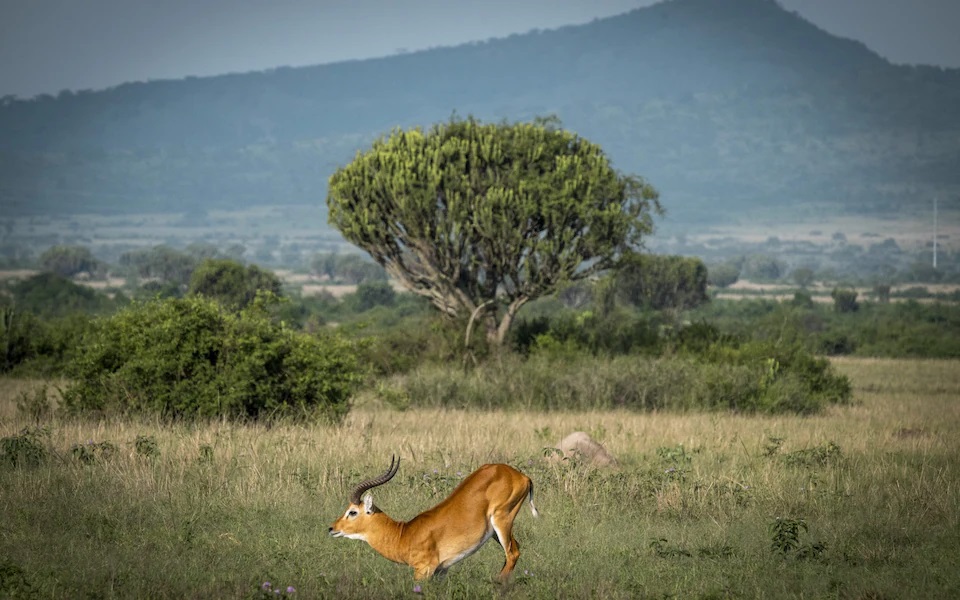
Akagera National Park Rwanda represents the perfect blend of conservation success and authentic African safari experience. Located in northeastern Rwanda along the border with Tanzania, Akagera National Park spans 1,122 square kilometers of diverse landscapes that will leave you breathless. The park takes its name from the Akagera River, which meanders through the eastern boundary, creating a network of lakes and wetlands that make Akagera National Park a biodiversity hotspot. What struck me most during my first visit to Akagera National Park was how the landscape constantly changes – one moment you're driving through open savanna, the next you're surrounded by dense acacia woodlands.
The establishment of Akagera National Park dates back to 1934, making it one of Africa's oldest protected areas. After facing significant challenges during Rwanda's difficult period in the 1990s, Akagera National Park has emerged stronger than ever under the joint management of Rwanda Development Board and Gorilla Pathfinders. Today, visiting Akagera National Park means witnessing a conservation miracle – lions have returned, elephant populations are thriving, and the ecosystem is flourishing like never before.
Akagera National Park Attractions
The attractions within Akagera National Park are simply mind-blowing, offering visitors a complete East African safari experience without leaving Rwanda. Lake Ihema, the largest lake in Akagera National Park, serves as the crown jewel where massive hippo pods and Nile crocodiles call home. During my boat safari on Lake Ihema in Akagera National Park, I counted over 80 hippos in a single pod – an absolutely incredible sight! The Mutumba Hills provide stunning panoramic views across Akagera National Park, especially during sunrise when the entire landscape comes alive with golden light.
What makes Akagera National Park attractions unique is their accessibility and diversity. The park's road network allows you to explore different habitats within Akagera National Park, from the Nyiramasaka Plains where large herds of zebra and topi graze, to the mysterious papyrus swamps where rare birds hide. The recent reintroduction of lions to Akagera National Park has added an extra thrill factor – there's nothing quite like the excitement of tracking these magnificent predators through the savanna.
Best Akagera National Park Hotels And Lodges
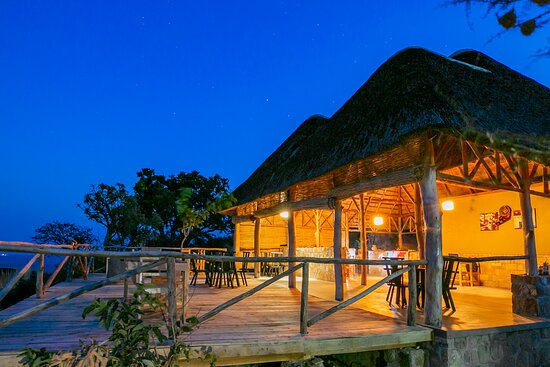
Accommodation options in Akagera National Park cater to every budget and preference, ensuring your stay complements the incredible wildlife experience. Magashi Camp, the luxury flagship accommodation in Akagera National Park, offers six elegant tented suites overlooking Lake Rwanyakazinga with world-class service that rivals any African safari lodge. I'll never forget waking up at Magashi Camp to the sound of fish eagles calling across the water – pure magic! Rusizi Tented Camp provides a more intimate experience within Akagera National Park, perfect for travelers seeking comfort without the premium price tag.
For budget-conscious travelers, Akagera National Park offers several camping sites where you can pitch your tent under the African stars. The designated camping areas in Akagera National Park are well-maintained and safe, with basic facilities that make wilderness camping accessible to everyone. What I love about staying overnight in Akagera National Park is how the sounds change – during the day you hear birds and insects, but at night the haunting calls of hyenas and the distant roar of lions remind you that you're truly in the wild heart of Africa.
How To Get There to Akagera National Park
Getting to Akagera National Park is refreshingly straightforward, with multiple options to suit different travel styles and budgets. The most popular route to Akagera National Park involves a scenic 2.5-hour drive from Kigali, Rwanda's capital, covering approximately 108 kilometers through rolling hills and rural villages. I always recommend taking the route through Rwamagana when heading to Akagera National Park – the countryside views are spectacular and give you a real taste of rural Rwanda. The southern entrance gate serves as the main access point to Akagera National Park, where friendly park staff will brief you on safety guidelines and current wildlife sightings.
For those preferring air travel, Akagera Aviation operates charter flights directly to Akagera National Park, landing at the park's private airstrip. Flying into Akagera National Park offers breathtaking aerial views of the landscape and wildlife – I've spotted elephant herds from the air that would have taken hours to find by road! Public transport options to Akagera National Park are limited, so most visitors opt for private vehicles, guided tours, or motorcycle taxis for the final stretch to the park entrance.
Birding in Akagera, Birdwatching Safari Tours in Rwanda
Birdwatching in Akagera National Park ranks among the best birding experiences in East Africa, with over 520 recorded species calling this diverse ecosystem home. The papyrus swamps of Akagera National Park harbor some of Rwanda's rarest birds, including the elusive Shoebill Stork and the endemic Papyrus Gonolek. During my dawn birding session in Akagera National Park, I recorded 73 different species in just four hours – from tiny sunbirds to massive Ground Hornbills! The diversity of habitats within Akagera National Park means you can encounter water birds, savanna species, and forest dwellers all in a single day.
What makes birding in Akagera National Park particularly exciting is the seasonal variation – migratory species arrive between November and April, adding European and northern African birds to the resident population. The boat trips on Lake Ihema in Akagera National Park offer exceptional opportunities to photograph water birds, including African Fish Eagles, Pied Kingfishers, and various heron species. Professional birding guides in Akagera National Park possess incredible knowledge about bird behavior and the best viewing spots, making even novice birdwatchers feel like experts by the end of their visit.
Best Rwanda Safari Companies
Choosing the right safari company for your Akagera National Park adventure can make or break your experience, and fortunately Rwanda boasts several excellent operators. Gorilla Pathfinders specializes in Akagera National Park safaris, offering customized itineraries that combine wildlife viewing with cultural experiences in surrounding communities. Our guides know Akagera National Park inside out – during my safari with them, our guide spotted a leopard that even experienced photographers had been searching for weeks! We focus on sustainable tourism in Akagera National Park, ensuring your visit contributes positively to local conservation efforts and community development.
Akagera National Park's official tour operators maintain the highest safety standards and employ guides with extensive knowledge of wildlife behavior and park regulations. What impressed me most about reputable safari companies operating in Akagera National Park is their commitment to responsible tourism – they understand that preserving this incredible ecosystem depends on sustainable visitor practices. Volcanoes Safaris offers luxury safari experiences in Akagera National Park, complete with professional photography guidance and gourmet bush meals that elevate your wildlife adventure to extraordinary levels.
Cultural Tours Around Akagera National Park Rwanda
The communities surrounding Akagera National Park offer fascinating cultural experiences that perfectly complement your wildlife safari adventure. Traditional Rwandan villages near Akagera National Park maintain centuries-old customs, from cattle-keeping practices to traditional brewing techniques using local ingredients. During my visit to a local cooperative near Akagera National Park, I learned how women weave intricate baskets using traditional patterns passed down through generations – their skill and artistry were absolutely mesmerizing! The cultural tours around Akagera National Park also include visits to genocide memorials, providing important historical context about Rwanda's journey to peace and reconciliation.
Local guides in communities around Akagera National Park share stories about how conservation efforts have transformed their relationship with wildlife. What struck me during these cultural interactions near Akagera National Park was the genuine pride locals feel about their country's conservation success – they understand that protecting wildlife directly benefits their communities through tourism revenue and job creation. Evening cultural performances near Akagera National Park feature traditional drumming, dancing, and storytelling that bring Rwandan history and folklore to life under the African stars.
Game Drives Akagera National Park
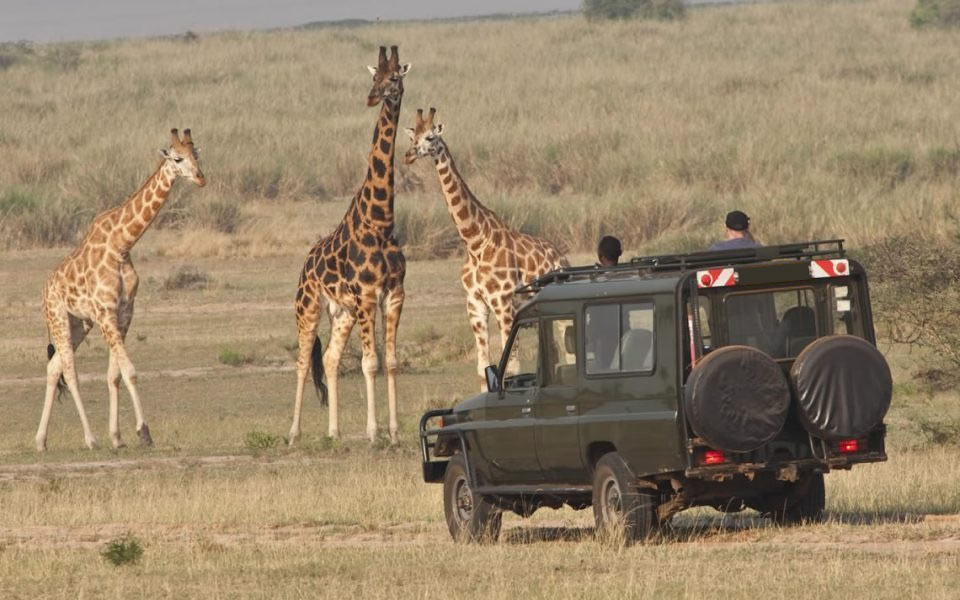
Game drives in Akagera National Park offer some of East Africa's most rewarding wildlife viewing experiences, with excellent chances of spotting the Big Five in their natural habitat. The early morning game drives in Akagera National Park are absolutely magical – as the sun rises, predators are still active while herbivores begin their daily grazing routines. I'll never forget watching a pride of lions in Akagera National Park take down a buffalo just 30 meters from our vehicle – raw nature at its most powerful and beautiful! The park's well-maintained road network allows access to different ecosystems within Akagera National Park, from open plains to dense woodlands.
What makes game drives in Akagera National Park special is the intimate wildlife encounters – unlike overcrowded parks elsewhere in Africa, you often have animal sightings to yourself. The afternoon game drives in Akagera National Park coincide with increased animal activity as temperatures cool, offering excellent photography opportunities with dramatic lighting. Professional guides conducting game drives in Akagera National Park possess remarkable tracking skills and wildlife knowledge, often predicting animal movements and behaviors that lead to spectacular sightings.
Entrance Fees and Costs Akagera National Park
Understanding the costs associated with visiting Akagera National Park helps you budget effectively for this incredible safari experience. Entrance fees for Akagera National Park vary by residency status – international visitors pay $100 per person for day visits, while East African residents enjoy reduced rates. The pricing structure for Akagera National Park reflects the park's commitment to making wildlife experiences accessible while generating revenue for conservation efforts. What I appreciate about Akagera National Park's fee structure is its transparency – all costs are clearly outlined with no hidden charges or unexpected expenses.
Additional activities in Akagera National Park carry separate fees – boat trips cost $25 per person, while night game drives require an extra $40 per vehicle. Camping fees in Akagera National Park are incredibly reasonable at just $15 per tent, making wilderness camping affordable for budget travelers. When calculating total costs for visiting Akagera National Park, remember to factor in transportation, accommodation, and meals – but trust me, the experience is worth every penny when you witness the incredible wildlife recovery story firsthand.
Camping in Akagera National Park
Camping in Akagera National Park offers an authentic African wilderness experience that connects you intimately with nature's rhythms and sounds. The designated camping sites within Akagera National Park provide basic facilities including toilets, showers, and cooking areas, all maintained to high cleanliness standards. There's something absolutely magical about falling asleep in Akagera National Park to the sound of hippos grunting in nearby lakes while hyenas call in the distance – it's camping like nowhere else on earth! The camping areas in Akagera National Park are strategically located to maximize wildlife viewing opportunities while ensuring visitor safety.
What makes camping in Akagera National Park particularly special is the flexibility it offers – you can extend your stay based on wildlife sightings and weather conditions. Security at camping sites in Akagera National Park is excellent, with regular ranger patrols ensuring campers feel safe throughout their stay. During my camping experience in Akagera National Park, I woke up to find elephant tracks just meters from my tent – evidence of the incredible wildlife activity that happens while you sleep under the African stars.
Boat Trips and Tours in Akagera National Park
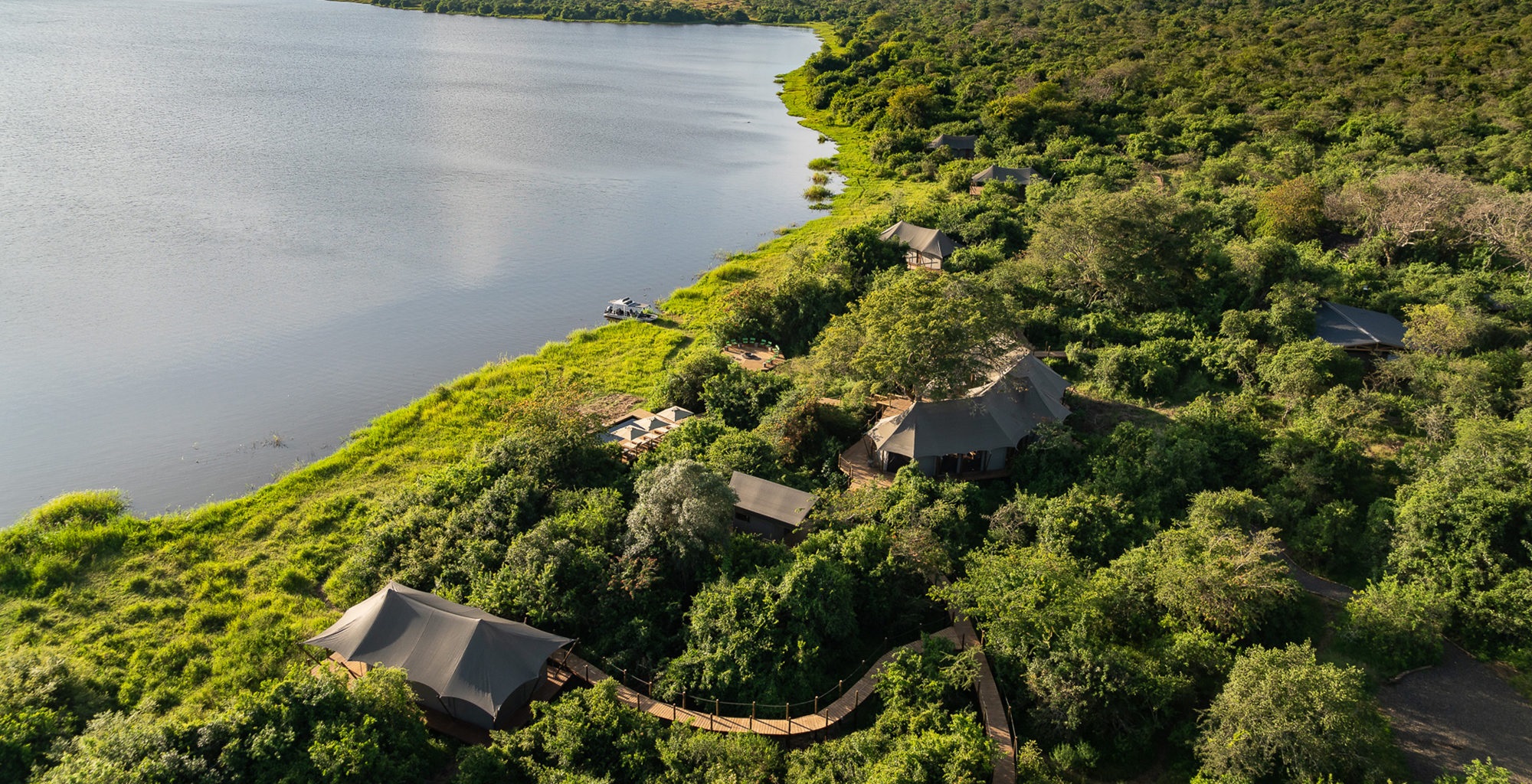
Boat safaris on Lake Ihema in Akagera National Park provide a completely different perspective on wildlife viewing, offering close encounters with hippos and crocodiles impossible during land-based game drives. The two-hour boat trips in Akagera National Park traverse the lake's various inlets and channels, each revealing different wildlife species and bird communities. I was absolutely stunned during my boat safari in Akagera National Park when we encountered a pod of over 100 hippos – the guides expertly positioned our boat for incredible photography while maintaining safe distances from these powerful animals.
The morning boat trips in Akagera National Park coincide with peak bird activity, offering exceptional opportunities to photograph African Fish Eagles, kingfishers, and various waterbirds. What impressed me most about the boat tours in Akagera National Park was how knowledgeable the boat captains were about aquatic ecosystems and wildlife behavior – they could predict where hippos would surface and identify different crocodile species from considerable distances. Sunset boat trips in Akagera National Park create magical moments as the golden light reflects off the water while wildlife comes to drink at the lake's edge.
Lions Of Akagera National Park Rwanda
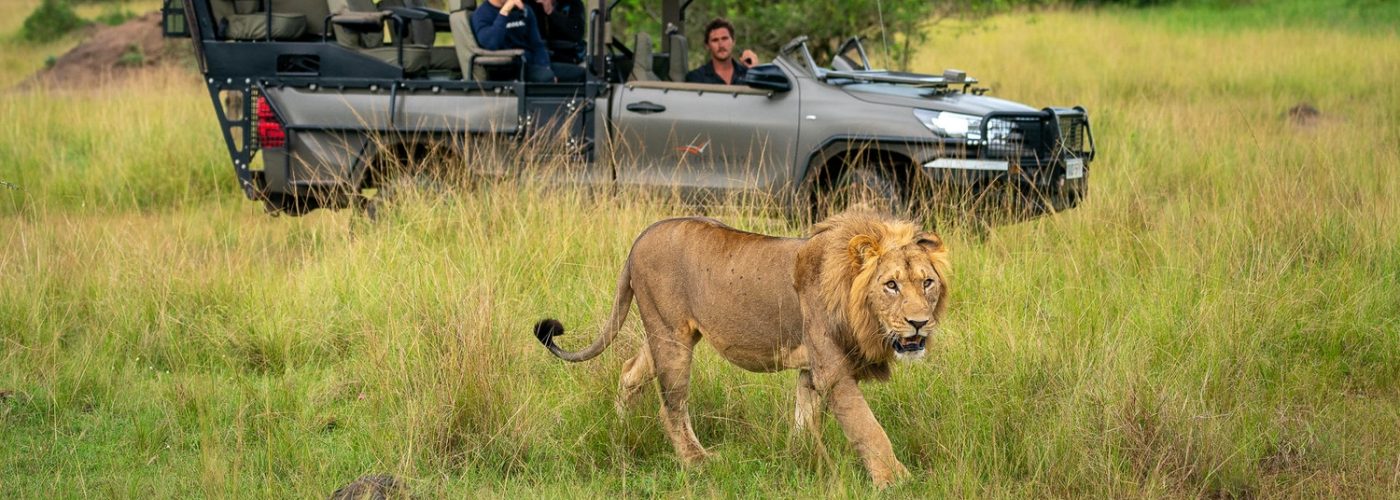
The return of lions to Akagera National Park represents one of conservation's most remarkable success stories, with seven lions reintroduced from South Africa in 2015. Today, the lion population in Akagera National Park has grown to over 40 individuals, proving that successful wildlife reintroduction is possible with proper planning and community support. Tracking lions in Akagera National Park requires patience and skill – these apex predators are masters of camouflage and often rest in dense vegetation during hot daylight hours. My first lion sighting in Akagera National Park was absolutely breathtaking – a magnificent male emerged from acacia woodland just as the sun set behind him, creating a silhouette I'll never forget.
The lions of Akagera National Park have adapted remarkably well to their new environment, successfully hunting local prey species and establishing territories throughout the park. What makes lion watching in Akagera National Park particularly exciting is their unpredictable behavior – unlike habituated lions in other parks, Akagera National Park's lions maintain their wild instincts and natural fear of humans. The park's radio collars on some lions help researchers monitor their movements and behavior, contributing valuable data to lion conservation efforts across Africa.
Rwanda Safari Tours, Rwanda Safaris
Rwanda safaris centered around Akagera National Park offer incredible value compared to similar experiences in neighboring countries, with less crowded conditions and more intimate wildlife encounters. The typical Rwanda safari experience in Akagera National Park combines game drives, boat trips, and cultural visits into comprehensive packages that showcase the country's natural and cultural heritage. What sets Akagera National Park safaris apart from other African destinations is the personal attention you receive – guides often customize experiences based on your interests and photography preferences.
Multi-day safari packages in Akagera National Park allow time to explore different areas of the park and increase chances of rare wildlife sightings like leopards and rhinoceros. The Rwanda safari industry around Akagera National Park maintains high standards of professionalism and safety, with guides undergoing rigorous training in wildlife knowledge, first aid, and customer service. During peak season, booking Rwanda safaris to Akagera National Park in advance is essential, but the shoulder seasons offer excellent wildlife viewing with fewer visitors and often better photography conditions.
History and facts About Akagera National Park
Akagera National Park's history reflects Rwanda's broader story of resilience, conservation, and recovery from adversity. Established in 1934 under Belgian colonial rule, Akagera National Park originally covered 2,500 square kilometers, making it one of Africa's largest protected areas. The park's size was reduced by nearly 50% in 1997 to accommodate returning refugees, a decision that nearly led to Akagera National Park's ecological collapse due to increased poaching and habitat destruction. This period in Akagera National Park's history taught important lessons about balancing human needs with conservation requirements.
The transformation of Akagera National Park began in 2010 when Gorilla Pathfinders entered into a management agreement with Rwanda Development Board. Since then, Akagera National Park has become a model for successful conservation management in Africa, with wildlife populations recovering dramatically and tourism revenue supporting local communities. Today, Akagera National Park employs over 200 local people directly, while thousands more benefit indirectly from tourism activities and conservation programs that have restored this incredible ecosystem to its former glory.
Top Wildlife in Akagera National Park
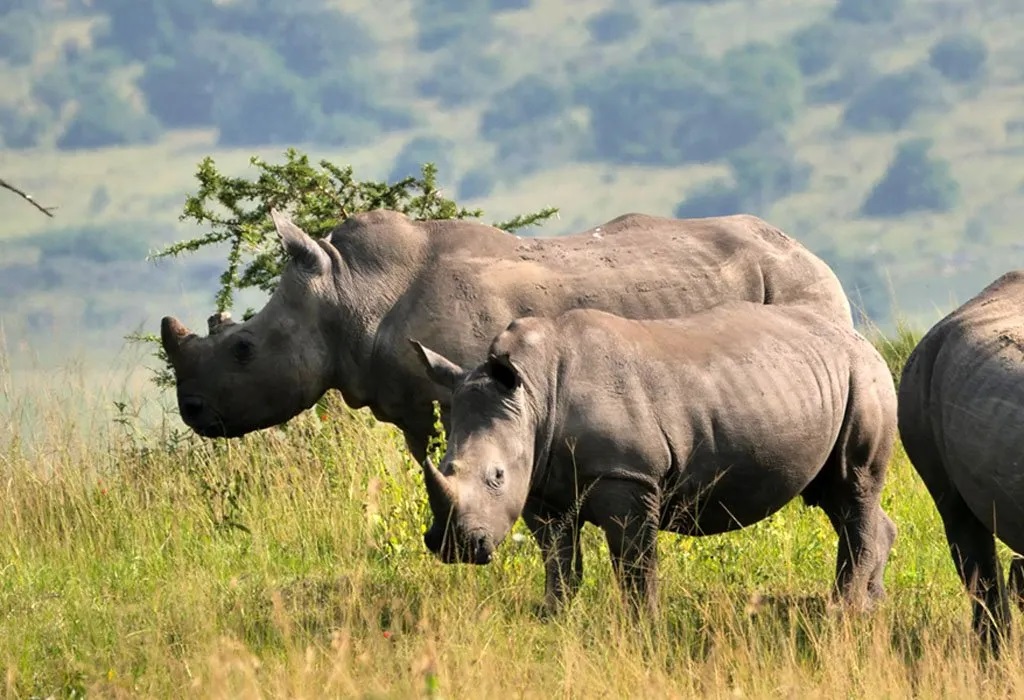
The wildlife diversity in Akagera National Park is absolutely staggering, with over 12,000 large mammals calling this protected ecosystem home. Elephant populations in Akagera National Park have recovered remarkably since 2010, growing from fewer than 100 individuals to over 120 today. The buffalo herds in Akagera National Park are particularly impressive – I've witnessed gatherings of over 300 individuals moving across the plains like a black tide! What makes wildlife viewing in Akagera National Park special is the healthy predator-prey relationships that create dynamic ecosystems where natural behaviors unfold before your eyes.
The successful reintroduction programs in Akagera National Park have restored missing species and strengthened ecological balance. Lions returned in 2015, followed by eastern black rhinos in 2017, making Akagera National Park Rwanda's only Big Five destination. The giraffe populations in Akagera National Park have adapted well to the varied vegetation, with their distinctive reticulated patterns making them easily distinguishable from other East African subspecies. Watching wildlife interactions in Akagera National Park – from elephant families protecting their young to predators stalking prey – provides insights into complex ecosystem dynamics that few places on earth can match.
Animals in Akagera National Park
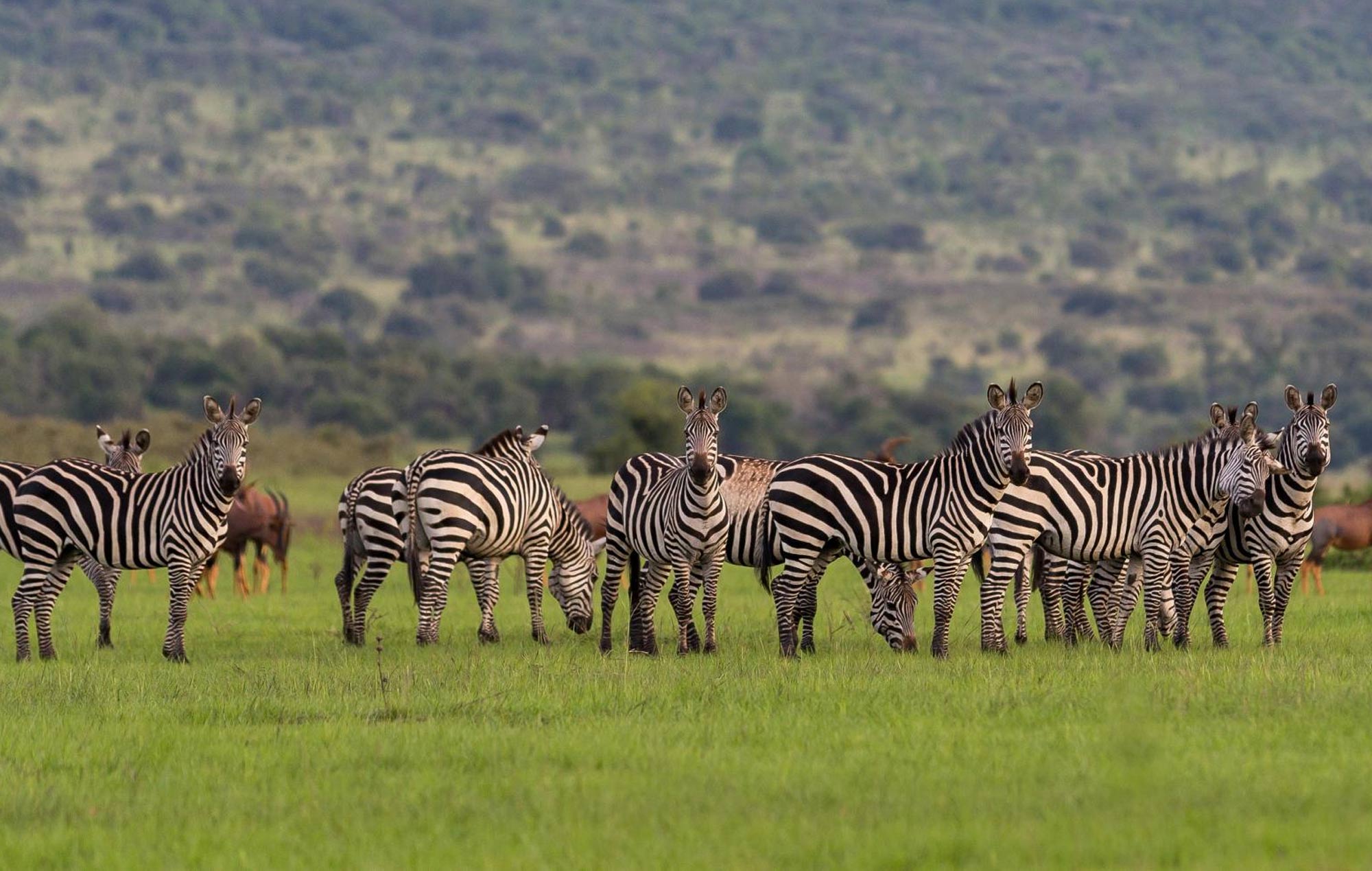
The animal diversity in Akagera National Park includes over 500 bird species and dozens of mammal species ranging from tiny dikdiks to massive elephants. The antelope species in Akagera National Park are particularly diverse, including topi, impala, bushbuck, and the rare roan antelope that's found in few other East Gorilla Pathfinders. Primate populations in Akagera National Park include olive baboons, vervet monkeys, and nocturnal bush babies that emerge after dark during night game drives. What fascinated me during my wildlife surveys in Akagera National Park was discovering how different species have adapted to the park's varied habitats – from aquatic specialists like hippos to desert-adapted species like klipspringers.
The carnivore populations in Akagera National Park have recovered dramatically, with hyenas, leopards, and caracals maintaining healthy numbers alongside the reintroduced lions. Reptile species in Akagera National Park include Nile crocodiles, various snake species, and numerous lizard species that add to the park's biodiversity. The smaller mammals in Akagera National Park often go unnoticed but play crucial ecological roles – species like genets, civets, and mongooses help control insect populations and disperse seeds throughout the ecosystem.
Bird Watching in Akagera National Park
Birdlife in Akagera National Park is absolutely spectacular, with over 520 recorded species making it one of East Africa's premier birding destinations. The papyrus swamps in Akagera National Park harbor rare and endemic species like the Papyrus Gonolek and Red-faced Barbet that attract birdwatchers from around the world. Water birds dominate the lakes and wetlands of Akagera National Park, including African Fish Eagles, various kingfisher species, and massive flocks of waterbirds during migration seasons. My personal birding record in Akagera National Park stands at 127 species in a single day – a testament to the incredible avian diversity found throughout the park's varied habitats.
The seasonal bird migrations to Akagera National Park create spectacular viewing opportunities between November and April when European and northern African species join resident populations. Raptor species in Akagera National Park include several eagle species, various hawks, and the impressive Secretary Bird that stalks through grasslands hunting snakes and small mammals. What makes birding in Akagera National Park particularly rewarding is the accessibility of different habitats – you can observe forest birds, savanna species, and waterbirds all within a single game drive route.
Best Things to do in Akagera National Park
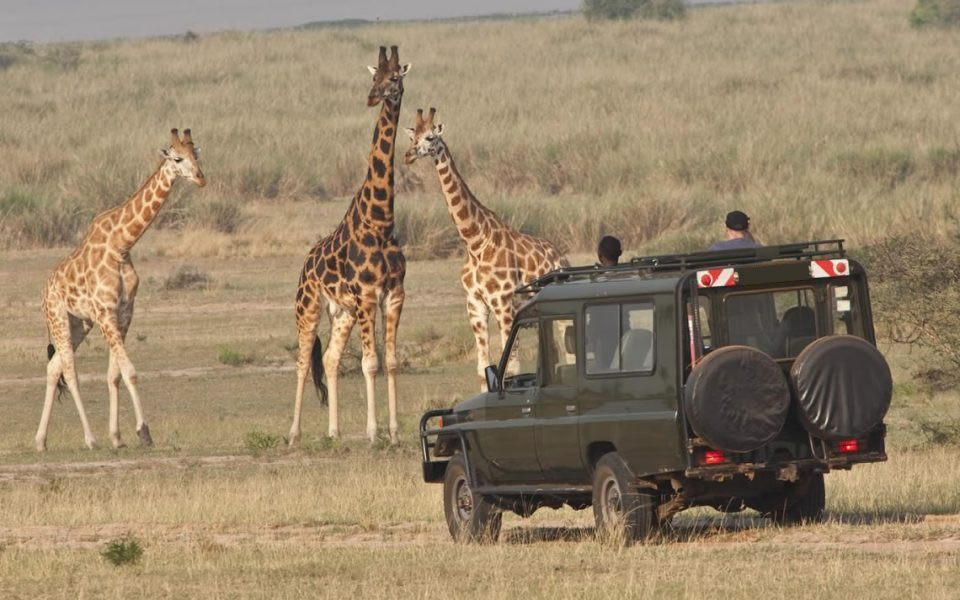
The activities available in Akagera National Park cater to different interests and adventure levels, ensuring every visitor finds their perfect African experience. Game drives remain the most popular activity in Akagera National Park, offering chances to encounter the Big Five and numerous other species in their natural habitat. Boat safaris on Lake Ihema provide unique perspectives on aquatic wildlife that's impossible to observe during land-based activities in Akagera National Park. What I love about the activity options in Akagera National Park is how they complement each other – morning game drives followed by afternoon boat trips create comprehensive wildlife experiences that showcase the park's incredible biodiversity.
Night activities in Akagera National Park reveal completely different animal behaviors and species that remain hidden during daylight hours. The recently introduced rhino tracking experience in Akagera National Park offers intimate encounters with these magnificent creatures while supporting ongoing conservation research. Cultural activities around Akagera National Park provide context about local communities and their relationship with wildlife conservation, adding depth to your safari experience beyond pure wildlife viewing.
Akagera National Park Game Drives
Game drives in Akagera National Park offer world-class wildlife viewing opportunities rivaling any East African destination, with the added benefit of fewer crowds and more intimate encounters. The early morning game drives in Akagera National Park are absolutely magical as predators remain active while prey species begin their daily routines. Professional guides conducting game drives in Akagera National Park possess incredible tracking skills and can interpret animal signs that reveal recent wildlife activity and predict future movements. During my most memorable game drive in Akagera National Park, we followed lion tracks for two hours before finding a pride resting under acacia trees just meters from our vehicle.
The road network in Akagera National Park allows access to diverse habitats during single game drives, from open savanna where large herds graze to dense woodlands where leopards hunt. What makes game drives in Akagera National Park particularly special is the healthy ecosystem dynamics – predator-prey relationships unfold naturally, creating exciting wildlife interactions. The afternoon game drives in Akagera National Park coincide with increased animal activity as temperatures cool, offering excellent photography opportunities with dramatic lighting that brings out the colors of both wildlife and landscape.
Nocturnal Game Drives
Night game drives in Akagera National Park reveal a completely different world of wildlife activity that remains hidden during daylight hours. The nocturnal hunters of Akagera National Park include leopards, caracals, servals, and various smaller carnivores that emerge after dark to hunt prey species. Armed with powerful spotlights, guides conducting night drives in Akagera National Park can locate animals by their eye shine and behavior patterns that differ dramatically from daytime activities. My most thrilling night drive experience in Akagera National Park involved tracking a leopard for over an hour as it stalked prey through dense vegetation – the tension and excitement were absolutely incredible!
The sounds of Akagera National Park at night create an incredible audio backdrop – from the haunting calls of hyenas to the territorial roars of lions echoing across the savanna. Nocturnal birds in Akagera National Park include several owl species, nightjars, and other species rarely encountered during day activities. What fascinates me about night drives in Akagera National Park is how different animals behave – species that seem docile during the day become alert and active, while predators display hunting behaviors that reveal their true wild nature.
Birding In Akagera National Park
Dedicated birding expeditions in Akagera National Park cater to serious birdwatchers seeking to add rare East African species to their life lists. The diverse habitats within Akagera National Park support different bird communities – papyrus swamps harbor endemic species, open savanna hosts ground-dwelling birds, and lake shores attract numerous waterbird species. Professional birding guides in Akagera National Park can identify species by call alone and know exactly where to find specific birds based on seasonal patterns and behavioral preferences. During my intensive birding week in Akagera National Park, I recorded 312 species – including several lifers that had eluded me for years!
The early morning birding sessions in Akagera National Park coincide with peak bird activity when species are most vocal and visible. Migration seasons in Akagera National Park transform the birding experience dramatically as European and northern African species join resident populations, creating incredible diversity and activity levels. What makes birding in Akagera National Park particularly rewarding is the combination of species – you can observe both common East African birds and rare endemics during single outings, making every birding session productive and exciting.
Spot Fishing in Lake Shakani
Sport fishing in Lake Shakani within Akagera National Park offers a unique angling experience surrounded by African wilderness and wildlife. Lake Shakani in Akagera National Park is the only location in Rwanda where recreational fishing is permitted, making it a special destination for angling enthusiasts. The fish species in Lake Shakani include tilapia and catfish, with some specimens reaching impressive sizes that provide exciting fights for anglers. What makes fishing in Akagera National Park particularly memorable is the wildlife soundtrack – hippos snorting nearby, birds calling overhead, and the occasional elephant coming to drink at the water's edge.
The fishing spots around Lake Shakani in Akagera National Park are carefully managed to minimize environmental impact while maximizing angling success. Catch-and-release practices are encouraged in Akagera National Park to maintain healthy fish populations for future visitors. During my fishing session at Lake Shakani in Akagera National Park, I caught several large tilapia while watching a family of warthogs drink just 20 meters away – combining two passions into one incredible experience that epitomizes what makes this park so special.
Boat Safaris on Lake Ihema
Lake Ihema boat safaris in Akagera National Park provide exceptional wildlife viewing opportunities that are impossible to achieve during land-based game drives. The hippo populations on Lake Ihema in Akagera National Park are among East Africa's largest, with pods exceeding 100 individuals creating incredible photographic opportunities. Professional boat captains operating on Lake Ihema in Akagera National Park possess intimate knowledge of wildlife behavior and can position boats for optimal viewing while maintaining safe distances from dangerous animals. My most memorable boat safari moment in Akagera National Park occurred when a curious hippo approached our boat and remained alongside for several minutes – an encounter that was both thrilling and humbling.
The bird watching opportunities during boat safaris on Lake Ihema in Akagera National Park are absolutely outstanding, with waterbirds, raptors, and forest species all visible from the water. Crocodile populations on Lake Ihema in Akagera National Park include impressive specimens that can be observed basking on shores or floating just beneath the surface. What makes boat safaris in Akagera National Park particularly special is the different perspective they provide – seeing elephants drinking at the water's edge from a boat offers intimate views that would be impossible from safari vehicles on land.
How to get to Akagera National Park
Reaching Akagera National Park from Kigali involves a scenic 2.5-hour drive through Rwanda's beautiful countryside, passing traditional villages and terraced hillsides. The main route to Akagera National Park follows paved roads through Rwamagana town, with clear signage directing visitors to the southern park entrance. Road conditions leading to Akagera National Park are excellent, making the journey comfortable for all vehicle types including standard passenger cars. What I enjoy about the drive to Akagera National Park is how the landscape gradually changes from cultivated hills to wild savanna, building anticipation for the wildlife encounters ahead.
Alternative transportation to Akagera National Park includes charter flights landing at the park's private airstrip, offering spectacular aerial views of the landscape and wildlife. Public transportation options to reach Akagera National Park are limited, with most visitors choosing private vehicles, organized tours, or motorcycle taxis for the final stretch to the park entrance. The entrance procedures at Akagera National Park are efficient and friendly, with staff providing current wildlife information and safety briefings that enhance your visit from the moment you arrive.
Accommodation in Akagera National Park
Accommodation options within Akagera National Park range from luxury safari lodges to budget camping sites, ensuring every traveler finds suitable lodging for their African adventure. Magashi Camp represents the pinnacle of luxury accommodation in Akagera National Park, with elegant tented suites overlooking Lake Rwanyakazinga and world-class service that rivals any African safari lodge. The mid-range options in Akagera National Park provide comfortable accommodation with essential amenities while maintaining reasonable prices for budget-conscious travelers. What impressed me about staying overnight in Akagera National Park was how the sounds change after dark – the haunting calls of hyenas and distant lion roars remind you that you're sleeping in the heart of African wilderness.
Budget accommodation in Akagera National Park includes well-maintained camping sites with basic facilities that make wilderness camping accessible and safe for all visitors. The location of accommodations within Akagera National Park maximize wildlife viewing opportunities – many lodges and camps offer excellent game viewing directly from your room or tent. Booking accommodation in Akagera National Park during peak season requires advance planning, but the shoulder seasons offer excellent value with reduced rates and often better wildlife viewing conditions due to fewer visitors.
Best time to visit Akagera National Park
The optimal time to visit Akagera National Park depends on your priorities, with different seasons offering distinct advantages for wildlife viewing and photography. The dry season in Akagera National Park from June to September provides excellent game viewing as animals concentrate around permanent water sources and vegetation is less dense. Wildlife photography in Akagera National Park during dry season benefits from clear skies, good visibility, and predictable animal behavior patterns that make planning shots easier. My personal preference for visiting Akagera National Park is during the shoulder seasons when weather is pleasant, crowds are minimal, and wildlife activity remains high.
The wet season in Akagera National Park from October to May brings lush vegetation, newborn animals, and incredible bird diversity as migratory species arrive from northern regions. What many visitors don't realize about rainy season in Akagera National Park is that wildlife viewing can actually be better – animals are more active, colors are vibrant, and dramatic skies create stunning photographic conditions. Weather patterns in Akagera National Park are generally predictable, allowing visitors to plan activities around optimal conditions for their specific interests and photography goals.
Where else to go in Africa?
After experiencing the wildlife wonders of Akagera National Park, other exceptional African destinations await exploration, each offering unique ecosystems and wildlife experiences. Tanzania's Serengeti National Park provides the ultimate wildebeest migration experience that complements the intimate wildlife encounters you'll enjoy in Akagera National Park. Kenya's Masai Mara offers world-famous big cat populations and dramatic river crossings that showcase different aspects of East African wildlife compared to what you'll see in Akagera National Park. What makes combining Akagera National Park with other African destinations particularly rewarding is experiencing how different ecosystems support varying wildlife communities and behaviors.
Uganda's Bwindi Impenetrable National Park offers mountain gorilla encounters that pair perfectly with the savanna wildlife experience of Akagera National Park, creating comprehensive East African safari adventures. Botswana's Okavango Delta provides aquatic safari experiences similar to the boat trips in Akagera National Park but on a much larger scale with different species compositions. The combination of visiting Akagera National Park with other renowned Gorilla Pathfinders creates safari experiences that showcase the continent's incredible biodiversity and conservation success stories across different countries and ecosystems.
Popular Akagera Safaris
The most popular safari packages for Akagera National Park combine multiple activities to create comprehensive wildlife experiences that showcase the park's incredible biodiversity. Three-day Akagera National Park safari packages typically include game drives, boat trips, and cultural visits, providing enough time to encounter most wildlife species and explore different park areas. Luxury safari operators in Akagera National Park offer customized experiences with professional photography guidance, gourmet meals, and premium accommodation that elevate your African adventure to extraordinary levels. What makes Akagera National Park safaris particularly appealing is their excellent value compared to similar experiences in neighboring countries, with less crowded conditions and more intimate wildlife encounters.
Photography-focused safaris in Akagera National Park cater to serious photographers seeking optimal lighting conditions and rare wildlife sightings for portfolio-quality images. Family safari packages to Akagera National Park include educational components and age-appropriate activities that introduce children to wildlife conservation while creating unforgettable memories. The combination safari packages linking Akagera National Park with Rwanda's mountain gorillas offer comprehensive Rwanda wildlife experiences that showcase both savanna and forest ecosystems in a single trip.