How to Get to Bigodi Wetland Sanctuary
Bigodi Wetland Sanctuary sits 37km southeast of Fort Portal, requiring a 45–50-minute drive along a well-maintained surfaced road that makes figuring out how to get to Bigodi Wetland Sanctuary relatively straightforward for most vehicles. The journey takes you through beautiful Ugandan countryside with rolling hills, tea plantations, and traditional villages that provide excellent photo opportunities. Most travelers combine their Bigodi visit with chimp trekking at nearby Kibale National Park, making transport logistics simple and cost-effective.
The most crucial aspect of how to get to Bigodi Wetland Sanctuary involves identifying the correct office - look for the KAFRED signpost, not the other cheaper alternatives that offer inferior experiences. You'll pass the famous Kanyanchu chimp trekking trailhead on your left about 4km before reaching the sanctuary, serving as an excellent landmark to confirm you're on the right track. This proximity to Kibale makes combining activities easy, but also increases confusion as multiple operators compete for tourist attention.
Private vehicle hire from Fort Portal costs approximately $30-50 for a day trip, while public transport options include matatus (shared taxis) that run regularly but require patience and flexibility with timing. Motorcycle taxis offer adventure seekers an exciting way to reach the sanctuary, though road conditions and weather can make this option challenging during rainy seasons. Understanding these transport nuances is essential for successfully planning how to get to Bigodi Wetland Sanctuary without unnecessary complications or delays.
Bigodi Wetland Sanctuary and Surrounds

The area surrounding Bigodi Wetland Sanctuary offers diverse attractions that complement your wetland experience and justify the effort required to learn how to get to Bigodi Wetland Sanctuary effectively. Fort Portal serves as the regional hub with colonial architecture, vibrant markets, and cultural attractions that provide fascinating insights into local Toro kingdom history and traditions. The nearby Crater Lakes region features stunning geological formations and additional hiking opportunities for active travelers.
Local villages around Bigodi showcase traditional Ugandan rural life, with opportunities for cultural interactions, craft purchases, and authentic homestay experiences that many visitors overlook when focusing solely on how to get to Bigodi Wetland Sanctuary. Tea plantations carpet the surrounding hills, creating picturesque landscapes particularly beautiful during morning and evening light. The community-based tourism approach here means your visit directly benefits local families through guide fees, craft sales, and accommodation bookings.
Kibale National Park's proximity makes combining chimp trekking with wetland birding a natural choice for wildlife enthusiasts, though each destination requires separate planning regarding how to get to Bigodi Wetland Sanctuary and timing considerations. The Mpanga Forest Reserve offers additional birding opportunities for serious ornithologists, while the Rwenzori Mountains provide a dramatic backdrop for landscape photography. Understanding these regional connections helps maximize your time and creates a more comprehensive Ugandan wildlife experience.
What to See and Do in Bigodi Wetland Sanctuary

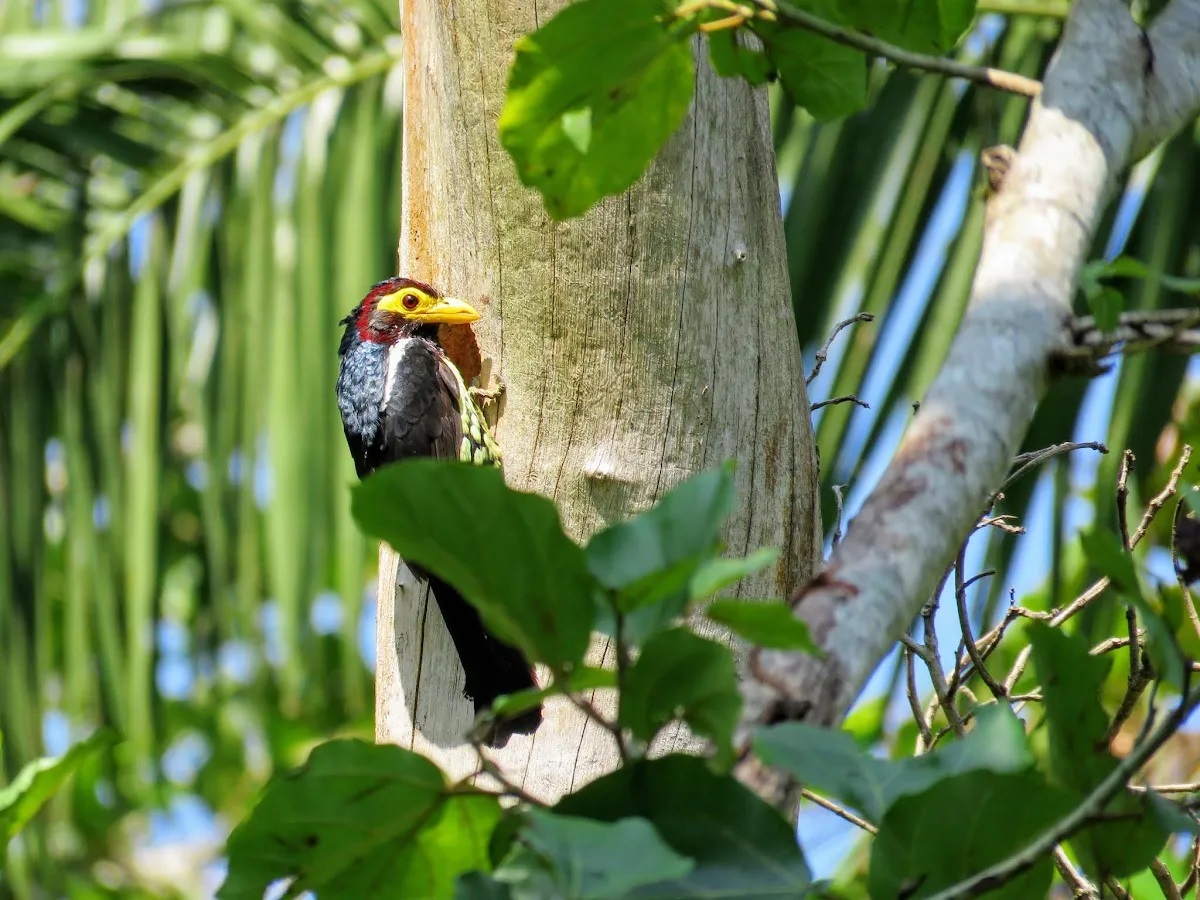
The main activity at Bigodi involves guided walks along a 4.5km foot trail where knowledgeable bird guides showcase their expertise and passion, making the effort to learn how to get to Bigodi Wetland Sanctuary incredibly rewarding for birding enthusiasts. Expect to spot around 30 colorful forest-edge bird species during your visit, including rare finds like the papyrus gonolek and white-spotted flufftail that inhabit the sanctuary's papyrus swamps. Several monkey species frequent the area, including red-tailed monkeys, black-and-white colobus, and blue monkeys that add excitement to your wetland exploration.
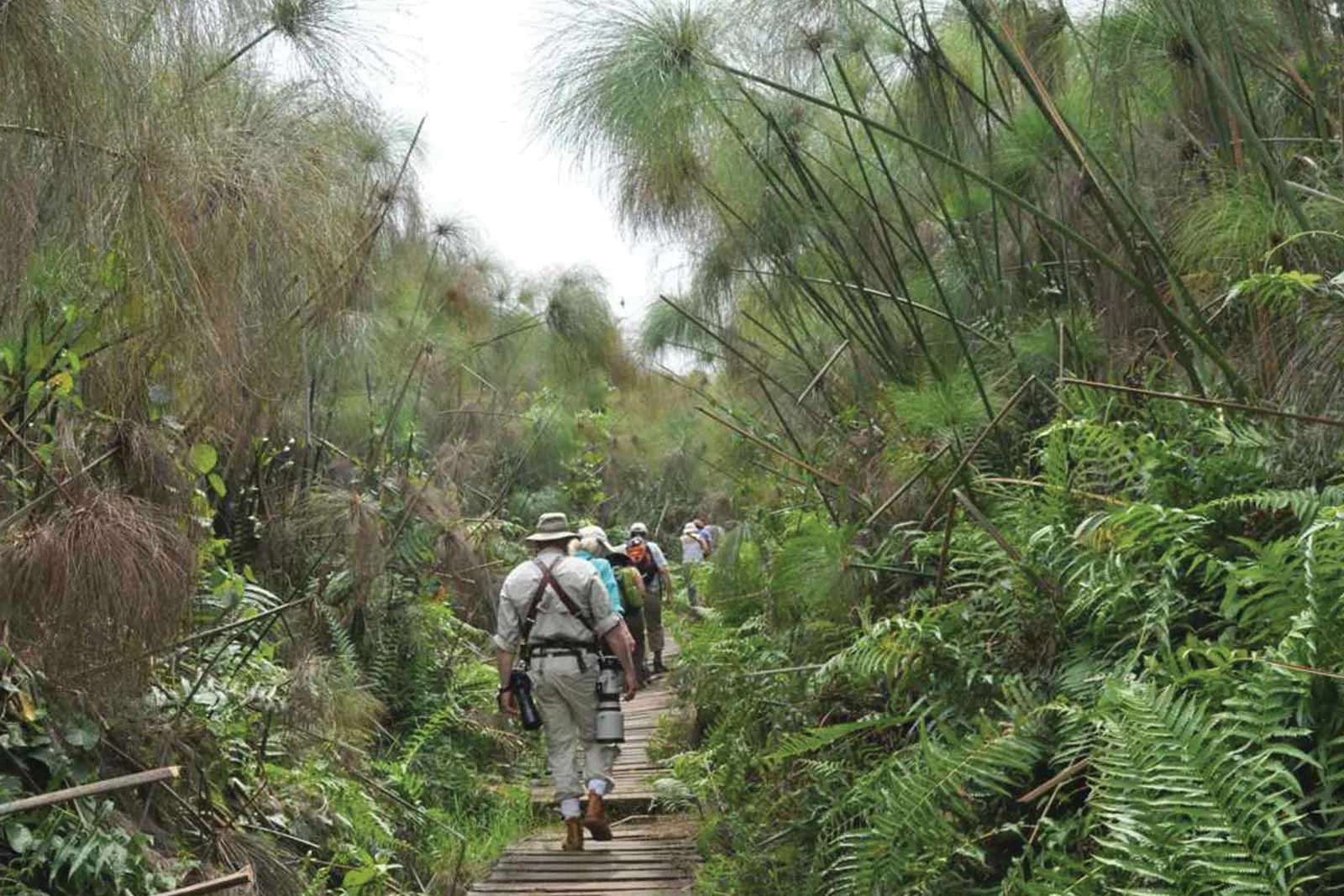
The trail features a wooden boardwalk that penetrates the heart of the papyrus swamp, providing unique viewing opportunities and photographic angles impossible to achieve elsewhere, justifying every challenge involved in figuring out how to get to Bigodi Wetland Sanctuary. This elevated walkway keeps your feet dry while offering intimate encounters with specialized wetland bird species that rarely venture into other habitats. The guides' enthusiasm and extensive knowledge transform a simple walk into an educational experience that deepens appreciation for wetland ecosystems.
Extended trail options include visits to traditional healers and community elders who share cultural knowledge about medicinal plants and traditional conservation practices that local communities have used for generations. These cultural encounters provide context for understanding how to get to Bigodi Wetland Sanctuary within broader community development and conservation frameworks. Night walks offer opportunities to spot nocturnal species including various owl species, nightjars, and small mammals that bring the wetland to life after dark.
Where to Stay Near Bigodi Wetland Sanctuary
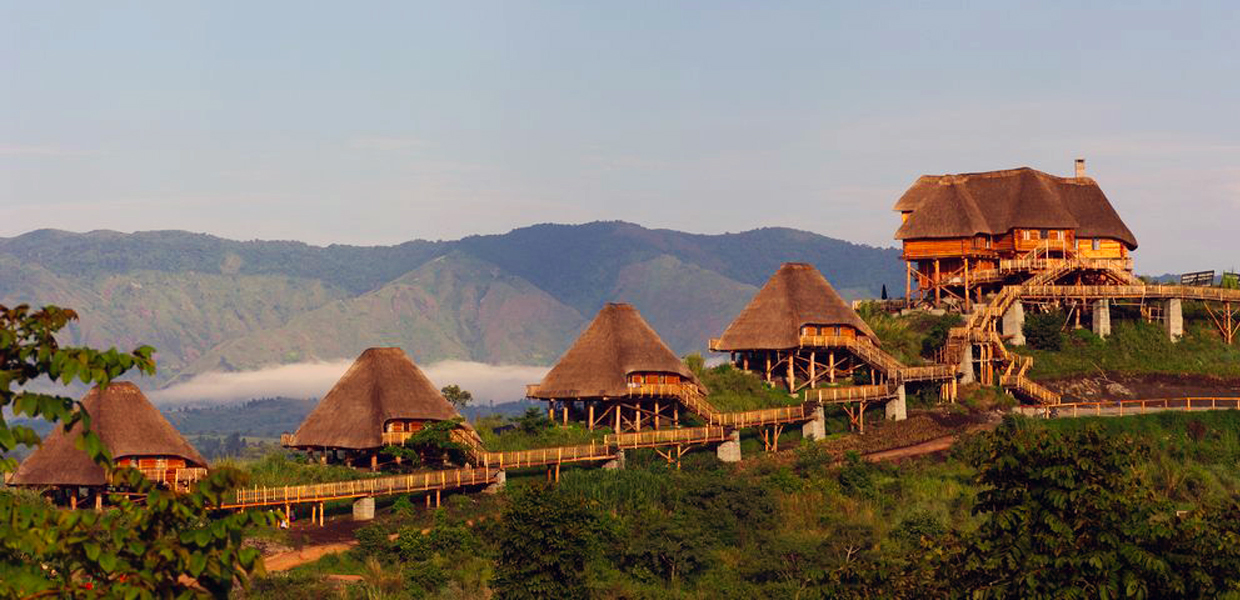
Accommodation options near Bigodi range from luxury lodges to budget guesthouses, with location and quality significantly impacting your overall experience and determining the easiest methods for how to get to Bigodi Wetland Sanctuary from your chosen base. Luxury travelers can choose Crater Safari Lodge or Kyaninga Lodge, both offering premium amenities, stunning locations, and organized transport that eliminates navigation concerns. These high-end properties provide all-inclusive packages that often include guided transfers and activity bookings.
Mid-range accommodations include Chimpanzee Forest Guesthouse and Kibale Forest Camp, offering comfortable stays with reasonable access to both the wetland sanctuary and Kibale National Park activities at moderate prices. These properties usually provide transport arrangements or detailed directions on how to get to Bigodi Wetland Sanctuary, along with local area expertise that enhances your visit. Budget travelers can find various guesthouses in Fort Portal or closer to the sanctuary, with basic amenities that keep costs minimal while maintaining access to activities.
Shoestring travelers can utilize camping facilities at Bigodi Community Campsite or basic local accommodations that offer authentic experiences at rock-bottom prices, though comfort levels vary significantly. These budget options often require more independent navigation skills for how to get to Bigodi Wetland Sanctuary, but provide opportunities for deeper cultural interactions with local communities. Location becomes crucial during rainy seasons when transportation to remote properties can become challenging or impossible.
Where to Eat and Drink Near Bigodi Wetland Sanctuary
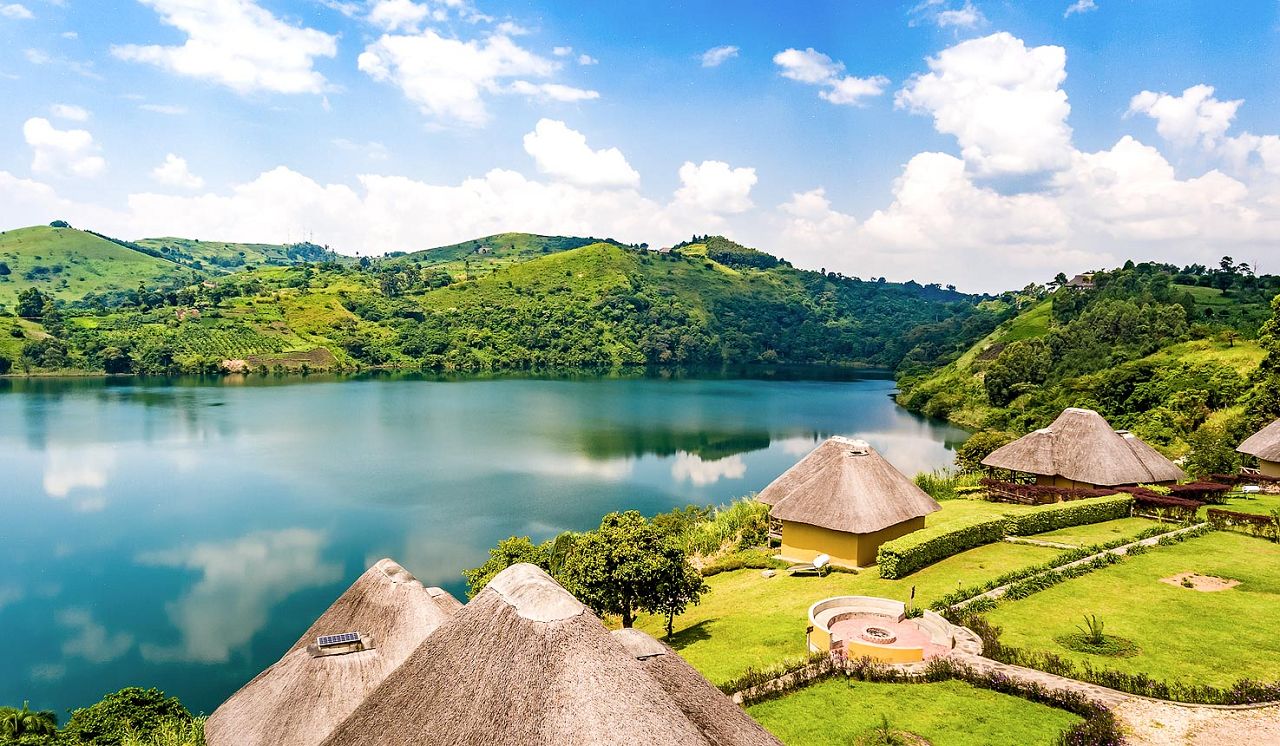
Dining options around Bigodi range from lodge restaurants to local establishments in nearby communities, with food quality and cultural authenticity varying significantly depending on your approach to how to get to Bigodi Wetland Sanctuary and accommodation choices. Most lodges provide all meals as part of accommodation packages, featuring international cuisine alongside Ugandan specialties like matooke (steamed bananas), posho (cornmeal), and fresh fish from local lakes. The quality ranges from basic sustenance to gourmet experiences at premium properties.
Local restaurants in Fort Portal and surrounding villages offer authentic Ugandan cuisine at budget-friendly prices, providing cultural experiences that complement your wetland sanctuary visit and add depth to your journey beyond simply learning how to get to Bigodi Wetland Sanctuary. Street food vendors serve fresh rolex (egg rolls), samosas, and tropical fruits that make excellent snacks during your wetland walks. Local markets provide opportunities to purchase fresh produce and interact with community members who often share insights about the area.
Alcohol availability varies by location and establishment, with most lodges maintaining well-stocked bars featuring Nile beer, Uganda Waragi gin, and international options that provide pleasant relaxation after long days exploring wetlands. Community bars offer authentic local experiences and opportunities to meet residents who often provide valuable tips on how to get to Bigodi Wetland Sanctuary and other hidden attractions. The social aspects of dining and drinking create connections with fellow travelers and local communities that enhance your overall experience.
Weather and Climate of Bigodi Wetland Sanctuary

Bigodi Wetland Sanctuary experiences a warm equatorial climate with minimal seasonal variation and typical daily maximums around 26°C, making weather considerations relatively straightforward when planning how to get to Bigodi Wetland Sanctuary visits throughout the year. Rainfall occurs year-round but reaches lowest levels in January, February, June, and July, making these months optimal for outdoor activities and wildlife viewing. The climate closely mirrors neighboring Kibale National Park, allowing for easy activity coordination between destinations.
The consistent warm temperatures mean you can visit any time of year, though rainfall patterns significantly impact trail conditions and wildlife viewing opportunities that justify the effort required to learn how to get to Bigodi Wetland Sanctuary. Wet seasons create lush vegetation and increased bird activity but also result in muddy trails and challenging walking conditions. Dry seasons offer easier navigation and better photography lighting but may reduce water levels in the wetland areas.
Morning and evening temperatures can drop to around 18-20°C, requiring light layers for early morning birding walks that start at dawn when bird activity peaks. Understanding these climate patterns helps optimize your visit timing and ensures proper packing for comfortable wetland exploration. The relatively stable climate means transport conditions remain consistent, making how to get to Bigodi Wetland Sanctuary feasible year-round with proper preparation and realistic expectations.
Health and Safety When in Bigodi Wetland Sanctuary
Health and safety considerations play crucial roles in planning how to get to Bigodi Wetland Sanctuary, particularly regarding malaria prevention, vaccination requirements, and general wildlife viewing precautions that ensure safe and enjoyable visits. Malaria risk exists throughout the region, making antimalarial medication, insect repellent, and protective clothing essential for all visitors. Consult healthcare providers about recommended vaccinations including yellow fever, hepatitis A/B, and typhoid before traveling to Uganda.
The wetland environment presents unique safety challenges including uneven terrain, slippery boardwalks, and encounters with wildlife that require appropriate footwear and cautious behavior throughout your visit. Proper hiking boots or walking shoes with good grip become essential for safely navigating wooden walkways and muddy paths. Understanding basic wildlife viewing safety ensures respectful encounters with monkeys and birds while maintaining appropriate distances and following guide instructions.
Water safety remains paramount when visiting wetland areas, with recommendations to drink only bottled or properly treated water and avoid contact with standing water that may contain harmful bacteria or parasites. Travel insurance covering medical evacuation becomes particularly important given the remote location and potential challenges in accessing advanced medical care. Following these precautions allows you to focus on enjoying the incredible biodiversity rather than worrying about health risks while figuring out how to get to Bigodi Wetland Sanctuary.
Booking a Uganda Safari to Bigodi Wetland Sanctuary with Gorilla Pathfinders
Professional tour operators like Gorilla Pathfinders eliminate the stress of figuring out how to get to Bigodi Wetland Sanctuary by providing comprehensive packages that include transport, permits, accommodation, and expert local guides. Our extensive experience with Ugandan destinations ensures efficient routing and timing that maximizes your wildlife viewing opportunities while minimizing travel complications. Working with established operators provides peace of mind and access to exclusive experiences not available to independent travelers.